



The Issue: Why Is Lead Found in Protein Powders?
In October 2025, Consumer Reports published an impactful article highlighting the presence of lead in commonly consumed protein supplements. This publication set off a firestorm in the fitness community, and with good reason: Lead is really scary.
Defining Lead and Its Health Risks (Especially Heavy Metal Toxicity)
Lead is bad for you. Really bad. Historically, civilization has incorporated the malleable metal into a variety of uses that pose significant health risks to humans. Leaded pipes in plumbing. Leaded gasoline is fueling our vehicles. Leaded paint on our walls. As a kid, I even played Dungeons and Dragons with lead minifigures. My dad played with lead toy soldiers (my GI Joes were plastic). In modern times, lead has been removed from all these items, and for good reason.
The dangers of lead exposure include developmental neurotoxicity, reproductive dysfunction, and toxicity to the kidneys, blood, and endocrine system. There is even good evidence of a strong association between lead exposure and anti-social behavior, including violent crime. Happily, thanks to the steps taken to remove lead from daily use have led to declining blood lead levels in the population over the last 60 years.
Environmental Sources: How Contamination Occurs (Soil, Processing, Raw Ingredients)
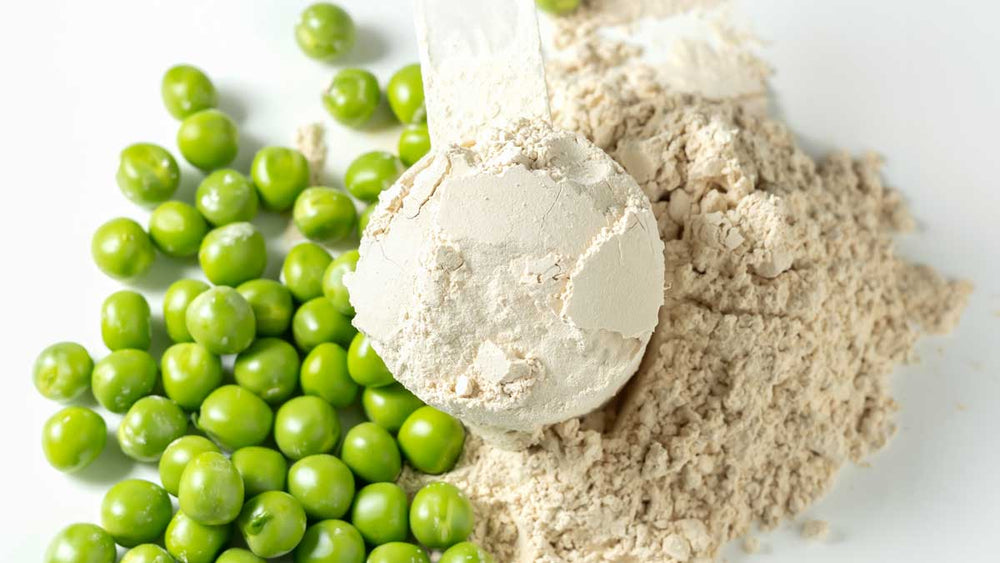
So, how does lead get into protein powders? According to the Consumer Reports analysis, the highest levels of lead were found in plant-based protein powders, particularly those containing pea protein. Why plants? As plants grow, they absorb both nutrients that help them develop and contaminants such as heavy metals like lead from the surrounding soil. Further, isolating protein from plant sources requires several mechanized steps, each of which presents an opportunity for lead to be introduced into the product. Among plants, pea protein is likely the primary source, simply because it is more popular than other plant proteins. The end result: plant protein supplements tend to have much higher lead levels than dairy-based supplements (such as casein and whey).
Safety Standards and Regulatory Gaps
FDA Regulation: Dietary Supplements vs. Food Products
Dietary supplements, such as protein powders, are governed by relaxed standards in the United States. Supplements are regulated under the 1994 Dietary Health and Safety Act. Under this law, dietary supplements are presumed safe unless otherwise found to be unsafe, meaning that any regulation of a product occurs only after a documented incident involving its use triggers an investigation. Further, there is no federal regulation specifying a permissible level of lead in supplements. While not a law, the FDA has announced an interim reference level of 8.8 μg/day for adults (2.2 μg/day for children). For perspective, average daily lead intake is estimated at 5.3 μg/day
California's Prop 65: The Role of Warning Labels and Exposure Limits
One US state, California, has led the way in curbing lead exposure in the US population with a 1986 law called Prop 65. Prop 65 required companies to warn consumers if their products or processes could expose people to chemicals (including lead) that could cause cancer, reproductive, or developmental harm. Companies responded to pressure to place warning labels on their products by changing their manufacturing processes to reduce the presence of those chemicals. Blood samples collected from both Californians and non-Californians since the passage of Prop 65 have shown reduced levels of pollutants named in the law, including lead levels, which decreased significantly from 1999 to 2016, indicating that regulation can be an effective tool for changing industry practices.
Identifying Safer Protein Powder Options
Plant-Based vs. Animal-Based Powders: Analyzing Risk Profiles
So what is a consumer to do? One obvious step is to limit protein powder intake, particularly those based on plant proteins. The Consumer Reports guide provided a handy reference for how many servings of the analyzed supplement brands could be consumed without exceeding the lead exposure limits. If amenable, choose dairy-based over plant-based proteins. Focusing on meeting your protein requirements with more whole foods over protein supplements is also a good step.
Prioritizing Third-Party Testing and Certifications
Supplement makers have responded to consumer concerns. Some supplement makers publish their own testing data, making the lead levels in their products available to the public. Others flagged by Consumer Reports for high lead levels have responded by modifying their protein sources and manufacturing processes to reduce lead levels.
Strategies for Reducing Overall Dietary Heavy Metal Exposure
Heavy metal is a fun music genre, but a terrible component for your diet. In addition to lead, mercury, arsenic, and cadmium, we can also ingest other potential toxins. All of these enter our food supply through soil uptake, processing, and environmental pollution. Reducing our exposure to heavy metals is a worthy goal for maintaining health and can be achieved with minimal effort. Practical steps to avoid excessive heavy metal exposure include:
- Washing produce, including rice, before cooking/consuming
- Using and regularly changing air filters in your living space
- Using reverse osmosis water filters for drinking water
- Consuming a varied diet, including adequate calcium and iron, which can offset lead and cadmium absorption
- Consuming seafood from smaller, less long-lived species (i.e., sardines over tuna)
- Frequently vacuuming and ventilating your work and living space
- Avoid wearing your shoes in your home to prevent tracking in contaminants
FAQs
Should I stop using protein powder because of concerns about lead?
Not necessarily. While some protein powders have been found to contain higher levels of lead and other heavy metals, the amount can vary significantly between brands and protein sources. If you use protein powder regularly, consider choosing products that undergo third-party testing and prioritize meeting most of your protein needs through whole foods whenever possible.
Why do plant-based protein powders often contain more lead than whey protein powders?
Plants naturally absorb minerals and contaminants from the soil as they grow. Because many plant-based protein powders are highly concentrated extracts, small amounts of heavy metals present in the original crops can become concentrated as well. This is one reason why some pea protein products have shown higher lead levels than dairy-based proteins such as whey or casein.
How can I choose a safer protein supplement?
Look for companies that provide transparent third-party testing results or certifications for purity and quality. Products that undergo independent testing may offer additional reassurance about contaminants such as lead, cadmium, arsenic, and mercury. Reading labels and researching manufacturers can help you make a more informed decision.
Are protein powders the only source of heavy metal exposure in the diet?
No. Heavy metals can enter the food supply through soil, water, environmental pollution, and food processing. Foods such as rice, seafood, vegetables, and grains may naturally contain small amounts of heavy metals. The goal is not to eliminate exposure entirely—which is nearly impossible—but to minimize unnecessary exposure through a varied diet and informed food choices.
Can nutrition help reduce the absorption of lead and other heavy metals?
Research suggests that adequate intake of certain nutrients, particularly calcium and iron, may help reduce lead absorption in the body. Eating a balanced diet rich in fruits, vegetables, whole grains, and nutrient-dense foods may support overall health while helping to reduce the impact of environmental contaminants.
References
1Martineu, P. (2025). Protein Powders and Shakes Contain High Levels of Lead. Consumer Reports. Oct 14, 2025. https://www.consumerreports.org/lead/protein-powders-and-shakes-contain-high-levels-of-lead-a4206364640/
2Sanborn, M. D., Abelsohn, A., Campbell, M., & Weir, E. (2002). Identifying and managing adverse environmental health effects: 3. Lead exposure. CMAJ : Canadian Medical Association journal = journal de l'Association medicale canadienne, 166(10), 1287–1292. https://pubmed.ncbi.nlm.nih.gov/12041847/
3Talayero MJ, Robbins CR, Smith ER, Santos-Burgoa C. The association between lead exposure and crime: A systematic review. PLOS Glob Public Health. 2023 Aug 1;3(8):e0002177. https://doi:10.1371/journal.pgph.0002177
4Angrand, R. C., Collins, G., Landrigan, P. J., & Thomas, V. M. (2022). Relation of blood lead levels and lead in gasoline: an updated systematic review. Environmental health : a global access science source, 21(1), 138. https://doi.org/10.1186/s12940-022-00936-x
5FDA. (2025, January 6). Closer to zero: Reducing childhood exposure to contaminants from foods. U.S. Food and Drug Administration. https://www.fda.gov/food/environmental-contaminants-food/closer-zero-reducing-childhood-exposure-contaminants-foods
6Nicole W. (2024). A Wide Reach: California's Prop 65 and Reduced Chemical Exposures Across the United States. Environmental health perspectives, 132(12), 124003. https://doi.org/10.1289/EHP16435
7Knox, K. E., Schwarzman, M. R., Rudel, R. A., Polsky, C., & Dodson, R. E. (2024). Trends in NHANES Biomonitored Exposures in California and the United States following Enactment of California's Proposition 65. Environmental health perspectives, 132(10), 107007. https://doi.org/10.1289/EHP13956











 Recipes
 Products

Comments
Join The Conversation...