


Vegan Sweeteners Explained: Plant-Based Sugar Alternatives Without Bone Char
Did you know that the manufacturing processes for some refined sugars involve an animal byproduct called bone char? For plant-based eaters, this is not-so-sweet news. Luckily, we have your back with some vegan alternatives.
Why Choose Vegan Sweeteners? Understanding Ethical and Health Motivations
Let’s rewind for a second. Sugar itself is sourced from plants. However, to achieve that bright, snowy-white color, manufacturers use an ingredient called bone char. Bone char, as the name suggests, is derived from the bones of cattle. Bone char is typically not directly disclosed on a product label, or it may be referred to as “natural carbon”. In addition to its use in white sugar manufacturing, it is also used in producing brown sugar and confectioner’s sugar. For vegans avoiding animal products for ethical concerns around the treatment of animals, this may be problematic.
Another drawback of these more traditional methods of sweetening foods is that they tend to have a higher glycemic index. White, confectioner’s, and brown sugar are recommended in limited amounts for individuals with insulin resistance or diabetes mellitus. This means many people are seeking a better alternative. That brings us to our plant-based options, which include both liquid and dry sweeteners.
Popular Liquid Vegan Sweeteners and Their Best Uses
Maple Syrup: Flavor, Baking, and Grade Differences
Maple syrup has four primary grades: golden, amber, dark, and very dark. Golden and amber are the lightest in taste, flavor, and color. As the grades intensify, the maple flavor becomes more pronounced, especially when baking. For sweetness without the maple, choose the lighter options. To keep the flavor, opt for the dark or very dark grades.
Agave Nectar Flavor Profile and Sweetness Intensity
Agave nectar is a low-glycemic sweetener for those who are blood sugar-conscious, yet it is 1.4 times sweeter than white sugar. It has a neutral flavor and a thin consistency. This makes it the ideal choice when all you want to add is sweetness.
Molasses or Date Syrup: Deep Flavor and Viscosity
For a slightly thicker option than agave nectar, choose date syrup. It has a caramel flavor, with hints of molasses. However, it is not quite as sweet as agave nectar.
Molasses, on the other hand, is even less sweet and more robust in flavor. In fact, in some cases, it can even be smoky or bitter-tasting. Molasses is a syrup made from boiling either sugarcane or beet juice during sugar refining. As a result, you will need to ensure that the refining process is conducted without bone char. Check the label to say “vegan” or choose a raw or unrefined molasses instead.
Dry and Calorie-Free Vegan Sweetener Alternatives
Crystalline Sweeteners (e.g., Coconut Sugar, Erythritol)
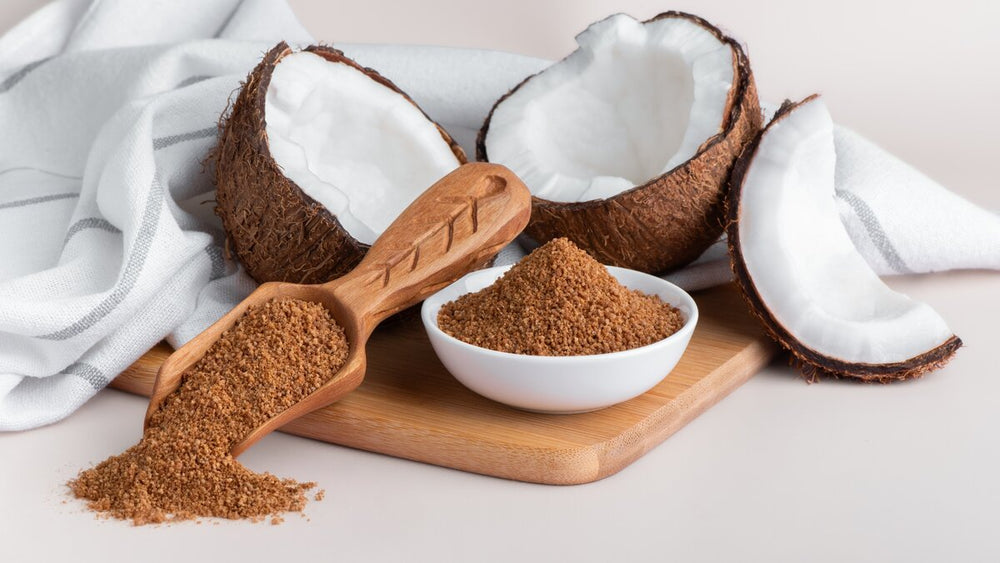
Coconut sugar and beet sugar are two white sugar alternatives that are created without bone char. Beet sugar is produced by extracting the juice from beets and then purifying and heating the beets to create the sugar. Coconut sugar hails from the nectar of coconut palms, not the coconuts themselves. That means that you can enjoy coconut sugar even if you don’t typically enjoy the taste or flavor of coconut.
Sugar alcohols such as erythritol and allulose are plant-based, calorie-free, and low on the glycemic index. While not made from whole foods or natural sources, they may be a good option for some vegan eaters.
High-Intensity Zero-Calorie Options (e.g., Stevia, Monk Fruit)
Stevia is a zero-calorie sweetener derived from the leaves of the plant Stevia rebaudiana. It is 1.2-1.4x sweeter than white sugar.Monk fruit is derived from a plant and has zero calories; however, it provides only 1-1.25x the sweetness of sugar. They are available in liquid or crystalline form and offer a more natural alternative to sugar alcohols.
When experimenting with sugar alternatives, health considerations, taste preferences, and personal convictions all come into play. I encourage you to experiment with your options until you find one or more sweeteners that fit your diet and lifestyle. You don’t even have to be vegan to enjoy the sweeter side of plant-based eating!
FAQs
Why isn't all sugar considered vegan?
Sugar itself comes from plants such as sugarcane and sugar beets. However, some cane sugar manufacturers use bone char, a filtration material made from cattle bones, during the refining process to achieve a bright white color. While bone char is not present in the final product, many vegans choose to avoid sugars processed using this method.
How can I tell if a sweetener is vegan?
Unfortunately, bone char processing is not typically listed on ingredient labels. Looking for products labeled "vegan," choosing organic cane sugar, or selecting sweeteners such as beet sugar, maple syrup, coconut sugar, date syrup, stevia, or monk fruit can help ensure your sweetener aligns with a vegan lifestyle.
Are vegan sweeteners healthier than regular sugar?
Not necessarily. Some vegan sweeteners, such as maple syrup and date syrup, contain small amounts of vitamins, minerals, or antioxidants, but they still contribute calories and added sugars. The healthiest choice depends on your individual goals, dietary needs, and overall eating pattern.
Which vegan sweeteners may have less impact on blood sugar levels?
Sweeteners such as stevia, monk fruit, erythritol, allulose, and agave nectar generally have a lower glycemic impact than traditional table sugar. However, individual responses can vary, and people with diabetes or insulin resistance should discuss sweetener choices with their healthcare provider or registered dietitian.
Is organic sugar vegan?
Organic cane sugar is generally considered vegan because organic certification standards prohibit the use of bone char during processing. For many plant-based eaters, organic sugar is a simple alternative when a recipe calls for traditional granulated sugar.
What is the best vegan sweetener for baking?
The best option depends on the recipe. Maple syrup works well in muffins and quick breads, coconut sugar can often replace brown sugar, date syrup adds moisture and richness, and stevia or monk fruit may work in lower-sugar recipes. Experimenting with different sweeteners can help you find the flavor and texture that best suits your needs.











 Recipes
 Products

Comments
Join The Conversation...