



Understanding the Link Between GERD and Atrial Fibrillation
Have atrial fibrillation or acid reflux? Have you noticed symptoms of the other condition after eating? GERD and atrial fibrillation can share surprising connections. Learn more about this relationship—what to do about it.
What Is GERD and What Is Atrial Fibrillation?
This is a case of separate, but sometimes related conditions. You might already be familiar with the term "reflux" (or "acid reflux"). It occurs when acidic contents of the stomach move back up into the esophagus (the tube that carries food and drink from your mouth to your stomach). The acidic liquid often causes a burning sensation in your chest or throat, hence the nickname "heartburn," but there can be other symptoms, too. When reflux happens two or more times a week over a period of weeks, you may have gastroesophageal reflux. Often referred to by its acronym, GERD is one of the most common digestive-related diseases.
Lots of people don't realize that atrial fibrillation is a serious condition that can increase your risk of stroke and other heart conditions. Atrial fibrillation (often referred to as "AFib") is the most common type of heart arrhythmia, or irregular heartbeat. AFib occurs when the heart's upper chambers don't coordinate with the lower chambers, leading to heartbeats that may be too fast, too slow, or irregular. Some people notice this odd or "fluttering" heartbeat because it's the most obvious symptom. Others may not have any symptoms.
Lots of people don't realize that atrial fibrillation is a serious condition that can increase your risk of stroke and other heart conditions. Atrial fibrillation (often referred to as "AFib") is the most common type of heart arrhythmia, or irregular heartbeat. AFib occurs when the heart's upper chambers don't coordinate with the lower chambers, leading to heartbeats that may be too fast, too slow, or irregular. Some people notice this odd or "fluttering" heartbeat because it's the most obvious symptom. Others may not have any symptoms.
Overlapping Symptoms of GERD and AFib
And some symptoms of AFib and GERD are shared between a variety of conditions, which can lead people to think it's something else—or cause them to dismiss their symptoms as "not serious". (For more information on reflux and its relationships with other heart conditions, check out this post and this one, too.) Examples of vague and overlapping symptoms of GERD and AFib may include:
- general chest discomfort
- "heart pain"
- heart palpitations
- shortness of breath
- lightheadedness
- throat irritation or heartburn
- symptoms that occur after eating or at night
Keep in mind that any type of pain in or around the chest area should always be evaluated by a medical professional.
Can GERD Trigger AFib?
Observational studies have linked GERD and AFib, but the exact reasons the link exists aren't firmly established. What's more, the studies don't all agree on a strong link. However, the most recent studies are utilizing higher-level analysis techniques than were available when researchers first began studying this topic. A 2024 study utilized genetic analyses to help figure out if GERD triggers AFib or whether it's the other way around. The findings revealed that GERD aggravates AFib. And in fact, they found that having GERD increased the risk of developing AFib by 34%. On the flip side, there was no indication that AFib impacted GERD. Still, more research is needed before this relationship can be confirmed and fully understood.
Possible Physical Mechanisms Linking GERD and AFib
While the reasons for the link are still under investigation, there are a number of possible mechanisms that link GERD and AFib together physically, including:
Low Voltage Zones - Anatomical proximity may be involved in several causal mechanisms, including this one. The close proximity of the esophagus to the left atrium of the heart has led to the belief that reflux may increase the presence of "low voltage zones" (LVZ) in this region of the heart. These zones are independent predictors of AFib in some patients. A 2024 study found that subjects with GERD were more than twice as likely to have LVZs in the left atrium.
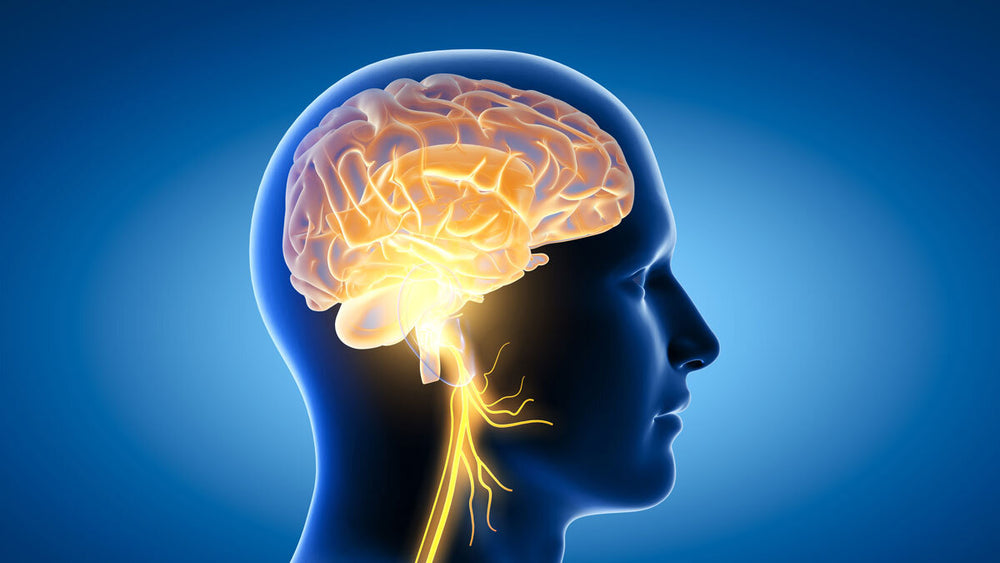
Acid Reflux May Stimulate the Vagus Nerve - Research indicates that the vagus nerve can be stimulated by acid reflux, and esophageal injury from reflux may also irritate the nerve. The vagus nerve is involved in regulating how food moves through your digestive system and connects the gut, brain, and heart. When the vagus nerve becomes dysregulated, it can affect gastric acid production, ultimately leading to reflux or GERD.
Inflammation of the Esophagus - Esophagitis, or inflammation of the esophagus, is another potential prompt for AFib. Esophagitis may be caused by repeated acid exposure, resulting in an inflamed esophagus that hurts and can lead to long-term damage. Observational studies link esophagitis with increased risk for AFib and maintenance of arrhythmias. The inflammatory process can also affect the nearby heart, causing inflammation of the heart wall, called myocarditis.Some studies have found a high level of myocarditis in patients who have AFib but no structural heart disease.
Acid Reflux May Stimulate the Vagus Nerve - Research indicates that the vagus nerve can be stimulated by acid reflux, and esophageal injury from reflux may also irritate the nerve. The vagus nerve is involved in regulating how food moves through your digestive system and connects the gut, brain, and heart. When the vagus nerve becomes dysregulated, it can affect gastric acid production, ultimately leading to reflux or GERD.
Inflammation of the Esophagus - Esophagitis, or inflammation of the esophagus, is another potential prompt for AFib. Esophagitis may be caused by repeated acid exposure, resulting in an inflamed esophagus that hurts and can lead to long-term damage. Observational studies link esophagitis with increased risk for AFib and maintenance of arrhythmias. The inflammatory process can also affect the nearby heart, causing inflammation of the heart wall, called myocarditis.Some studies have found a high level of myocarditis in patients who have AFib but no structural heart disease.
Eating Habits Related to GERD and AFib
Some eating habits may be potentially triggering both for AFib as well as reflux and GERD. In addition, lifestyle-related conditions such as being overweight, having type 2 diabetes, or having high blood pressure can make both AFib and GERD worse. Here are a few specific food and drink findings that link both conditions to modifiable eating habits:
Consuming Alcohol - Several randomized clinical trials show that decreasing alcohol consumption also decreases AFib episodes. The association is especially found among men and beer drinkers, and appears to be dose-dependent (the more alcohol consumed, the more AFib is noted). Alcohol can be a reflux trigger since it may relax the lower esophageal sphincter, allowing acidic liquid to come back up.
Eating a Large Meal - It's common for people to notice AFib after eating a large meal. This may be due to increased pressure on the stomach that pushes upward toward the heart, which in turn may cause the heart to pump harder to do its job of circulating blood. Large meals are also a trigger for reflux, which may trigger AFib, as discussed above.
Reclining After Eating - While it isn't a specific food or drink, lying down or reclining after eating allows reflux liquid to more easily return to the esophagus and potentially contribute to AFib as well. When we are digesting food after eating, blood flow can be temporarily redistributed more toward the digestive system and away from the rest of the body. Reclining or lying down also contributes to blood redistribution, which means the heart may need to pump harder to keep up circulation, thereby triggering AFib in some people. Lastly, noticing your heart fluttering or thumping wildly when you're trying to sleep can be scary! Experiencing AFib at night may be associated with other sleep disturbances. For example, sleep apnea, which itself can be related to reflux, may affect as many as 40-80% of people with heart conditions, including atrial fibrillation.
Consuming Alcohol - Several randomized clinical trials show that decreasing alcohol consumption also decreases AFib episodes. The association is especially found among men and beer drinkers, and appears to be dose-dependent (the more alcohol consumed, the more AFib is noted). Alcohol can be a reflux trigger since it may relax the lower esophageal sphincter, allowing acidic liquid to come back up.
Eating a Large Meal - It's common for people to notice AFib after eating a large meal. This may be due to increased pressure on the stomach that pushes upward toward the heart, which in turn may cause the heart to pump harder to do its job of circulating blood. Large meals are also a trigger for reflux, which may trigger AFib, as discussed above.
Reclining After Eating - While it isn't a specific food or drink, lying down or reclining after eating allows reflux liquid to more easily return to the esophagus and potentially contribute to AFib as well. When we are digesting food after eating, blood flow can be temporarily redistributed more toward the digestive system and away from the rest of the body. Reclining or lying down also contributes to blood redistribution, which means the heart may need to pump harder to keep up circulation, thereby triggering AFib in some people. Lastly, noticing your heart fluttering or thumping wildly when you're trying to sleep can be scary! Experiencing AFib at night may be associated with other sleep disturbances. For example, sleep apnea, which itself can be related to reflux, may affect as many as 40-80% of people with heart conditions, including atrial fibrillation.
Managing GERD to Help Reduce Potential Heart Rhythm Triggers
If you or your physician determines that your atrial fibrillation is related to reflux or GERD, it makes sense to reduce your reflux episodes.
- Modify Your Eating Habits: Avoid your specific reflux trigger foods, eat smaller meals, reduce or skip alcohol completely, and avoid getting overfull.
- Modify Your Behavior After Meals: Stay upright after meals and allow at least two hours (more may be better) between your last meal and bedtime, and consider raising the head of your bed for sleep.
- Take Your GERD Medication: The use of proton-pump inhibitors for GERD may be beneficial for reducing the recurrence of AFib after ablation treatment, but this has been shown only in a few smaller studies.
- Follow Your GERD and AFib Medical Treatment Plans: See your health care team regularly and keep your doctor informed about any changes in your symptoms of either GERD or AFib. Straying from your care plan can be dangerous or, at the very least, make your symptoms worse.
FAQs
Can acid reflux cause atrial fibrillation?
Current research suggests that GERD may increase the risk of atrial fibrillation in some individuals, although researchers are still working to fully understand the relationship. Inflammation, irritation of the vagus nerve, and the close anatomical relationship between the esophagus and the heart are possible explanations. While GERD does not directly cause AFib in everyone, managing reflux may help reduce potential triggers in some people.
Can acid reflux feel like a heart problem?
Yes. Acid reflux can cause chest discomfort, chest pain, throat irritation, and even sensations that resemble heart palpitations. However, because heart attacks and heart rhythm disorders can produce similar symptoms, any new, severe, or unexplained chest pain should be evaluated immediately by a healthcare professional.
What lifestyle changes may help both GERD and atrial fibrillation?
Several healthy habits may benefit both conditions, including eating smaller meals, avoiding lying down for at least 2 to 3 hours after eating, limiting alcohol intake, maintaining a healthy weight, managing stress, and following your prescribed treatment plan. Identifying and avoiding personal reflux triggers may also help reduce symptoms.
Does treating GERD improve atrial fibrillation?
Some small studies suggest that treating GERD—particularly with lifestyle changes and, in certain cases, proton pump inhibitors (PPIs)—may reduce AFib symptoms or recurrence in some people. However, more research is needed, and GERD treatment should not replace standard atrial fibrillation management recommended by your healthcare provider.
References
1MedlinePlus. Bethesda (MD). Updated Nov 24, 2025. GERD. Retrieved from https://medlineplus.gov/gerd.html
2National Institute of Diabetes and Digestive and Kidney Diseases. (n.d.). *Acid reflux (GER & GERD) in adults: Definition & facts*. Retrieved from https://www.niddk.nih.gov/health-information/digestive-diseases/acid-reflux-ger-gerd-adults/definition-facts#commongerd
3American Heart Association. (n.d.). *What is Atrial Fibrillation (AFib or AF)*. Retrieved from https://www.heart.org/en/health-topics/atrial-fibrillation/what-is-atrial-fibrillation-afib-or-af
4Chen, X., Li, A., Kuang, Y., & Ma, Q. (2024). Gastroesophageal reflux disease and atrial fibrillation: a bidirectional Mendelian randomization study. International journal of medical sciences, 21(7), 1321–1328. https://doi.org/10.7150/ijms.95518
5Paul Nordin, A., Charitakis, E., Carnlöf, C., Åkerström, F., & Drca, N. (2024). Symptoms of gastroesophageal reflux disease predicts low voltage zones in the posteroinferior left atrium in patients with persistent atrial fibrillation. Heart rhythm O2, 5(6), 351–356.
6American Heart Association. (n.d.). *Myocarditis*. Retrieved from https://www.heart.org/en/health-topics/myocarditis
7Oxford University Press. (n.d.). *2952312*. *Europace, 19*(1), 16. Retrieved from https://academic.oup.com/europace/article/19/1/16/2952312?login=false
8Oxford University Press. (n.d.). 7759482. *European Heart Journal, 45*(40). https://academic.oup.com/eurheartj/article/45/40/4259/7759482?login=false
9Yeghiazarians, Y., Jneid, H., Tietjens, J. R., Redline, S., Brown, D. L., El-Sherif, N., Mehra, R., Bozkurt, B., Ndumele, C. E., & Somers, V. K. (2021). *Obstructive sleep apnea and cardiovascular disease: A scientific statement from the American Heart Association*. American Heart Association. https://www.ahajournals.org/doi/10.1161/CIR.0000000000000988
10Chen X, Li A, Kuang Y, Ma Q. Gastroesophageal reflux disease and atrial fibrillation: a bidirectional Mendelian randomization study. Int J Med Sci. 2024 May 13;21(7):1321-1328. doi: 10.7150/ijms.95518. PMID: 38818473; PMCID: PMC11134582.
















 Recipes
 Products

Comments
Join The Conversation...