


Big Flavor, No Heavy Sauces: Easy Cooking Tips for a Happier Gut
Hot take: bland food is wrong.
There’s nothing worse than taking time to perfect the juiciness of your chicken, the crisp texture of your potatoes, or the tenderness of your vegetables—only to cover it all up with a heavy sauce because something feels like it’s missing.
The good news? Flavor doesn’t have to come from heavy, creamy, or high-fat additions. In fact, building flavor strategically can make meals more enjoyable and more comfortable for those managing digestive concerns like IBS or GERD.
Taste vs. Flavor: Why It Matters
Before we dive in, let’s quickly break this down. We experience several core “tastes” through taste buds on the tongue:
- Bitter
- Sweet
- Salty
- Acidic
- Umami
And then there are additional sensations often described as:
- Spicy
- Fat
When these elements combine, they create flavor—which is what makes food interesting and satisfying.
Flavor Fact #1: The “heat” from spicy foods isn’t technically a taste—it’s a pain response triggered by receptors in the mouth.
Flavor Without Heavy Sauces
Flavor is essential—but relying on heavy sauces can sometimes lead to:
- Higher fat intake (a common GERD trigger)
- Heavier meals that feel harder to digest
- Overpowering of natural ingredients
Instead, try building flavor using:
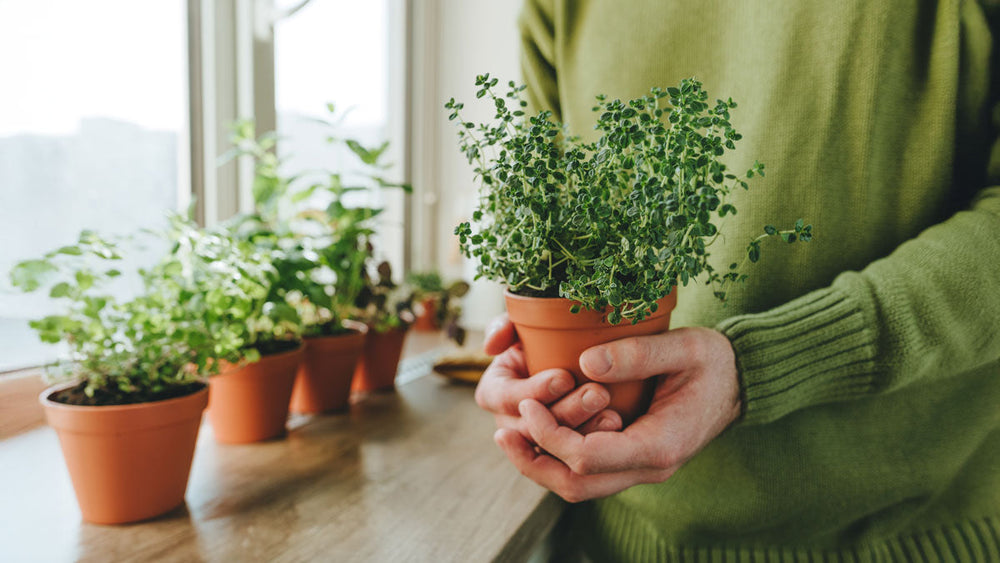
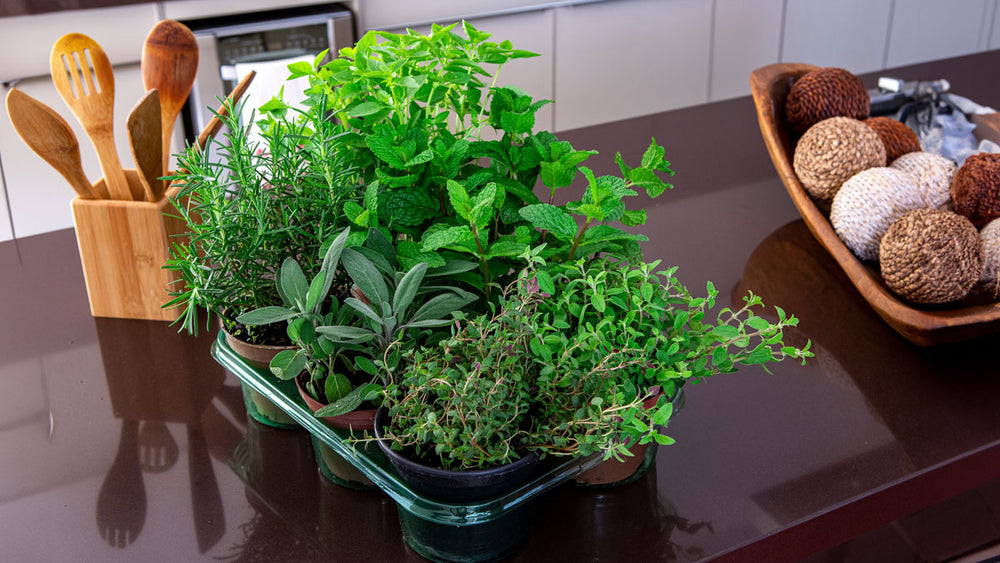
- Herbs and spices
- Citrus and vinegars
- Cooking techniques
- Texture and aromatics
Herbs and Spices: Small but Powerful
Herbs and spices are some of the easiest ways to elevate a dish without adding heaviness.
- Parsley
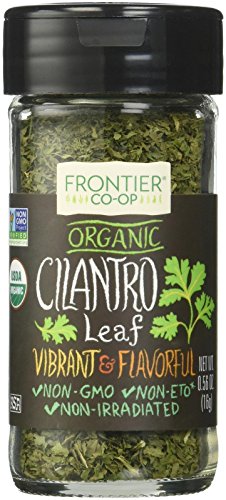
- Cilantro
- Cumin
- Ginger
- Black pepper (optional for GERD)
- Oregano
- Dill
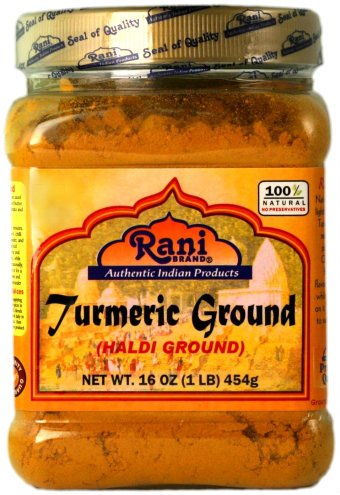
- Turmeric
Starting simple and gradually experimenting helps build confidence and flavor intuition.
Flavor Fact #2: For some people, cilantro tastes like soap due to a genetic variation in the OR6A2 gene.
👉 GERD/IBS note:
- Spices like ginger and turmeric are often well-tolerated
- Spicy or pepper-heavy blends may trigger symptoms in some individuals
Brightness from Citrus and Vinegars
Citrus and vinegars can add brightness and depth to dishes without relying on heavy ingredients.
- Zest (the peel) adds concentrated flavor without much acidity
- Juice adds freshness and balance
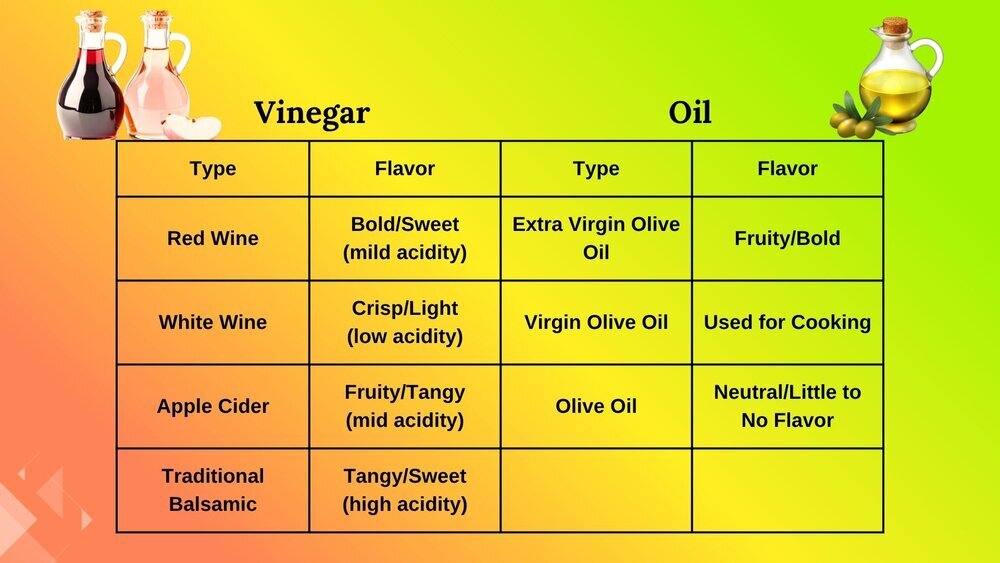
Oils and vinegars also pair well together, typically at:
- 2:1 or 3:1 ratio (oil to vinegar)
Flavor Fact #3: Citrus-infused oils paired with lighter vinegars can create a fresh, balanced flavor profile.
👉 GERD note:
Citrus and acidic vinegars can trigger reflux in some individuals—zest or milder vinegars may be better tolerated.
Citrus and acidic vinegars can trigger reflux in some individuals—zest or milder vinegars may be better tolerated.
Let Cooking Techniques Do the Work
Sometimes the biggest flavor upgrade doesn’t come from ingredients—it comes from how you cook.
Roasting
Roasting enhances natural sweetness and creates browning through the Maillard reaction, improving both flavor and texture.
Grilling
Sautéing
👉 GERD-friendly tip:
Opt for moderate heat and lighter oils to avoid overly greasy or charred foods, which may trigger symptoms.
Opt for moderate heat and lighter oils to avoid overly greasy or charred foods, which may trigger symptoms.
Texture and the Full Sensory Experience
Flavor isn’t just about taste—it’s about the full sensory experience.
Texture plays a major role in how we perceive food:
- Crunchy foods feel satisfying and engaging
- Chewy textures add interest and variety
- Even sound (like crunch) enhances enjoyment
Our preferences are often shaped by culture, familiarity, and personal tolerance.
Flavor Fact #4: Some foods, like jellyfish, are valued more for texture than taste—and can even support environmental sustainability.
Final Thoughts
There are countless ways to build flavor without relying on heavy sauces.
By focusing on:
- Herbs and spices
- Balanced acidity
- Smart cooking techniques
- Texture and variety
—you can create meals that are both delicious and easier on digestion.
And if you’re managing IBS or GERD, you can create meals that are flavorful, satisfying, and, for many people, easier to digest while minimizing common trigger ingredients.
FAQs
Can herbs and spices make food flavorful without heavy sauces?
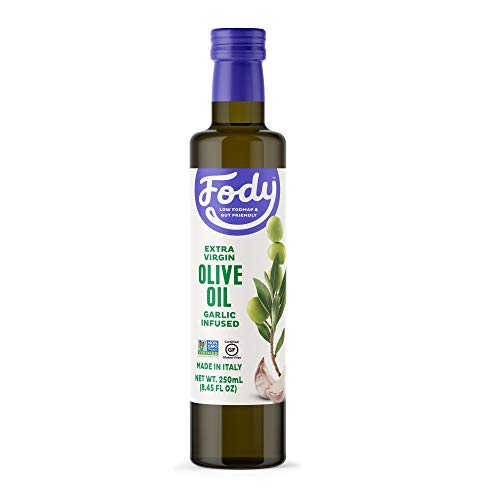
Yes. Fresh herbs, dried spices, citrus zest, garlic-infused oils (when appropriate), and cooking techniques like roasting or sautéing can add plenty of flavor without relying on heavy cream- or butter-based sauces.
How can these cooking techniques help support gut health?
Building flavor with herbs, spices, roasting, grilling, and sautéing allows you to create satisfying meals without adding excessive fat or rich sauces that may trigger digestive symptoms in some people with GERD. Individual tolerance varies, so experimenting with different seasonings can help you find what works best for you.
Are citrus and vinegar safe if I have GERD?
It depends. Citrus juice and vinegar can trigger reflux symptoms in some people, while others tolerate small amounts well. Using citrus zest or milder vinegars may provide flavor with less acidity, but it's important to pay attention to your own symptom patterns.
Why does texture make food taste better?
Texture is an important part of the eating experience. Crunchy, creamy, chewy, and crisp foods all stimulate different sensory pathways, making meals feel more satisfying even when they're prepared with simple, wholesome ingredients.
References
1Ethica. (2026). Meet the seven flavours. https://ethicarestaurant.nl/en/recepten/maak-kennis-met-de-zeven-smaken/
2Big Horn Olive Oil. (2025). How to pair olive oil and vinegar for any dish. https://bhooc.com/blogs/articles/how-to-pair-olive-oil-and-vinegar-for-any-dish
3Cowens-Gasbarro, S. (2026). Roasting: How heat transforms flavor. Healthy School Recipes. https://healthyschoolrecipes.com/roasting-heat-transforms-flavor/
4Napoleon. (2026). The science of BBQ: Why grilled food tastes so good. https://www.napoleon.com/en/us/grills/blog/science-bbq-why-does-grilled-food-taste-good
5Our Blood Institute. (2024). Does cilantro taste like soap to you? https://ourbloodinstitute.org/blood-matters/cilantro-tastes-like-soap/
6U.S. Department of Veterans Affairs. (2015). Sautéing adds flavor without extra calories or fat. https://news.va.gov/21928/american-heroes-cafe-sauteing-adds-great-flavor-without-extra-calories-fat/
7Morgan, E. (2021). Why loud food tastes better, and other reasons texture matters. Epicurious. https://www.epicurious.com/expert-advice/why-loud-food-tastes-better-texture-matters-article
8Out of Milk. (2026). Spice rack essentials checklist. https://outofmilk.com/ideas/spice-rack-grocery-list-template/
9Snyder, C. (2026). Tips, tools, and techniques for using citrus. Heinen’s. https://www.heinens.com/stories/tips-tools-and-techniques-for-using-citrus/













 Recipes
 Products
Comments
Join The Conversation...