


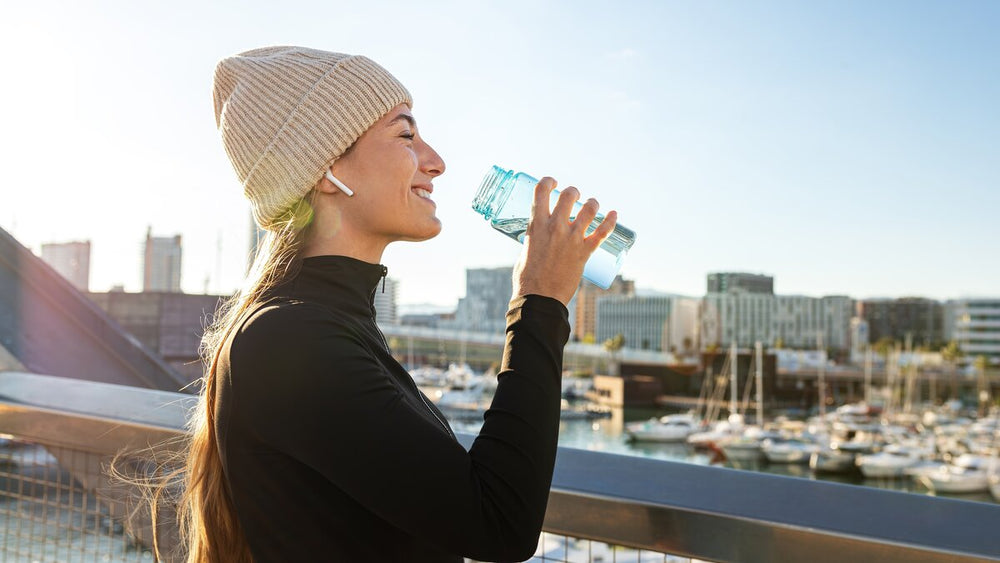
As you know, winter is the antithesis of summer. It’s colder, wetter, and commonly associated with indoor activities. One thing ties these two seasons together: your body’s need for hydration.
Come along, Foodguides fam, as we take the polar plunge into winter hydration. Don’t worry, there’s plenty of hydration help along the way!
Hydration: What Is It and Why Is It Important?
Hydration refers to the process of supplying your body with the fluids it needs to function properly. Staying hydrated supports important bodily processes, including circulation, temperature regulation, and digestion. Adequate fluid intake also helps keep stools soft and can be especially helpful for people who experience constipation. Without enough fluids, your body may not function as efficiently (and we don’t need that during the busiest time of year!).
Why Hydration Can Be Harder During the Winter
While summer makes our hydration needs blatantly obvious through sweat, winter likes to play a cold trick on our thirst alarms. Research suggests that exposure to cold temperatures may reduce the sensation of thirst, even when the body still needs fluids. This can make it easier to overlook hydration during winter activities.
In a winter wonderland, your body works to maintain its core temperature by narrowing blood vessels near the skin and redirecting blood toward vital organs. Cold temperatures can also increase urine production, a response sometimes called cold-induced diuresis. These changes, combined with fluid loss through breathing dry air and spending time in heated indoor environments, can make staying hydrated more challenging during the winter.
Hydration Help #1 — You can still become dehydrated in cold weather, even when you aren't sweating as noticeably as you would in the summer.
Can Drinking Too Much at Once Worsen Digestive Symptoms?
Yes, drinking a large amount of fluid in a short period may cause uncomfortable fullness, nausea, or bloating for some people. If you have GERD or IBS, you may find that sipping fluids throughout the day feels more comfortable than consuming a large volume at once.
Drinking excessive amounts of water over a short period can also lead to a more serious condition called water intoxication, which occurs when water intake exceeds the body's ability to eliminate it and causes sodium levels in the blood to become dangerously low. Symptoms may include headache, nausea, vomiting, confusion, and, in severe cases, seizures. Fortunately, this is uncommon during ordinary hydration and is more likely in situations involving extreme fluid intake or certain medical conditions.
Hydration Help #2 — More water isn't always better! Aim for consistent hydration throughout the day rather than forcing yourself to drink large quantities at once.
Hydration Tips, Tricks, and Recipes
Don’t worry, Foodguides fam, we’ve got some excellent hydration tips, tricks, and recipes to keep you well this winter!
Winter Hydration Tips for People With GERD
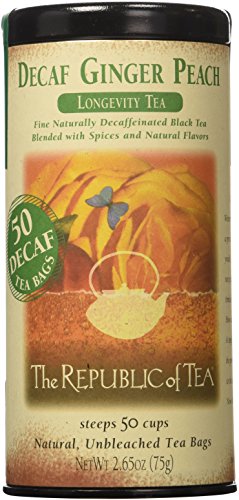
If you have GERD, you'll want to select beverages that keep you hydrated without aggravating your heartburn symptoms. Plain water is an easy go-to, but if you're looking for something with a little more flavor, consider noncarbonated beverages such as caffeine-free herbal tea or milk alternatives that you personally tolerate. Some people may also enjoy coconut water or a warm ginger infusion.
Keep in mind that beverage triggers vary from person to person. Peppermint, caffeinated drinks, citrus-flavored beverages, and certain other drinks may aggravate symptoms for some people, but you don't need to eliminate them unless they cause problems for you. Even the amount you drink at one time may affect your comfort.
Winter Hydration Tips for People With IBS
If you have IBS, choose beverages that fit your individual digestive needs. Plain water is always a convenient choice, but you can also add flavor with small amounts of fruit or herbs if they're well tolerated. Caffeine-free teas and appropriate milk alternatives may offer some variety, too.
For people following a Low FODMAP diet, ingredients and serving sizes matter. Some beverages contain high-FODMAP fruit juices, honey, or sweeteners such as sorbitol and mannitol that may contribute to symptoms in certain individuals. Remember, not everyone with IBS needs to follow a Low FODMAP diet, and beverage choices should reflect personal tolerance.
Drinks That May Be Gentler on Digestion
Here are some Foodguides recipes to try if you're looking to stay hydrated during your winter woods frolic!
- Dairy-Free Cinnamon Dolce Latte by Jessie Hulsey
- Creamy GERD-Friendly Sweet Potato Smoothie by Lauren Mardeusz
- Low FODMAP Smoothie Recipe with Papaya and Banana by Taylor Janulewicz
These recipes can add variety to your winter beverage routine, although individual ingredients and serving sizes may need adjusting based on your symptoms.
Common Beverage Triggers to Consider
If you have GERD or IBS, it's helpful to pay attention to beverages that may trigger your symptoms. For some people with GERD, carbonated beverages, coffee, alcohol, or acidic drinks may be troublesome.People with IBS may notice symptoms after beverages containing certain high-FODMAP ingredients, sugar alcohols, or large amounts of caffeine. That doesn't mean everyone needs to avoid these drinks. Instead, track what you drink and how you feel afterward.
Always read the labels on packaged drinks and juices, especially if you're following a medically recommended dietary approach. Choosing beverages that you enjoy and tolerate can make hydration easier to maintain throughout the winter.
Hydration Help #3 — Urine color can offer a quick clue about hydration. Pale yellow urine generally suggests adequate hydration, while darker urine may indicate a need for more fluids. Keep in mind that medications, supplements, and medical conditions can also affect urine color.
FAQs
Do Coffee and Tea Count Toward Hydration?
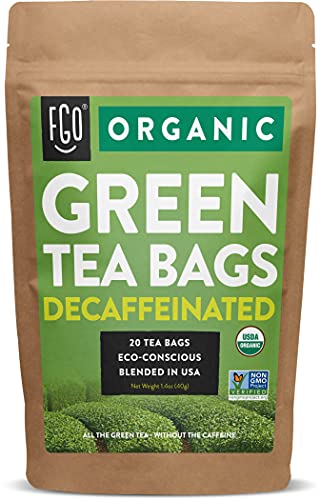
Yes! Coffee and tea contribute to your daily fluid intake, even with caffeine. Although caffeine can have a mild diuretic effect, moderate amounts of caffeinated beverages generally still contribute to hydration. If caffeine aggravates your GERD or IBS symptoms, consider decaffeinated or caffeine-free alternatives instead (Maughan & Griffin, 2003).
Are There Any Hydrating Foods?
Absolutely! Many fruits and vegetables contain substantial amounts of water and can help contribute to your overall fluid intake. Some tasty options include cucumbers, watermelon, lettuce, celery, tomatoes, zucchini, bell peppers, and strawberries. If you have GERD or IBS, choose foods and portions that work best for your individual symptoms.
How Can I Build a Personalized Winter Hydration Routine?
The best way to build a personalized hydration routine is to pay attention to your body's needs. Fluid requirements vary depending on your activity level, environment, diet, medications, and health conditions. Thirst, urine color, and how you're feeling throughout the day can offer useful clues, although none is a perfect measure of hydration.
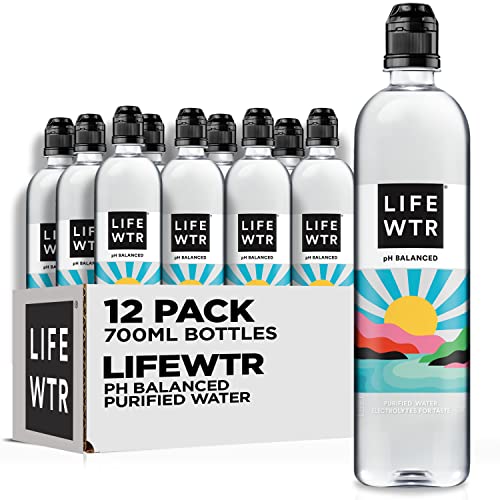
Keep a water bottle nearby and drink regularly throughout the day. If plain water isn't your favorite, experiment with beverages or fruit infusions you enjoy. You may also find it helpful to pair drinking water with everyday activities, such as meals, work breaks, or getting ready for a winter walk.
What Are Some Signs That I May Need Medical Care?
Dehydration can become serious, particularly when fluid losses are significant or a person cannot replace fluids adequately. Seek medical advice if you experience persistent dizziness, very little urination, worsening weakness, or difficulty keeping fluids down. Severe confusion, fainting, seizures, or other signs of a medical emergency require immediate attention.
The Bottom Line on Winter Hydration With GERD or IBS
Hydration is just as important during the winter as a warm coat, fuzzy socks, and earmuffs! If you have GERD or IBS, plenty of beverage and food options can help keep you hydrated while respecting your individual digestive needs. If you're planning to challenge Jack Frost to a snowball fight this winter, remember to bring your water bottle!
References
1Gedon, T. (2024). Winter hydration is important for good health. Oklahoma State University Extension. https://extension.okstate.edu/articles/2024/winter_hydration
2American Heart Association. (2019, December 19). Are you drinking enough water during winter months? https://www.heart.org/en/news/2019/12/19/are-you-drinking-enough-water-during-winter-months
3Verbalis, J. G., Goldsmith, S. R., Greenberg, A., Korzelius, C., Schrier, R. W., Sterns, R. H., & Thompson, C. J. (2013). Diagnosis, evaluation, and treatment of hyponatremia: Expert panel recommendations. The American Journal of Medicine, 126(10 Suppl. 1), S1–S42. https://doi.org/10.1016/j.amjmed.2013.07.006
4Katz, P. O., Dunbar, K. B., Schnoll-Sussman, F. H., Greer, K. B., Yadlapati, R., & Spechler, S. J. (2022). ACG clinical guideline: Diagnosis and management of gastroesophageal reflux disease. The American Journal of Gastroenterology, 117(1), 27–56. https://doi.org/10.14309/ajg.0000000000001538
5Chey, W. D., Hashash, J. G., Manning, L., & Chang, L. (2022). AGA clinical practice update on the role of diet in irritable bowel syndrome: Expert review. Gastroenterology, 162(6), 1737–1745.e5. https://doi.org/10.1053/j.gastro.2021.12.248
6American Academy of Family Physicians. (2026, June 19). Hydration: Why it's so important. FamilyDoctor.org. https://familydoctor.org/hydration-why-its-so-important/
7Maughan, R. J., & Griffin, J. (2003). Caffeine ingestion and fluid balance: A review. Journal of Human Nutrition and Dietetics, 16(6), 411–420. https://doi.org/10.1046/j.1365-277X.2003.00477.x
8UCLA Health. (2022). 15 foods that can help you stay hydrated. https://www.uclahealth.org/news/article/15-food-that-help-you-stay-hydrated











 Recipes
 Products
Comments
Join The Conversation...