


Servings: 1Prep: 5 minsCook: 1 minsTotal: 6 mins
Creamy GERD-Friendly Sweet Potato Smoothie
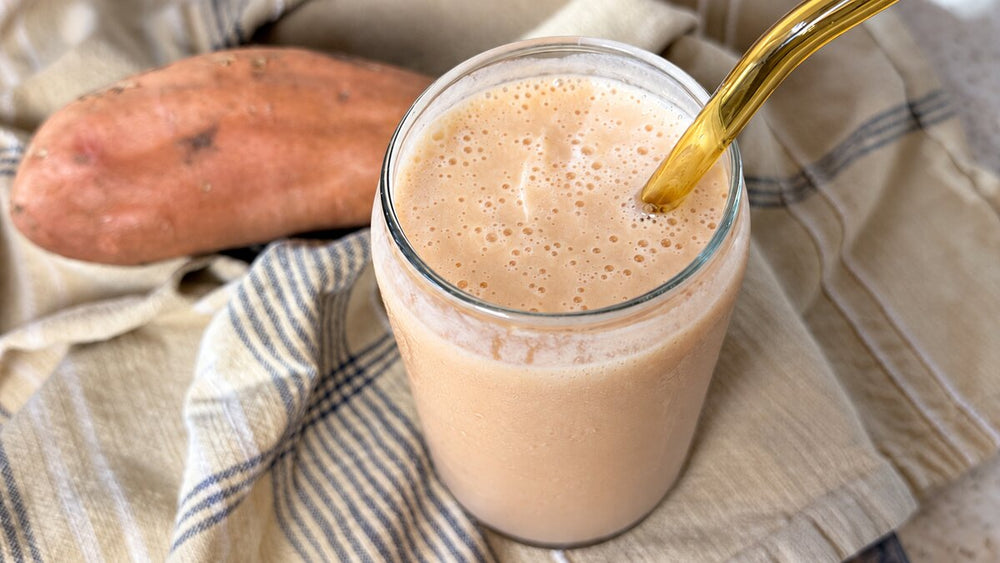
If you love the cozy flavors of fall but want a breakfast that skips several commonly reported reflux triggers, this creamy GERD-friendly sweet potato smoothie is worth adding to your rotation.
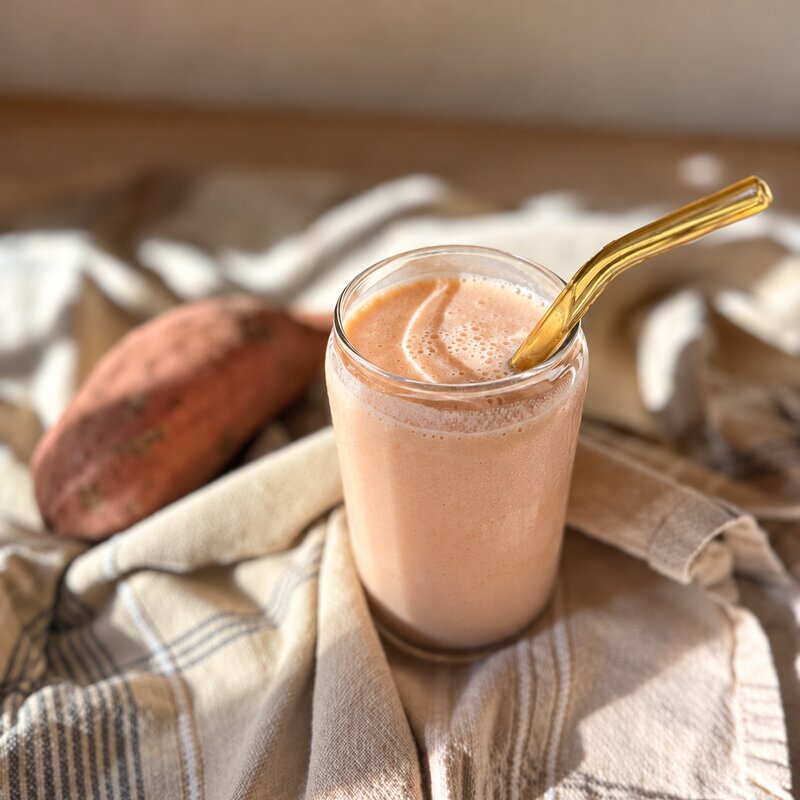
Made with cooked sweet potato, unsweetened almond milk, plain nonfat Greek yogurt, a touch of maple syrup, and optional cinnamon, this smoothie has a naturally sweet, creamy texture that feels more like a sweet potato pie-inspired shake than a traditional fruit smoothie. It is also an easy way to use leftover baked or steamed sweet potato. Adjust the sweetness, thickness, and optional spices to suit your taste.
Why You'll Love This Sweet Potato Smoothie
It gets its creaminess from sweet potato. Cooked sweet potato adds body and natural sweetness without needing heavy cream, ice cream, or coconut cream.
It has a cozy fall flavor. Maple syrup and optional cinnamon give this smoothie a sweet potato pie-inspired flavor without relying on chocolate, coffee, mint, citrus, or spicy ingredients.
It is an easy way to use leftover sweet potato. If you already have a baked or steamed sweet potato in the refrigerator, you are only a few minutes away from breakfast.
It is easy to customize. Use more or less milk depending on how thick you like your smoothie, adjust the maple syrup to taste, or leave out the cinnamon if spices tend to bother you.
It can be made with a smaller portion in mind. If a large smoothie feels uncomfortable, consider starting with a smaller serving rather than automatically eliminating smoothies altogether.
Is Sweet Potato Good for GERD?
There is no single list of foods that works for everyone with GERD. Certain foods and drinks are commonly associated with worsening symptoms, including acidic foods, alcohol, chocolate, coffee and other sources of caffeine, high-fat foods, mint, and spicy foods. However, individual triggers can vary.
Sweet potato can be a useful ingredient in a reflux-conscious recipe because it provides natural sweetness and a thick, creamy texture while allowing you to skip several commonly reported triggers.
A 100-gram serving of baked sweet potato provides carbohydrates, about 3 grams of fiber, and vitamin A. Using a lower-fat milk alternative and nonfat Greek yogurt keeps the recipe relatively light in fat compared with smoothies made with heavy cream, full-fat dairy, or coconut cream.
Most importantly, pay attention to your own symptoms. A food that bothers one person with GERD may be perfectly comfortable for another.
GERD-Friendly Sweet Potato Smoothie Ingredients
Cooked sweet potato
Use roughly ½ cup when mashed. Baked sweet potato works especially well because it has a concentrated, naturally sweet flavor, but steamed sweet potato can also be used.
Let the sweet potato cool before blending. Refrigerated sweet potato works well, and you can use frozen cooked sweet potato if you want a colder, thicker smoothie.
Unsweetened almond milk
Use ¾ cup unsweetened almond milk as the starting point. The liquid helps loosen the thick sweet potato while keeping the smoothie creamy.
Be sure to check the label if you are using a different brand or variety. Nutrition information can vary among products.
Plain nonfat Greek yogurt
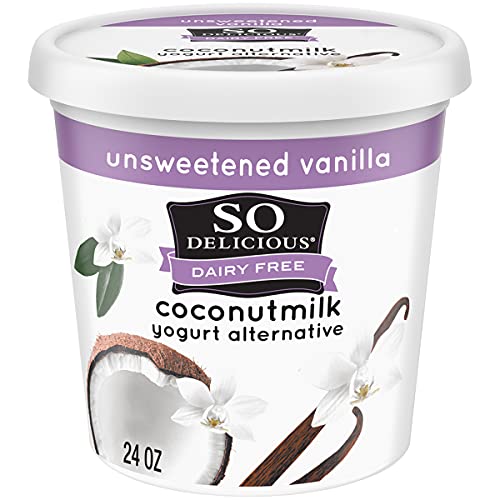
Add ½ cup plain nonfat Greek yogurt for creaminess and protein without adding much fat. If dairy doesn't work for you, leave it out or use a dairy-free yogurt you already know you tolerate.
Pure maple syrup
A tablespoon of maple syrup adds sweetness and reinforces the fall-inspired flavor. You can use less or leave it out if your sweet potato is particularly sweet.
Cinnamon, optional
A small pinch of cinnamon can give the smoothie more of a sweet potato pie flavor. However, spices are highly individual when it comes to reflux. If cinnamon seems to trigger your symptoms, leave it out.
How to Make a Sweet Potato Smoothie
- Prepare the sweet potato. Use a cooked, cooled sweet potato with the skin removed. Measure about 100 grams of the cooked flesh.
- Add the liquid first. Pour the almond milk into the blender. Adding the liquid first helps the blender get moving before the thicker ingredients are added.
- Add the remaining ingredients. Add the cooked sweet potato, Greek yogurt, maple syrup, and optional cinnamon.
- Blend until completely smooth. Start on a lower speed and gradually increase. Blend until the sweet potato is fully incorporated and the smoothie is creamy.
- Adjust the consistency. If the smoothie is too thick, add another tablespoon or two of almond milk and blend again. If it is thinner than you prefer, add a little more cooked sweet potato.
- Taste and adjust. Add more maple syrup if needed. If you are sensitive to very cold beverages, let the smoothie sit for a few minutes before drinking rather than adding extra ice.
Recipe Testing Notes
The amount of liquid makes a noticeable difference in this recipe. ¾ cup of milk is a good starting point for 100 grams of cooked sweet potato, but you may need slightly more or less depending on how moist the sweet potato is and whether it was baked or steamed.
Baked sweet potato tends to produce a more concentrated, naturally sweet flavor, while steamed sweet potato can create a slightly softer texture. Both work.
For the smoothest result, use sweet potato that has been cooked until completely tender. Refrigerated sweet potato is convenient and blends well; frozen sweet potato creates a thicker, colder smoothie.
Tips for Making This Smoothie More GERD-Friendly
Start with a smaller serving. A large smoothie can be a substantial volume of food and liquid. If you tend to notice reflux after large meals or drinks, try half the recipe first and see how you feel.
Keep the fat modest if high-fat foods bother you. This recipe uses unsweetened almond milk and nonfat Greek yogurt instead of heavy cream, full-fat dairy, or coconut cream. If you use different ingredients, check the nutrition label because fat content can vary substantially.
Skip individual triggers. This recipe does not include several commonly reported triggers, including citrus, chocolate, coffee, mint, and spicy ingredients. However, you do not need to avoid a food simply because it appears on a general GERD trigger list if you personally tolerate it.
Consider temperature. Some people prefer very cold smoothies, while others find that extremely cold or icy drinks are uncomfortable. Try the smoothie chilled but without ice if that works better for you.
Watch the timing. If you experience nighttime reflux, eating at least three hours before lying down or going to bed may improve symptoms.
Keep a symptom pattern in mind. Rather than eliminating a long list of foods at once, pay attention to what you eat, how much you eat, and when symptoms occur. That can make it easier to identify your personal patterns.
Ingredient Substitutions and Variations
Make it dairy-free
Leave out the Greek yogurt and add a little extra almond milk as needed. You can also try a plain dairy-free yogurt that you know you tolerate.
(Because removing the Greek yogurt changes the protein content and consistency, you may need slightly less milk to keep the smoothie thick.)
Use oat milk
Unsweetened oat milk can be substituted for almond milk. It will generally make the smoothie a little creamier and add more carbohydrates than unsweetened almond milk.
Use frozen sweet potato
Cook sweet potato ahead of time, cut it into cubes, and freeze it in individual portions. Add the frozen pieces directly to the blender for a thicker smoothie without needing ice.
How to Store Sweet Potato Smoothies
For the best texture and flavor, drink the smoothie shortly after blending.
If you need to make it ahead, refrigerate it in an airtight container and give it a good shake or stir before drinking. The smoothie may thicken as it sits because of the sweet potato and Greek yogurt, so add a splash of almond milk if needed.
What to Serve With a Sweet Potato Smoothie
This smoothie can work on its own as a smaller breakfast or snack, but you can also pair it with another food if you need a more substantial meal.
Try it with:
- A slice of whole-grain toast with a topping you know you tolerate
- An egg or another simple protein source
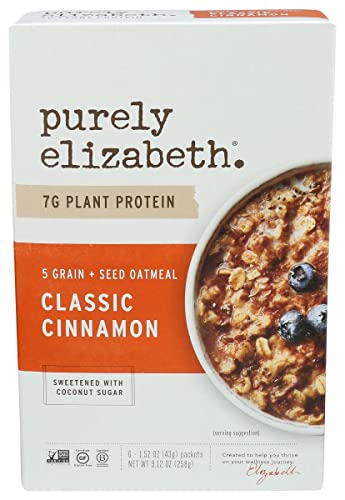
- Oatmeal made with your preferred milk
- A small serving of nuts or seeds if you tolerate higher-fat foods well
- A simple breakfast sandwich without ingredients that typically trigger your symptoms
If larger meals tend to worsen your reflux, keep the smoothie portion modest and pair it with a smaller serving of food rather than creating one very large breakfast.
FAQs
Are smoothies good for GERD?
It depends on the individual smoothie and the person drinking it. Smoothies can contain common reflux triggers such as citrus, chocolate, or high-fat ingredients. They can also be quite large in volume.
This smoothie avoids several commonly reported triggers, but that does not mean it will be comfortable for everyone with GERD. Consider your individual tolerance and portion size.
Can I drink this smoothie if I have acid reflux?
You can try it if the ingredients are foods you typically tolerate. This acid-reflux-friendly smoothie is designed without several commonly reported triggers, but there is no guarantee that any particular recipe will prevent or relieve symptoms. Start with a portion that feels comfortable for you and adjust ingredients based on your own symptom patterns.
Is this smoothie safe to drink every day with GERD?
There is nothing inherently problematic about including the ingredients in this smoothie regularly if you tolerate them and they fit your overall eating pattern. However, a recipe should not be used as a substitute for medical treatment or individualized dietary advice.
If reflux symptoms are frequent, worsening, or difficult to manage, talk with a healthcare professional.
Should I use baked or steamed sweet potato?
Either works. Baked sweet potato tends to have a more concentrated flavor and slightly thicker consistency, while steamed sweet potato can be softer and moister.
For this smoothie, choose whichever preparation is most convenient. Leftover cooked sweet potato works especially well.
Can I use frozen sweet potato?
Yes. Frozen cooked sweet potato can make the smoothie thicker and colder. If you are sensitive to very cold drinks, use refrigerated sweet potato instead or allow the blended smoothie to sit for a few minutes before drinking.
Can I add banana?
You can if you tolerate banana. However, adding ingredients simply because they are considered "GERD-friendly" is not necessary. Your own tolerance is more useful than a universal list of safe foods.
When is the best time to drink a smoothie if I have nighttime reflux?
If you experience nighttime reflux, try eating at least three hours before lying down or going to bed, which may help reduce symptoms.
Does sweet potato help heartburn?
Sweet potato should not be considered a treatment for heartburn or GERD. It can provide natural sweetness, carbohydrates, fiber, and vitamin A while helping create a creamy smoothie without relying on heavy cream or other high-fat ingredients.
GERD symptoms and food triggers vary from person to person, so focus on your individual response rather than assuming a particular food will relieve symptoms.
Can I make this smoothie without Greek yogurt?
Yes. Omit the yogurt and add almond milk gradually until you reach your preferred consistency. Keep in mind that the smoothie will be less creamy and contain less protein.
A Note About GERD and Food Triggers
GERD triggers and portion tolerance differ from person to person. This recipe avoids several commonly reported triggers, but it may not be appropriate for everyone. Dietary changes can be one part of managing GERD, but they should complement, rather than replace, recommended medical treatment.
If reflux symptoms are frequent, worsening, or difficult to manage, speak with a healthcare professional.
Creamy GERD-Friendly Sweet Potato Smoothie
This creamy sweet potato smoothie is an easy way to use leftover cooked sweet potato. Banana, cinnamon, and a touch of maple syrup make it naturally sweet, while Greek yogurt adds extra protein and creaminess.
Servings: 1 Prep: 5 minsCook: 1 minsTotal: 6 minsDifficulty: Easy
AmericanBreakfastDessertBeverageAppetizersGERD-friendly
Ingredients
1 cup sweet potato, cooked and cooled
3/4 cup 2% or dairy free milk
1/2 small banana
1/4 cup plain Greek yogurt (or dairy free)
1 teaspoon maple syrup
1 teaspoon cinnamon (optional)
1 teaspoon vanilla extract
Ice, as needed
Instructions
1
Add the cooked, cooled sweet potato, milk, banana, Greek yogurt, maple syrup, cinnamon, and vanilla to a blender.
2
Blend until completely smooth and creamy. Add a splash of milk if needed to reach your desired consistency.
3
Add ice and blend again if desired.
4
Serve immediately.
Nutrition Facts
Per serving
Calories
280
280
Fat
5.0g
5.0g
Carbs
45.0g
45.0g
Protein
14.0g
14.0g
Fiber
5.0g
5.0g
Sodium
125.0mg
125.0mg
Sugars
24.0g
24.0g
Sat. Fat
2.5g
2.5g
Notes
Start with ¾ cup milk and add more only if needed.
Use low-fat or nonfat Greek yogurt if higher-fat dairy tends to trigger reflux.
Keep the maple syrup to 1 teaspoon.
Cinnamon is fine for many people, but, you could make it optional.
Avoid drinking a large smoothie right before lying down.









 Articles
 Products
Comments
Join The Conversation...