Servings: 1Prep: 5 minsCook: 10 minsTotal: 15 mins
If you want a savory breakfast that's quick, satisfying, and protein-packed, this GERD-friendly cottage cheese omelet is a great way to start your morning! Made with fluffy eggs, creamy cottage cheese, sautéed mushrooms, spinach, and fresh chives, it's a simple breakfast that comes together in under 15 minutes.
I love finding easy ways to add protein to breakfast, and cottage cheese is a great ingredient to keep on hand. It adds creaminess and protein without needing much extra cheese. Plus, fresh vegetables and herbs give this omelet plenty of flavor without relying on spicy seasonings, garlic, onion, or heavy sauces.
This savory cottage cheese omelet is made with ingredients that may be well tolerated by people managing acid reflux. However, GERD triggers vary for everyone, so feel free to adjust ingredients and portions based on what works best for you.
Description of Ingredients and Why They Work
One of my favorite things about this recipe is that it uses just a handful of ingredients, many of which you may already have in your refrigerator.
Eggs and egg whites: Eggs provide structure for the omelet and high-quality protein. This recipe uses 3 eggs. You can use 3 whole eggs or 1 whole egg and 2 egg whites to keep the omelet fluffy while moderating the fat content. If you tolerate whole eggs well, you can absolutely use those instead!
Low-fat cottage cheese: Cottage cheese is the star of this recipe! It adds creamy texture and an extra protein boost. I recommend 1% or 2% cottage cheese to keep overall fat moderate, since higher-fat meals can worsen reflux symptoms for some people. Small-curd cottage cheese works especially well because it distributes more evenly throughout the filling. If your cottage cheese has a lot of liquid, drain off the excess before adding it to your omelet. Cottage cheese can also be relatively high in sodium, so compare labels if you're watching your sodium intake.
Mushrooms: Sautéed mushrooms add a delicious savory flavor and a little extra texture. Cooking them before adding them to the omelet helps release excess moisture and keeps the filling from becoming watery.
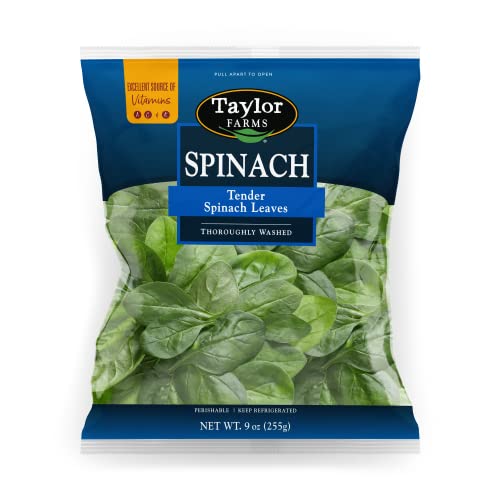
Spinach: Fresh spinach adds color, fiber, and nutrients, including folate and vitamin K. It also cooks down quickly, making it an easy vegetable to incorporate into breakfast.
Fresh chives: Chives add a mild, onion-like flavor without needing large amounts of onion or garlic, which can trigger reflux for some people. They're a simple way to add freshness to this reflux-friendly egg recipe.
Olive oil: A small amount of olive oil helps prevent sticking and adds flavor without making the omelet overly rich.
Substitutions and Variations
This is one of those recipes that's easy to customize based on what you have available and which foods you tolerate best.
-
Switch up the eggs. Use two whole eggs for a richer omelet, or try all egg whites if you're looking to further reduce the fat content.
-
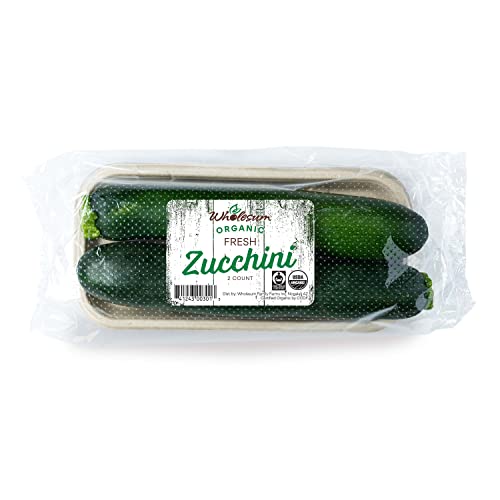
Try different vegetables. Finely diced zucchini, cooked bell peppers, or additional spinach are all great options. Just be sure to cook vegetables that release a lot of moisture before adding them to the eggs.
-
Experiment with fresh herbs. Parsley, basil, dill, and thyme are all delicious alternatives to chives.
-
Make it lactose-free. If you're lactose intolerant, try lactose-free cottage cheese.
-
Make it dairy-free. Skip the cottage cheese and add a little extra sautéed spinach and mushrooms. You can also try a small amount of a dairy-free cheese alternative that you tolerate, although the protein content and texture will change.
-
Add your favorite seasonings. A pinch of black pepper or dried herbs can add flavor if tolerated. You can also serve the omelet with your favorite toppings, such as tomatoes or salsa, if those foods don't trigger your symptoms.
Remember, eggs, dairy, garlic, and onions aren't universal GERD triggers. The goal is to build meals around your individual tolerance rather than unnecessarily eliminating foods you enjoy.
Tips and Serving Ideas
Making an omelet is pretty simple, but a few small tricks can make a big difference in the final texture!
Cook your vegetables first. Mushrooms and spinach both release moisture as they cook. Sautéing them before adding them to the omelet helps keep the filling from getting watery.
Keep the heat moderate. Cooking your eggs over medium-low heat allows them to set gently without becoming rubbery or browning too quickly.
Use a good nonstick skillet. An 8-inch nonstick skillet is ideal for this single-serving recipe. It makes folding the omelet easier and helps limit the amount of oil needed.
Don't overfill your omelet. It can be tempting to pile on the cottage cheese and vegetables, but too much filling makes the omelet difficult to fold. Stick with the suggested amounts for the best results.
Let the eggs set before folding. Once the eggs are mostly cooked, add your filling to one half and gently fold the other half over the top. Covering the skillet for another minute or two helps warm the cottage cheese and finish cooking the eggs.
What to Serve With Your Cottage Cheese Omelet
This high-protein GERD breakfast is delicious on its own, but you can also pair it with a few simple sides to round out your meal.
Try serving it with:
- A slice of whole wheat toast
- Fresh fruit like berries or sliced banana
- A small serving of oatmeal
- Roasted or steamed potatoes with mild herbs
When planning an acid reflux breakfast, remember that what you eat is only part of the picture. Meal size, eating pace, and timing can also affect reflux symptoms.
Try eating slowly, choosing a comfortable portion, and avoiding lying down for 2 to 3 hours after eating, especially if reclining worsens your symptoms.
FAQs
Is cottage cheese good for acid reflux?
Cottage cheese can be a great source of protein for people managing acid reflux, especially when choosing a lower-fat variety. Higher-fat meals can worsen acid reflux symptoms for some individuals, so using 1% or 2% cottage cheese may be a helpful option. However, cottage cheese isn't guaranteed to be reflux-friendly for everyone, and individual tolerance differs.
Can eggs trigger GERD symptoms?
Eggs aren't a universal GERD trigger, but some people may find that higher-fat egg preparations worsen their symptoms. Using a combination of whole eggs and egg whites is one way to enjoy the flavor and nutrients of eggs while keeping the overall fat content moderate. How the eggs are prepared and what you serve alongside them may also make a difference.
What vegetables are best for a GERD-friendly omelet?
Spinach, mushrooms, and zucchini are great choices for a GERD-friendly omelet because they add flavor, texture, and nutrients without relying on spicy or acidic ingredients. Cooked bell peppers may also work well for some people. Since vegetable tolerance varies, choose the options that work best for your individual symptoms.
How do I keep my cottage cheese omelet from getting watery?
The trick is to remove excess moisture before assembling the omelet. Cook mushrooms and spinach separately to release their water, and drain any excess liquid from your cottage cheese before adding it to the eggs. Small-curd cottage cheese can also help create a more evenly distributed, creamy filling.
Can I make this cottage cheese omelet ahead of time?
Yes! While omelets are best eaten fresh, you can prepare the vegetables ahead of time to make breakfast even quicker. Sauté the mushrooms and spinach, then store them in an airtight container in the refrigerator for up to three to four days. When you're ready to eat, simply whisk your eggs and assemble the omelet.
You can also refrigerate a fully cooked omelet and reheat it until it reaches 165°F, although the texture may be slightly softer and the cottage cheese may release some moisture.
A Simple, Protein-Rich Breakfast
Whether you're managing GERD or simply looking for a new way to enjoy eggs, this savory cottage cheese omelet is an easy breakfast to add to your rotation. With protein-rich eggs and cottage cheese, colorful vegetables, and fresh herbs, it's a satisfying meal that doesn't require a long ingredient list or much time in the kitchen.
And as with all GERD-friendly recipes, remember that everyone's triggers are different. Foods commonly associated with reflux include high-fat meals, spicy foods, acidic foods, chocolate, mint, and caffeinated beverages, but that doesn't mean everyone needs to avoid them. If you're experiencing frequent, persistent, worsening, or nighttime reflux symptoms, be sure to discuss them with your healthcare professional.















 Articles
 Products

Comments
Join The Conversation...