Servings: 6Prep: 15 minsCook: 30 minsTotal: 45 mins
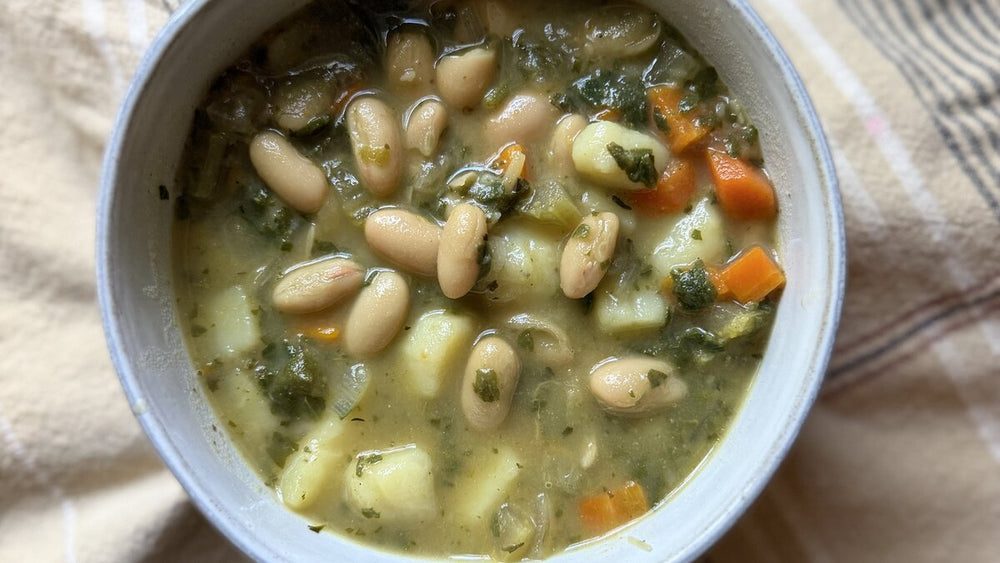
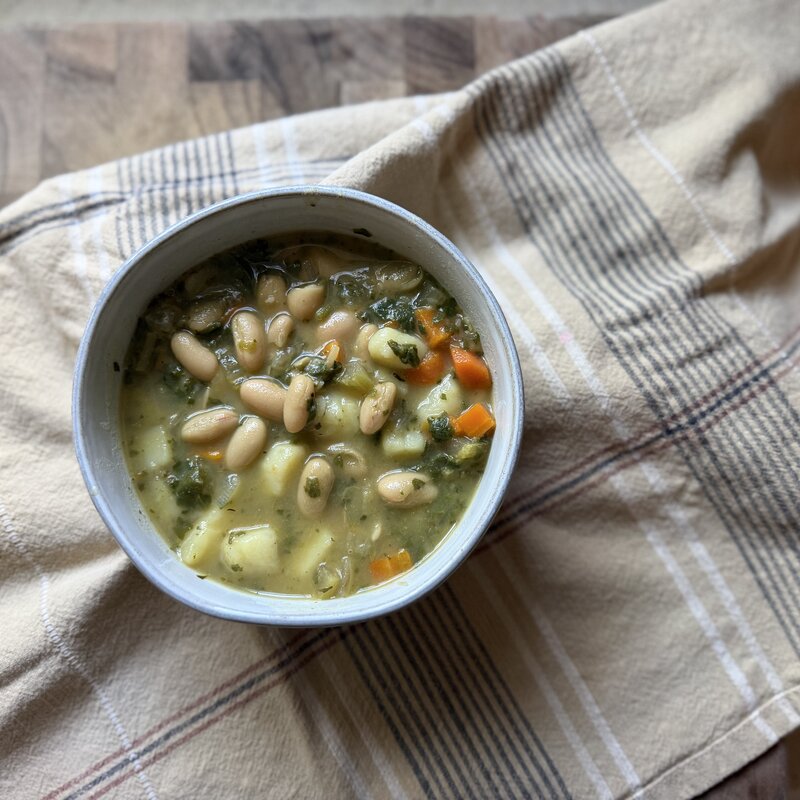
If you’re looking for a comforting GERD-friendly bean soup that doesn’t rely on tomatoes, hot peppers, or heavy cream for flavor, this mild bean soup is a simple option. Cannellini beans simmer with carrots, celery, potatoes, and herbs in a savory broth, creating a filling soup with plenty of plant-based protein and fiber.
While foods like tomatoes, spicy seasonings, and high-fat ingredients are commonly reported to worsen acid reflux, food triggers vary from person to person. This bean soup for acid reflux is designed without several common triggers, but that doesn’t mean every ingredient will be tolerated by everyone with GERD.
The soup can also be partially blended to create a creamy texture without adding heavy cream. Serve it as a light lunch or dinner with a piece of crusty bread, or pair it with a simple side salad or cooked vegetable.
GERD- Friendly Ingredients
Cannellini beans
Cannellini beans are the star of this tomato-free bean soup. They have a mild flavor and creamy texture that works especially well in soup. Beans also provide plant-based protein and fiber, which can help make a vegetable-based soup more satisfying.
This recipe uses canned cannellini beans for convenience. Drain and rinse them before adding them to the soup. Rinsing canned beans can remove some of the sodium from the liquid, although it won't eliminate all of the carbohydrates that can contribute to gas or bloating.
Carrots and celery
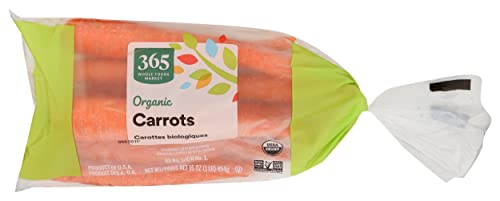
Carrots add natural sweetness and color, while celery contributes a savory flavor to the broth. Together, they create a flavorful vegetable base without needing a tomato-based broth or spicy seasoning.
Potatoes
Potatoes add body and make the soup more filling. Some of the potatoes and beans can also be mashed or blended directly into the soup to naturally thicken it.
Broth
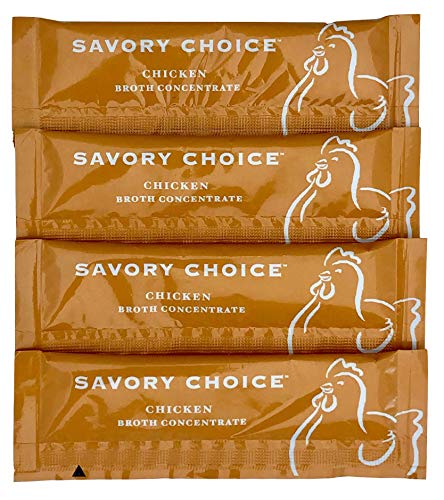
Use a low-sodium vegetable or chicken broth as the base. Check the ingredient label, especially if you're trying to avoid ingredients that personally trigger symptoms. Some packaged broths and seasoning mixes contain garlic, onion, tomato, or spicy ingredients.
Starting with low-sodium broth also gives you more control over the final flavor.
Herbs
Fresh or dried herbs are an easy way to add flavor to a mild soup. Thyme, rosemary, parsley, sage, and basil can all work well.
You don't need a lot of black pepper, chili flakes, or hot sauce to make a flavorful soup. That said, if you tolerate those ingredients well, you can adjust the seasoning according to your preferences.
Olive oil
A small amount of olive oil helps sauté the vegetables and adds flavor. Because higher-fat meals can worsen reflux symptoms for some people, keeping the amount moderate may be more comfortable than making a very rich soup.
Garlic and onion
Garlic and onion are intentionally optional. They are not universal GERD triggers, and some people with reflux tolerate them without a problem. If you know they bother you, simply leave them out.
Chives, green onion tops, fresh parsley, or additional herbs can provide flavor instead.
Optional chicken
For a higher-protein version, add cooked shredded chicken. This turns the soup into a more substantial meal while keeping the base relatively mild.
Substitutions and Variations
There are several ways to customize this mild bean soup recipe while keeping the basic flavor profile intact.
Try another bean
Great northern, navy, or cannellini beans can all work well. If using canned beans, drain and rinse them before adding them to the soup.
Add more vegetables
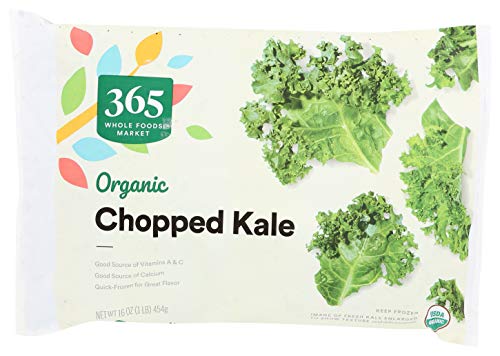
Zucchini, green beans, parsnips, spinach, or additional carrots and celery can be added depending on what you have available.
Make it vegetarian
Use vegetable broth and skip the chicken.
Add chicken
Stir cooked shredded chicken into the finished soup for additional protein.
Make it creamy
Blend about one-quarter to one-third of the soup with an immersion blender, then stir it back into the pot. The beans and potatoes create a creamy texture without requiring heavy cream.
Leave out garlic and onion
If these ingredients are personal reflux triggers, omit them and increase the herbs instead.
Use dried beans
Dried cannellini beans can be used instead of canned, but they require additional preparation. Soak and cook the beans separately until tender before adding them to the soup. Do not add dried beans directly to the finished soup unless the recipe has been specifically tested for that cooking method.
Tips and Serving Ideas
Rinse canned beans
Drain and rinse canned beans under cool running water before adding them to the soup. This can help reduce the sodium from the canning liquid.
If beans aren't a regular part of your diet, start with a smaller serving. Beans contain fermentable carbohydrates and fiber that can cause gas or bloating in some people. Those symptoms are different from acid reflux and don't necessarily mean that beans are a reflux trigger for you.
Build flavor gradually
A mild soup doesn't have to be bland. Sauté the vegetables until they begin to soften before adding the broth, then let the soup simmer long enough for the flavors to develop.
Fresh parsley added at the end can also brighten the finished soup.
Adjust the consistency
If the soup is too thick, add additional broth or water. If it's too thin, blend more of the beans and potatoes into the broth.
Partially blending the soup is preferable to adding a large amount of cream if you're looking for a lighter option.
Watch the sodium
Broth, canned beans, seasoning blends, and toppings can all contribute sodium. Using low-sodium broth and rinsing canned beans gives you more control over the final amount.
Taste the soup before adding additional salt.
Consider portion size and timing
Even foods that you generally tolerate can cause reflux symptoms if you eat a very large meal. If soup tends to feel heavy, try a smaller serving and see how you feel.
Meal timing may also matter. If nighttime reflux is an issue for you, leaving more time between your evening meal and lying down may be helpful.
Storing leftovers
Cool leftover soup promptly and transfer it to shallow containers before refrigerating. Store it in the refrigerator and reheat thoroughly before serving.
The soup can also be frozen in individual portions. Allow some room in the container for expansion, then thaw and reheat thoroughly when you're ready to eat it. You may need to add a splash of broth or water after reheating to restore the original consistency.
What to serve with bean soup
Keep the meal simple with a slice of crusty bread, whole-grain toast, or a mild cooked vegetable. If you're trying to identify personal reflux triggers, keeping the sides relatively simple can also make it easier to determine which foods are affecting your symptoms.
FAQs
Do beans cause acid reflux?
Beans don't universally cause acid reflux. They are a nutritious source of fiber and plant-based protein, but they can cause gas or bloating in some people because of their fermentable carbohydrates and fiber.
Gas and bloating are not the same thing as acid reflux. If beans consistently cause discomfort, try a smaller portion and gradually increase the amount as tolerated.
Why do beans cause gas?
Beans contain carbohydrates and fiber that are fermented by bacteria in the digestive tract. This fermentation can produce gas, particularly if you're not used to eating a lot of beans or other high-fiber foods.
Rinsing canned beans may remove some of the compounds in the canning liquid, but it won't eliminate all of the carbohydrates that can contribute to gas. Increasing fiber gradually and drinking adequate fluids based on your individual needs may help with digestive comfort.
Are canned or dried beans better for soup?
Both work well. Canned beans are the most convenient because they're already cooked. Simply drain and rinse them before adding them to the soup.
Dried beans can have a slightly different texture and flavor, but they require more preparation. Follow safe soaking and cooking instructions and make sure the beans are fully cooked and tender before adding them to the soup.
How can I thicken bean soup without cream?
Blend some of the beans and vegetables directly into the broth. An immersion blender makes this especially easy, but you can also transfer a portion of the soup to a blender and carefully blend it before returning it to the pot.
Potatoes can also help create a naturally thicker texture.
Can I freeze bean soup?
Yes. Bean soup generally freezes well. Cool the soup promptly, portion it into freezer-safe containers, and leave room for expansion. Thaw it in the refrigerator when possible and reheat thoroughly.
You may need to add a little broth or water after thawing because beans and potatoes can continue to absorb liquid as the soup sits.
A Note About GERD and Food Triggers
There isn't one universal GERD diet. Acidic foods, spicy foods, and high-fat meals are commonly reported reflux triggers, but individual tolerance varies. Ingredients such as tomatoes, onions, garlic, and beans shouldn't automatically be considered off-limits simply because you have GERD.
Pay attention to your own symptoms and consider keeping a food and symptom record if you're having trouble identifying patterns.
If reflux symptoms are persistent, frequent, worsening, or regularly waking you at night, talk with a healthcare professional rather than relying solely on dietary changes.











 Articles
 Products
Comments
Join The Conversation...