


When Eating Feels Hard: Gentle GERD- and IBS-Friendly Meals During Grief
When grief hits, it turns your whole world topsy-turvy. Grief can also turn your GI system topsy-turvy, especially if you already struggle with IBS or GERD. Being gentle on yourself, both emotionally and nutritionally, may bring soothing comfort to a difficult time.
How Grief Can Affect Appetite and Digestion
Our digestive system and mental health are linked by the gut-brain axis. Our central nervous system (the brain and spinal cord) and our enteric nervous system (located in the digestive system) communicate with one another. If our gut health is off, it may influence our mental health, and vice versa. When we experience times of stress, our gut may respond.
Experiences like nervous diarrhea, nausea, and loss of appetite are common GI symptoms that can be experienced during grief. This may occur even without a GERD or IBS diagnosis, but it can certainly make managing both conditions more challenging.
Experiences like nervous diarrhea, nausea, and loss of appetite are common GI symptoms that can be experienced during grief. This may occur even without a GERD or IBS diagnosis, but it can certainly make managing both conditions more challenging.
Tips for Supporting Digestion During Stressful Times
To limit discomfort, keep these five strategies in mind:
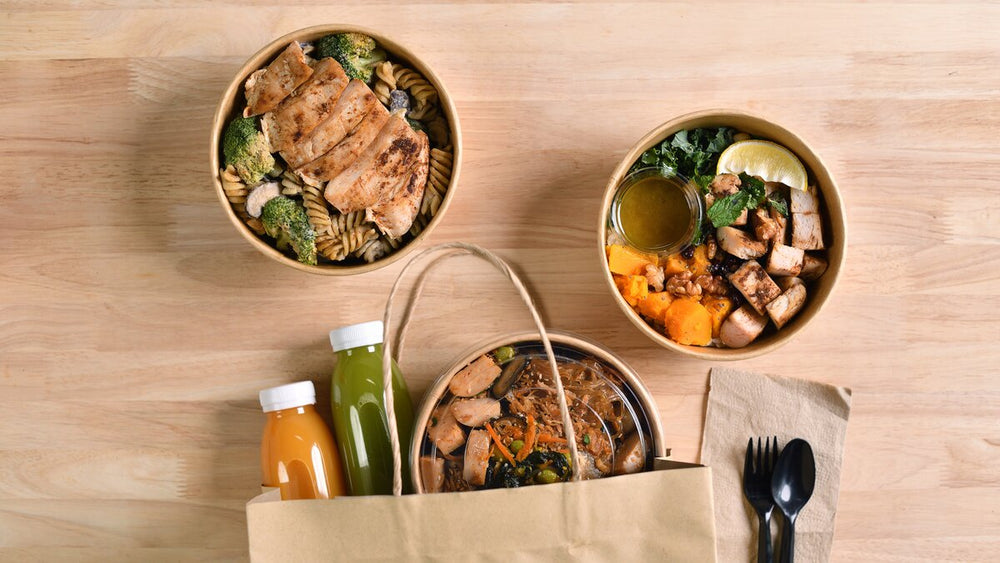
- Eat smaller meals, more frequently. When we have a reduced appetite, it can feel overwhelming to try to eat a large portion at once, especially if motivation is already low. Instead, try keeping smaller meals or snacks around that feel less overwhelming. This also helps prevent and manage nausea and acid reflux.
- Avoid common reflux triggers. Sometimes during the grieving process, you may have loved ones dropping off food and helping with food prep.Avoid the temptation to eat a meal that has your reflux triggers for the sake of being polite. Often, those helping in a crisis prefer that you give them some direction as to what to prepare. For example, kindly request that pasta dishes be made without tomato sauce if that is one of your triggers.
- Practice mindful eating when possible. Speed rushing through your meals can lead to worsening symptoms. Instead, use mealtimes as a moment to nurture yourself physically or emotionally. Consider saying a prayer to center yourself before your meal. Focus your attention on the smells and tastes of your meal to guide your focus, and take breaths between bites.
- Stay hydrated. When we are overwhelmed, we can forget to drink enough water. Unfortunately, this can lead to lethargy or even dehydration. With IBS and diarrhea, dehydration can go from mild to severe quickly. Keep hydrating beverages close by, and consider some soothing options like herbal tea. Ginger tea can help reduce nausea, while chamomile offers soothing benefits.
- Give yourself permission to eat simply. Your nutrition does not have to be perfect during times of grief. Reduce the pressure on yourself to cook elaborate or exciting meals. Having some options that you can repeat from one week to the next will reduce decision-making fatigue in an already stressful time.
Gentle GERD- and IBS-Friendly Foods to Consider
If all your creative juices have run out, start with this list of simple meal ideas. You can always add or edit meal ideas as you feel up to it.
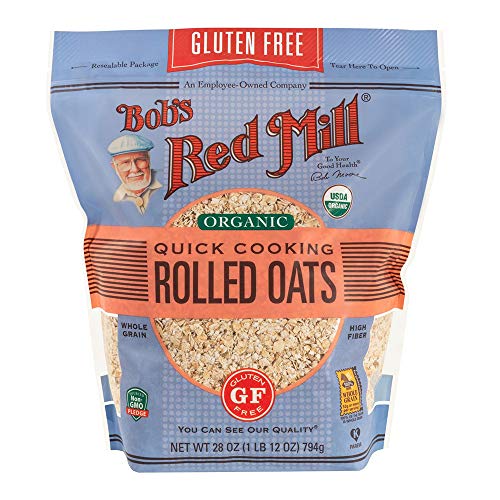
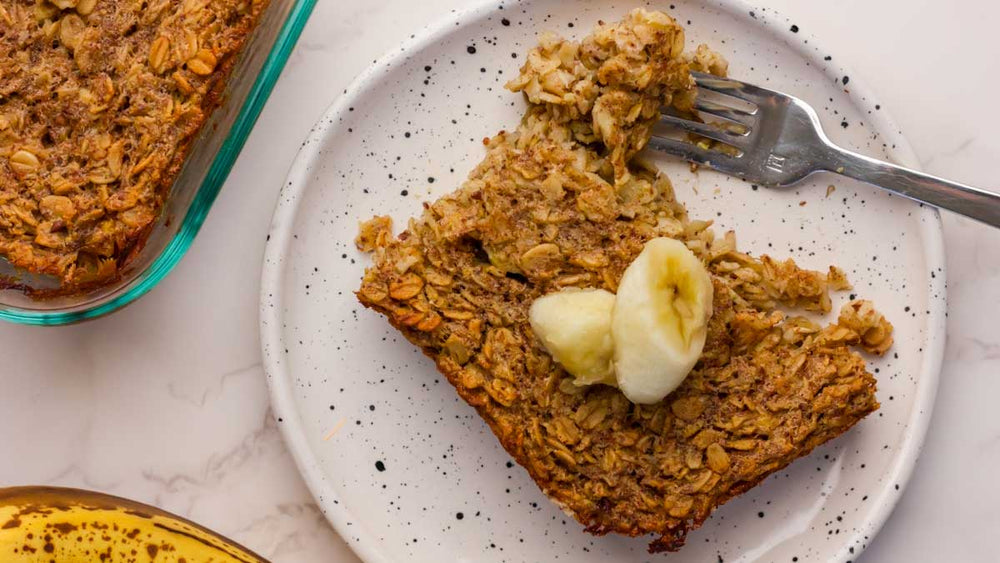
- Oatmeal with fruit: This is a high-fiber, low-fat breakfast option that is soothing to the stomach. The soluble fiber in oatmeal is particularly helpful if you are experiencing diarrhea.
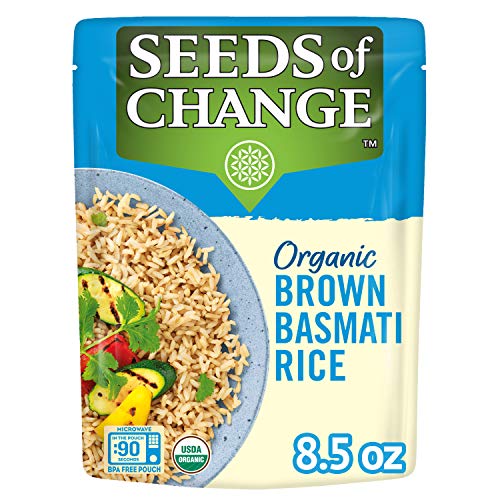
- Rice bowls with lean protein: Rice is another soluble starch food that can make a versatile base for many dishes. One week, try rice, tuna, and edamame. Next, add variety by turning it into a taco bowl.
- Toast with nut butter: For a quick source of energy, throw a piece of bread in the toaster and add your favorite topping. Nut butters, avocado, and low-fat cottage cheese are gut-friendly choices.
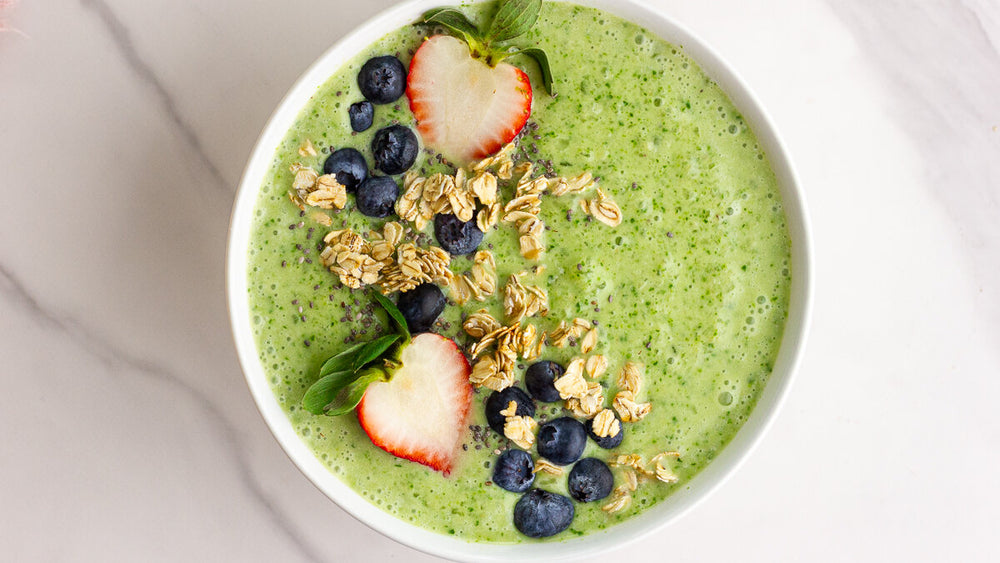
- Smoothies: For minimal effort and maximum nutritional value, toss some frozen fruits, vegetables, and a probiotic-rich yogurt into a blender for gut benefits.
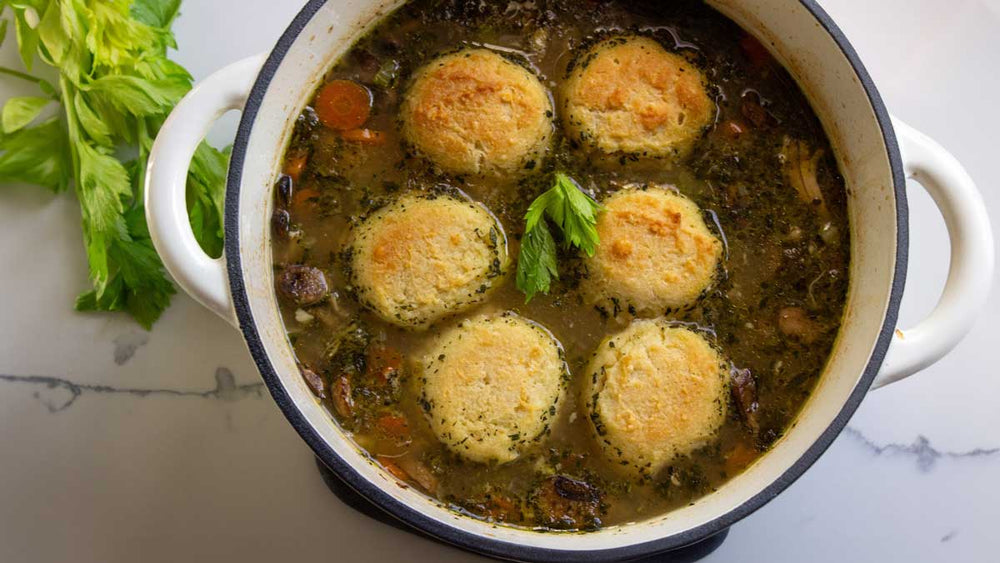
- Gentle soups: There’s a reason we associate soups with being sick. They are just plain comforting. When we are feeling emotionally unwell, the effect can be just as soothing.
When we experience loss, it can be so easy to lose ourselves. While we don’t need to have the perfect diet all the time, it’s important not to lose track of the habits that keep our GI distress under control so we can heal physically and emotionally. If you would like extra support during your difficult time, consider reaching out to a registered dietitian nutritionist for one-on-one help.
FAQs
Can grief really cause digestive symptoms like acid reflux or IBS flare-ups?
Yes. Grief and emotional stress can affect the gut through the gut-brain axis, the communication network between the brain and the digestive system. During periods of intense stress, some people experience nausea, loss of appetite, heartburn, diarrhea, constipation, or worsening IBS and GERD symptoms. Taking care of both your emotional and physical health can help support recovery.
What should I eat if I have no appetite during grief?
When eating feels difficult, focus on small, easy-to-tolerate meals instead of large portions. Foods like oatmeal, rice, toast with nut butter, smoothies, yogurt, or simple soups can provide nourishment without feeling overwhelming. Even a few bites at a time can help maintain your energy and support healing.
How can I support my digestive health during periods of stress or loss?
Try to eat regularly, stay hydrated, choose foods that are gentle on your digestive system, and avoid your personal GERD or IBS trigger foods whenever possible. Gentle movement, adequate sleep, mindfulness practices, and accepting help from family and friends can also support both emotional well-being and digestive health during difficult times.
When should I seek professional help for digestive symptoms during grief?
It's a good idea to contact your healthcare provider if you experience persistent vomiting, significant weight loss, severe abdominal pain, difficulty swallowing, blood in your stool, or digestive symptoms that continue to worsen despite self-care. A registered dietitian can also help you create a meal plan that supports both your digestive health and nutritional needs while you're navigating grief.












 Recipes
 Products
Comments
Join The Conversation...