



Is Green Juice Good for You? Nutrition Facts and Health Benefits
In a world of ever-evolving wellness trends, green juice is here to stay. For years now, it seems a new juice store has cropped up in every town center, and each January 1st, social media posts advocate a “New Year’s juice cleanse”. We’re here to address what’s hype and what’s fiction and to answer the question, “Is green juice healthy?”
What Is Green Juice?
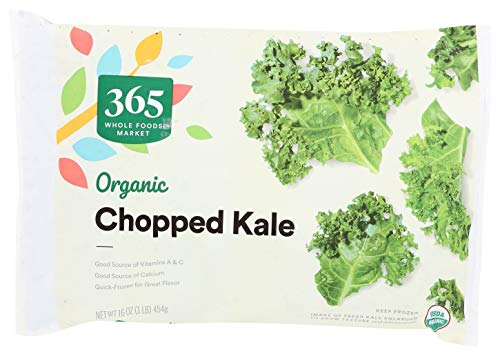
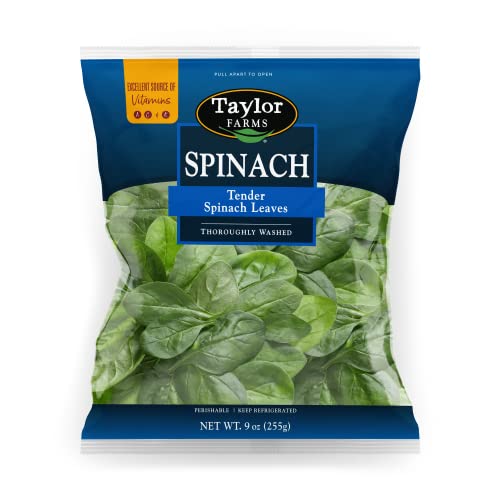
Green juice is made by extracting the liquid from fruits and vegetables, leaving behind the pulp for a thin, hydrating beverage. The ingredients can be modified based on personal taste preferences. Common ingredients include kale, spinach, cucumber, celery, apples, lemon, and pineapple. Green juice can be made at home, purchased pre-bottled in the grocery store, or sold at specialty juice stores.
Nutritional Composition of Green Juice
The exact nutritional makeup of green juice will depend on the specific juice. However, common vitamins include C, E, A, and K. Because they are derived from plants, they contain anti-inflammatory antioxidants and other beneficial phytonutrients. Green juice will also contain sugar. Homemade juices will have natural sugars mostly from fruits, but store-bought varieties may contain added sugar for enhanced sweetness and flavor.
What green juice does not contain is fiber. Because the pulp is left behind, so is the fiber. It’s important to note that some of the micronutrients obtained from produce are found in the pulp and skin. Therefore, 100% of the micronutrients won’t survive the juicing process.
Addressing the claims:
With the basics of green juice under our belt, let’s analyze whether the green juice hype is worthy of the claims.
Claim #1: Green juice can detox the body
The human body has organs and systems that help naturally detox the body from harmful substances. The liver, kidneys, lungs, and lymphatic system are just a few of the mechanisms involved. Eating healthfully is essential to maintaining these systems. However, there is no evidence that juicing improves these systems more than maintaining a balanced diet rich in whole plant foods and with minimal ultra-processed foods. To support the body’s natural detox pathways, sweat daily, have regular bowel movements, maintain hydration, and eat a variety of whole plant foods.
Claim #2: Green juice is a way to quickly consume all your fruits and vegetables
Because juicing leaves behind fiber and some of the micronutrients, it is not an adequate replacement for whole produce. In previous years, the Dietary Guidelines for Americans have allowed 100% juice to count for only 1 of the day’s 5 recommended servings of fruits or vegetables.
Claim #3: Green juice diets are a good way to lose weight
Following a juice-only diet significantly reduces calorie intake compared with eating regular meals and snacks and may lead to weight loss for some individuals. However, this weight loss is rarely sustainable and leaves significant nutritional gaps in the diet. Juice-dieters may experience fatigue, large spikes or drops in blood glucose levels, increased irritability, and constipation. For many health conditions and activity levels, juice fasting for weight loss is considered unsafe.
Tips for Enjoying Healthier Green Juice
- Use more vegetables than fruits. This will limit the total sugar content and help prevent spikes in blood sugar levels.
- Pair juice with protein and healthy fats. Many of the vitamins in green juice are fat-soluble, meaning your body needs a little fat to properly use and store those nutrients. Pairing the juice with protein can support blood sugar balance.
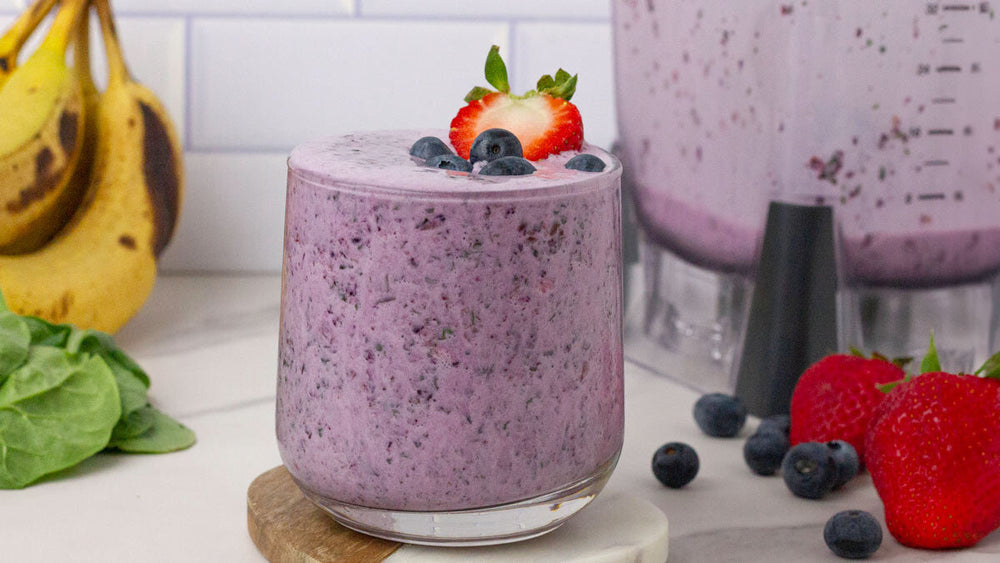
- Consider turning your juice into a smoothie. This will help you to retain the fiber from the produce and add other ingredients to turn your juice into a more complete meal.
- Limit the total quantity consumed. A good rule of thumb is not to juice more food than you could eat whole. A moderate serving of green juice is between 4 and 6oz. For a larger beverage, consider diluting your juice with water or coconut water.
Like many health trends, green juice sits somewhere between promise and reality. It can be a convenient way to vary your routine, stay hydrated, and sneak in some extra nutrients. So, is green juice healthy? It certainly can be! Just remember, health and wellness aren’t built on any single food, tool, or trend but on consistent, balanced habits over time. Now that’s some wellness advice to drink up!
FAQs
Is green juice healthier than eating whole fruits and vegetables?
Not necessarily. Green juice provides vitamins, minerals, and antioxidants, but it typically contains very little fiber because the pulp is removed during juicing. Whole fruits and vegetables provide fiber, promote fullness, and support healthy digestion, making them the preferred choice for most people. Green juice can complement a balanced diet but shouldn't replace whole produce.
Can green juice help you lose weight?
Green juice alone is not a weight-loss solution. While replacing high-calorie beverages with green juice may reduce calorie intake, juice cleanses and juice-only diets are generally not recommended because they lack important nutrients like protein and fiber. Sustainable weight management is best achieved through balanced eating patterns, regular physical activity, and healthy lifestyle habits.
What should I look for when buying green juice?
Choose products made primarily from vegetables with no added sugars whenever possible. Reading the ingredient list can help you identify juices with minimal ingredients and lower sugar content. If making your own at home, using more vegetables than fruit and pairing your juice with a source of protein and healthy fat can create a more balanced snack or meal.
Is it better to make green juice or a green smoothie?
For most people, a green smoothie offers more nutritional benefits because it retains the fiber from the fruits and vegetables. Fiber supports digestive health, helps regulate blood sugar, and promotes fullness. If you enjoy green juice, consider blending the same ingredients into a smoothie instead to maximize the nutritional value.











 Recipes
 Products

Comments
Join The Conversation...