


Servings: 4Prep: 5 minsTotal: 5 mins
Smoothie Secrets: Creating GERD- and IBS-Friendly Smoothies
Smoothies are one of my go-to breakfasts.
Honestly, I enjoy them year-round and rotate through all kinds of flavor combinations depending on the season and what ingredients I have stocked in my freezer.
For me, smoothies are often preferable to juices because they retain much more fiber while still providing plenty of vitamins, minerals, and hydration. They are refreshing, forgiving, customizable, and genuinely delicious.
Why Smoothies Work Well for GERD and IBS
One of the best things about smoothies is how easily they can be customized based on individual digestive needs and tolerances.
For individuals managing GERD or IBS, smoothies can sometimes provide a gentler option because ingredients can be adjusted to:
- Reduce trigger foods
- Modify fiber texture
- Increase nutrition
- Support hydration
- Improve tolerance during flare-ups
Of course, triggers vary from person to person, so the key is to build smoothies around ingredients your body tolerates well.
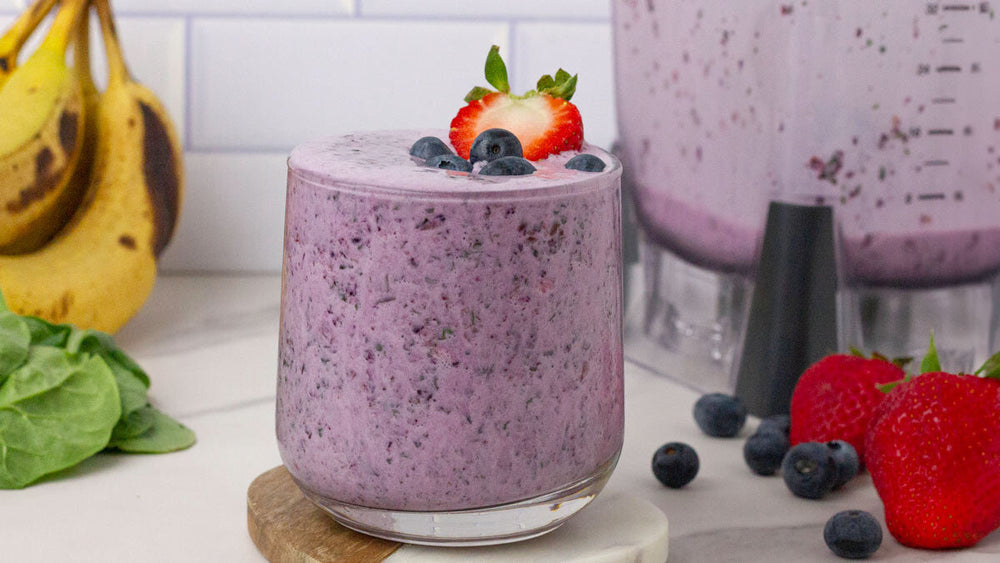
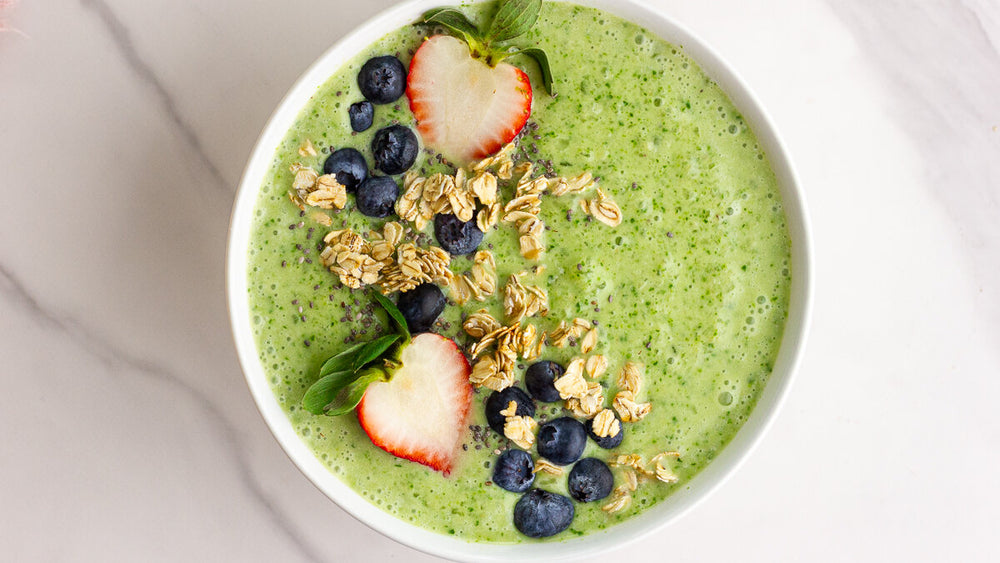
This particular berry smoothie is one of my kids’ favorites because it turns out cool and creamy thanks to the frozen bananas and yogurt.
Easy Ways to Add More Nutrition
Smoothies are also incredibly versatile for boosting nutrition.
Depending on your needs and tolerance levels, smoothies can easily be “bulked up” with ingredients such as:
- Yogurt
- Nut butters
- Protein powder
- Spinach
- Chia seeds
- Oats
- Lactose-free dairy products
- Low FODMAP fruits
This flexibility makes smoothies useful not only for busy mornings but also for individuals who may struggle with appetite, digestive symptoms, or meeting nutritional needs during flare-ups.
The Importance of a Good Blender
All you really need to make smoothies at home is a good blender.
That does not mean you need to run out and purchase the most expensive appliance on the market, but high-powered blenders do tend to break down fruit and vegetable fibers more thoroughly, creating a smoother texture.
For individuals with IBS or digestive sensitivities, texture can sometimes matter more than people realize. Poorly blended seeds, skins, or fibrous vegetables may occasionally worsen symptoms for some individuals.
If your smoothie still feels too fibrous—or if berry seeds are not blending completely—you can always pour it through a fine-mesh strainer before drinking it.
My Favorite Smoothie Prep Trick
One of the biggest smoothie secrets is simple freezer prep.
I like to buy bagged baby spinach and freeze it immediately when I get home from the grocery store. I transfer everything into a freezer-safe bag so I can grab handfuls of frozen spinach anytime I make a smoothie.
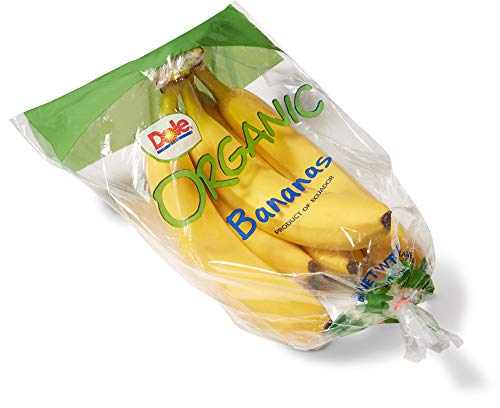
I do the same thing with bananas.
Whenever bananas start getting overly ripe, I peel them, break them in half, and freeze them in reusable silicone or freezer bags. Frozen bananas create an incredibly creamy smoothie texture without needing ice cream or heavy cream.
And as a bonus, they help reduce food waste.
Tips for Better Smoothie Texture
If your blender is not particularly powerful, cutting bananas into smaller pieces before freezing can make a huge difference.
Smaller frozen chunks blend much more easily and are far less likely to sound like they are destroying your blender.
I also like keeping a variety of frozen fruits stocked in the freezer. While fresh fruit absolutely works, frozen fruit tends to create a colder, thicker, creamier smoothie texture that feels especially refreshing during warmer months.
Choosing GERD- and IBS-Friendly Ingredients
For individuals managing GERD or IBS, ingredient selection may require a little extra thought.
Some smoothie ingredients commonly promoted in wellness culture—such as excessive citrus, high-fat add-ins, artificial sweeteners, or large amounts of certain fruits—may trigger symptoms in some individuals.
Generally, many people tolerate ingredients such as:
- Bananas
- Strawberries
- Blueberries
- Lactose-free yogurt
- Spinach
- Oats
- Almond milk
- Peanut butter in moderation
However, tolerance always varies person to person.
The best smoothie is ultimately the one that leaves you feeling energized and nourished—not uncomfortable afterward.
The Bottom Line
Smoothies can be an easy, refreshing, and nutrient-dense option for individuals managing GERD or IBS, especially since they are highly customizable.
With a little freezer prep, a good blender, and ingredients tailored to your personal tolerance, smoothies can be a simple way to support hydration, nutrition, and digestive comfort all year long.
And honestly, there is just something satisfying about having a freezer stocked and ready for smoothie season at any time.
FAQs
Can I make this Mixed Berry Smoothie ahead of time?
Smoothies are best enjoyed immediately after blending, but you can refrigerate this smoothie in a sealed container for up to 24 hours. Give it a good shake or stir before drinking, as some separation is normal.
Can I use fresh berries instead of frozen?
Yes! Fresh berries work just as well, although the smoothie may be thinner. If using fresh fruit, add a handful of ice cubes to create a thicker, colder consistency.
How can I add more protein to this smoothie?
You can boost the protein by adding Greek yogurt, cottage cheese, protein powder, or nut butter, depending on your preferences. These additions can help make the smoothie more filling and satisfying as a meal or post-workout snack.
Can I customize this smoothie with other fruits?
Absolutely! Mixed berry smoothies are incredibly versatile. Try adding banana, mango, peaches, pineapple, or spinach for different flavors and extra nutrients, and adjust the liquid as needed to achieve your desired consistency.
GERD- and IBS-Friendly Mixed Berry Smoothie
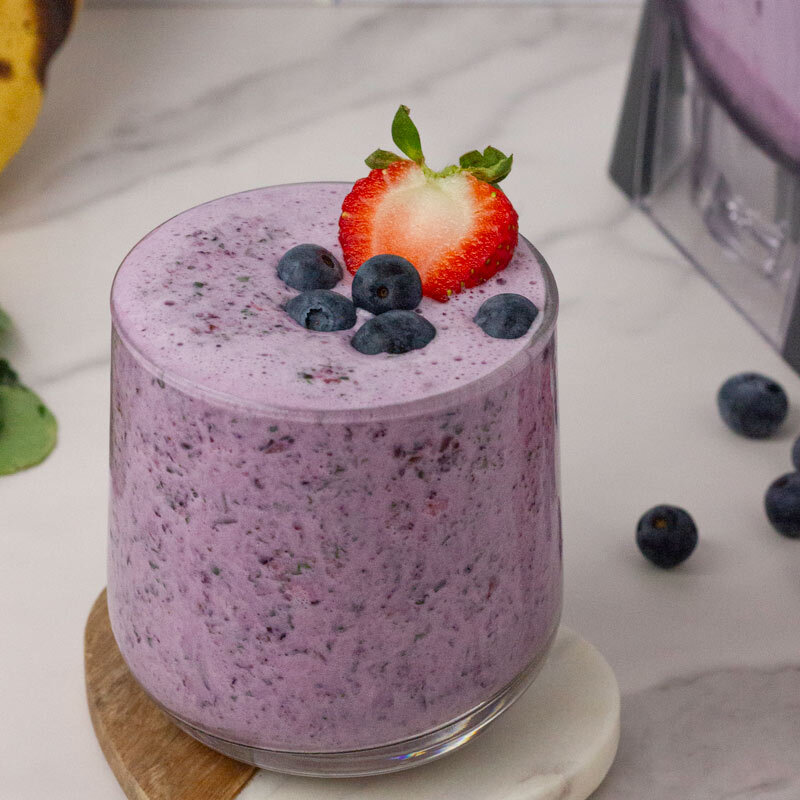
This Mixed Berry Smoothie is a refreshing blend of sweet berries, creamy yogurt, and wholesome ingredients for a quick and nourishing breakfast or snack. Ready in just minutes, it's an easy way to enjoy fruit, protein, and lasting energy on even the busiest days.
Servings: 4 cupsPrep: 5 minsTotal: 5 minsDifficulty: Easy
AmericanBreakfastSnackGERD-friendlyIBS-friendly recipes
Ingredients
1 medium banana, frozen and cut into smaller chunks
1 cup frozen baby spinach
1 1/2 cups frozen mixed berries
1/2 cup (~100g) 5% Plain Greek Yogurt
1 teaspoon vanilla extract
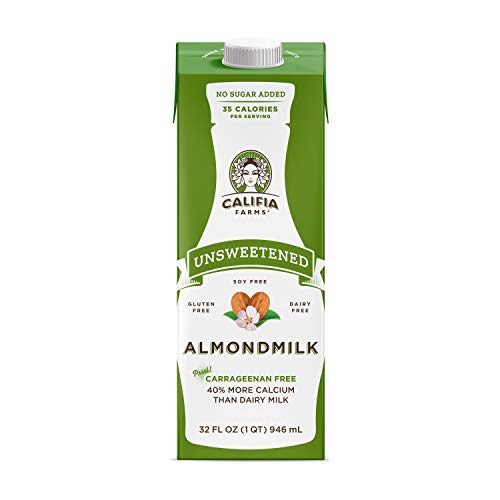
1 1/2 cups unsweetened almond milk
Instructions
1
Add frozen spinach, almond milk, and vanilla to a blender. Blend on high until smooth with no large spinach pieces remaining.
2
Add frozen mixed berries, frozen banana and Greek yogurt.
3
Add any other *add-ins you enjoy.
4
Blend on high until smooth! Depends on your blender, but I usually let it spin for at least 1 minute.
5
Pour into glasses and enjoy!
Nutrition Facts
Per serving
Calories
100
100
Fat
2.5g
2.5g
Carbs
15.0g
15.0g
Protein
4.0g
4.0g
Fiber
3.0g
3.0g
Sodium
85.0mg
85.0mg
Sugars
8.0g
8.0g
Sat. Fat
0.5g
0.5g
Notes
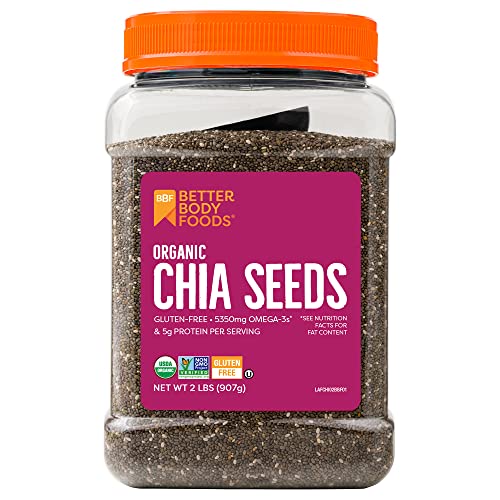
*Additional add-ins: 1 Tb hemp hearts, 1 Tb chia seeds, 1 Tb nut butter









 Articles
 Products
Comments
Allison Koch, PhD, RDN
10/03/2025 at 09:50 AM
Hi Juan! Thanks so much for the comment. I hope that this article will help you identify some high-calorie and high-protein choices to help with your weight loss: https://foodguides.com/blogs/from-the-experts/gerd-friendly-snacks-nourishing-solutions-for-weight-management
Tracy Carter
10/03/2025 at 09:44 AM
Greetings to u Juan,I promise I’ll pray for u because I know what u going throught,start making smoothies it helps
Juan Balderas
08/18/2025 at 09:11 AM
I’ve had GERD for about 1 year. I’m desperately looking for a high calorie healthy food diet. Since developing this disease, I keep loosing weight, because either I loose appetite or get full very easily. Please help me. Sincerely, Juan.
Join The Conversation...