


Servings: 1Prep: 5 minsTotal: 5 mins
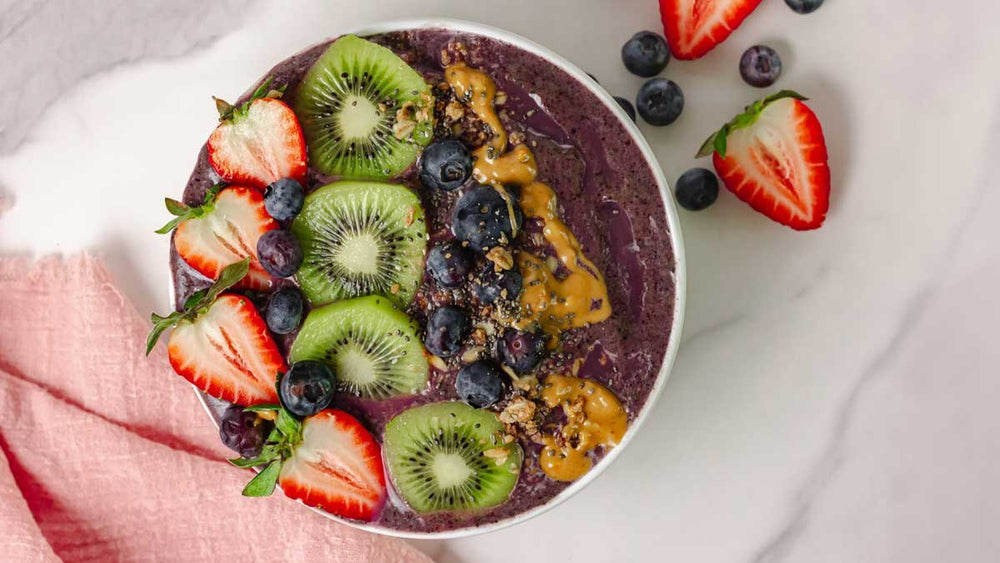
Beat the heat in style with our Loaded Açaí Bowl recipe. Packed with nutrients and endless customization options, it's the perfect refreshing treat for scorching summer days!
Açaí bowls are a popular breakfast option that originated in Brazil and have since gained popularity worldwide. They are typically made with frozen açaí berries high in antioxidants, fiber, and healthy fats. People blend the berries with other ingredients such as almond milk, banana, and other berries, then top them with nuts, seeds, and fruit. The result is a delicious and nutritious breakfast bowl suitable for people with IBS and following a Low FODMAP diet.
Benefits of Açaí in a Low FODMAP Diet
Incorporating acai into a Low FODMAP diet offers numerous nutritional benefits alongside convenience. Açaí, available in both powder and frozen packs, is rich in antioxidants, healthy fats, and fiber, making it a valuable addition to a balanced diet. Its availability in various forms makes it easier to add to daily meals and snacks. Açaí provides a delicious and gut-friendly option for those following a Low FODMAP diet, whether blended into smoothies, mixed into yogurt, or incorporated into desserts.
Choosing Low FODMAP Fruits and Add-ins
When making a Low FODMAP açaí bowl, choose Low FODMAP fruits and add-ins. Many fruits contain high levels of FODMAPs, including fructose, fructans, and polyols. Some examples of Low FODMAP fruits that can be used in açaí bowls include strawberries, blueberries, and raspberries.
Other Low FODMAP add-ins that can be used in açaí bowls include chia seeds, coconut flakes, and lactose-free milk. It is important to avoid high FODMAP ingredients such as honey, agave syrup, and high FODMAP fruits like mango and watermelon. Toppings like peanut or almond butter can be added for a creamy texture and nutty flavor without causing digestive issues.
Creating Your Low FODMAP Açaí Bowl
When creating a Low FODMAP açaí bowl, keep a few things in mind. The base, proteins and seeds, natural sweeteners, and flavor enhancers are all important components. Here are some tips for creating a delicious and Low FODMAP açaí bowl.
Selecting a Base: Milk and Alternatives
When selecting a base for your açaí bowl, choose a Low FODMAP milk or alternative. Almond milk, coconut milk, and lactose-free yogurt are all great options. Be sure to check the Monash University app for serving sizes and FODMAP content.
Incorporating Proteins and Seeds
Proteins and seeds are important for creating a well-rounded and satisfying acai bowl. Chia seeds and hemp seeds are both Low FODMAP and can add a nice crunch to your bowl. Nut butters, such as peanut butter, can also add protein and flavor. Additionally, for those looking to boost their protein intake, collagen is an excellent addition that can be added to support overall gut health, skin elasticity, and joint health.
Natural Sweeteners and Flavor Enhancers
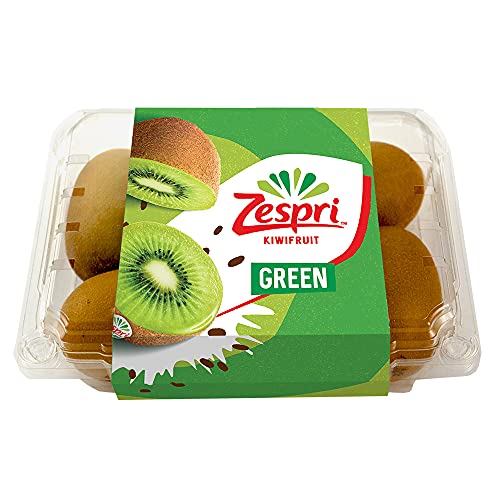
When it comes to sweetening your açaí bowl, natural sweeteners such as maple syrup are a great option. Be sure to use it in moderation and check the Monash University app for serving sizes and FODMAP content. To enhance the flavor of your bowl, consider adding shredded coconut, sliced banana, kiwi, blackberries, or other Low FODMAP fruits.
The Low Down On Granola
Granola serves as an excellent crunchy addition to Low FODMAP açaí bowls, offering texture and flavor without causing GI upset. When selecting granola for a FODMAP-friendly bowl, it's important to look at the ingredients carefully, avoiding high FODMAP components like honey, excess dried fruits, and certain nuts.
Instead, opt for a granola made with Low FODMAP ingredients such as gluten-free oats, seeds like pumpkin or sunflower, and small portions of Low FODMAP nuts like almonds or pecans. Additionally, choosing a granola sweetened with a touch of maple syrup or other Low FODMAP sweeteners ensures a delicious crunch without the worry of digestive discomfort.
Some of our favorite store-bought Low FODMAP granola options are:
- Bakery on Main Sprouted Maple Quinoa Granola
- Bob’s Red Mill Coconut Spice Granola with Toasted Coconut
- Ladera Foods Vanilla Quinoa
- Marge Granola Blueberry Almond Flax
- One Degree Organics Sprouted Oat Vanilla Chia Granola
FAQs
Is Açaí Low FODMAP?
According to Monash University, açaí powder is considered Low FODMAP in small doses of 1 tablespoon per meal. It can be added to drinks, oatmeal bowls, and smoothies, or used to make açaí bowls. Other forms of açaí haven't been tested for FODMAPs, so it may be best to avoid them if you're worried about triggering symptoms.
Are there any Low FODMAP alternatives to granola for topping an açaí bowl?
Yes, there are several Low FODMAP alternatives to granola for topping an açaí bowl. Some options include chia seeds, hemp seeds, sliced pecans, unsweetened coconut flakes, and pumpkin seeds. These toppings are not only Low FODMAP but also add a nice crunch and texture to the bowl.
Which fruits are safe to include in a Low FODMAP açaí bowl?
Some fruits that are safe to include in a Low FODMAP açaí bowl include strawberries, blueberries, raspberries, kiwi, and banana. It's important to note that serving sizes matter, so make sure to check the Monash University app for appropriate portion sizes.
How can I modify a traditional açaí bowl recipe to be Low FODMAP friendly?
To modify a traditional açaí bowl recipe to be Low FODMAP friendly, try swapping out high FODMAP ingredients with Low FODMAP alternatives. For example, swap out regular yogurt for lactose-free yogurt, use Low FODMAP fruits like bananas and blueberries, and avoid high FODMAP toppings like honey or agave syrup. Additionally, be mindful of portion sizes and avoid adding too many high FODMAP ingredients in one bowl.
Low FODMAP Loaded Açaí Bowl
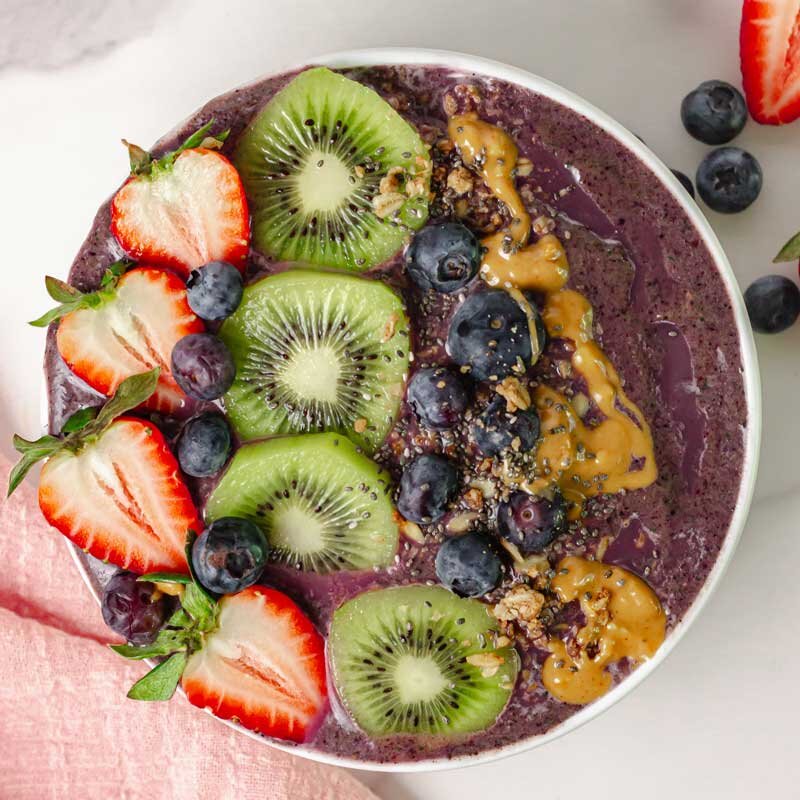
Bursting with nutritious goodness and endless customization possibilities, this Loaded Açaí Bowl is your ultimate summer companion!
Servings: 1 servingsPrep: 5 minsTotal: 5 minsDifficulty: Easy
AmericanBreakfastSnackLow FODMAP breakfast
Ingredients
2 teaspoons açaí powder
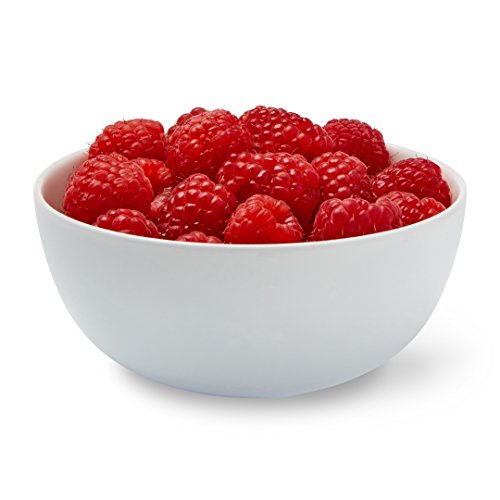
1/3 cup frozen raspberries
1/3 cup frozen blueberries
1 medium banana, frozen
1/3 cup lactose-free milk or milk of choice
1 scoop collagen
1 teaspoon maple syrup
For the Topping:
2 strawberries, halved
1/2 kiwi, sliced
1 tablespoon Low FODMAP granola
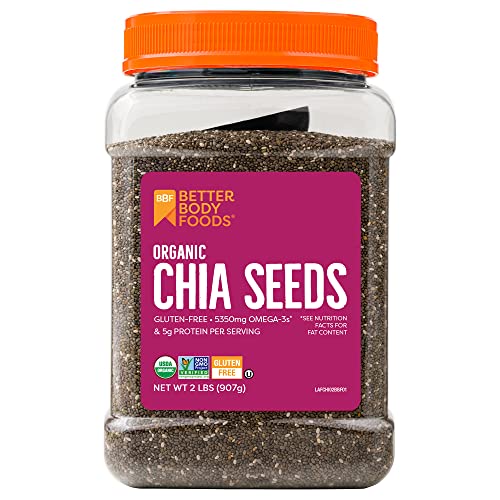
1 teaspoon chia seeds
1 tablespoon natural peanut butter
Instructions
1
In a blender, combine açaí powder, frozen berries, frozen banana, milk, collagen, and maple syrup. Blend until achieving the desired consistency, adjusting milk quantity as needed.
2
Transfer the blended mixture into a serving bowl. Arrange strawberries, kiwi fruit, chia seeds, and peanut butter on top as you like.
Nutrition Facts
Per serving
Calories
342
342
Fat
12.6g
12.6g
Carbs
44.0g
44.0g
Protein
18.7g
18.7g
Fiber
8.5g
8.5g
Sodium
175.6mg
175.6mg
Sugars
25.4g
25.4g
Sat. Fat
2.3g
2.3g
Notes
- Customize your açaí bowl with your favorite toppings such as sliced fruits, shredded coconut, or granola.
- Adjust the sweetness by adding more or less maple syrup according to your taste preferences.
- Experiment with different protein sources like collagen, pea protein, or Greek yogurt for added protein and nutritional benefits.




 Articles
 Products

Comments
Join The Conversation...