


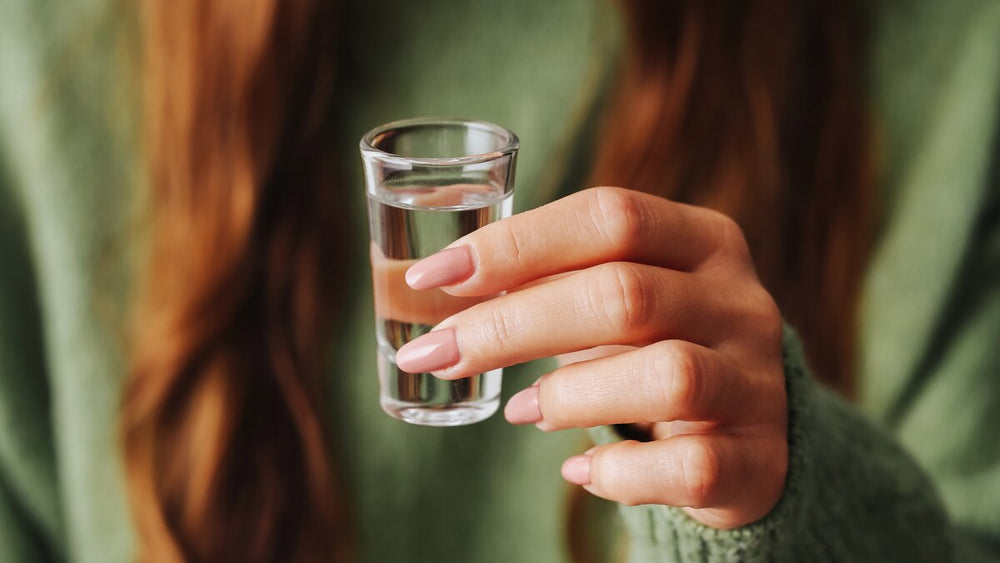
Beyond Weight Loss: How GLP-1 Agonists May Influence Alcohol Use
The Unexpected Effect: GLP-1s and Reduced Alcohol Desire
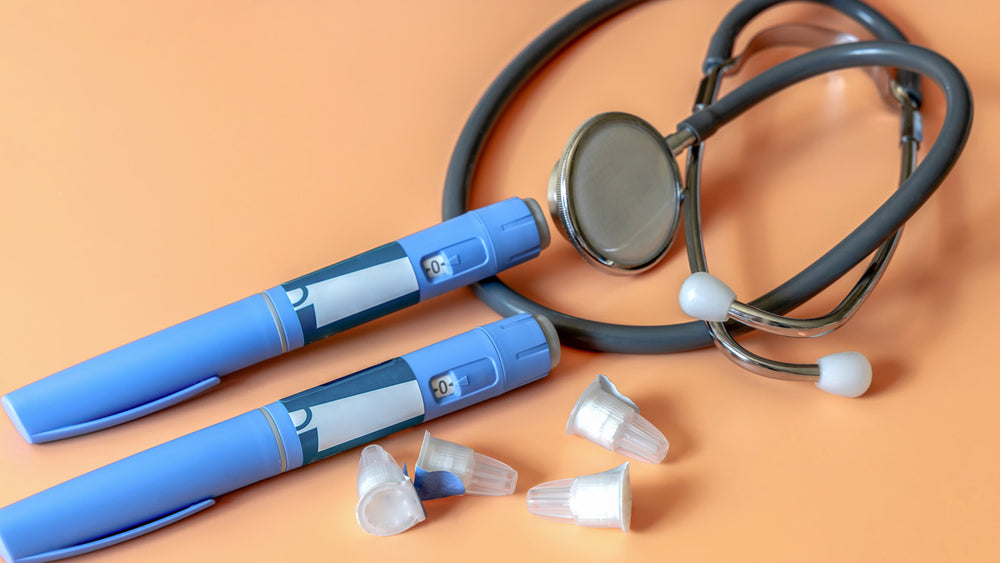
Glucagon-like peptide-1 (GLP-1) receptor agonists are medications primarily used to treat type 2 diabetes and/or manage weight loss. They work to regulate blood sugar levels, slow digestion, and affect hunger and satiety hormones like leptin and ghrelin to help promote weight loss (10-20% weight-loss efficacy).
There are several classes of these medications, with some more effective for certain individuals. First is semaglutide (Ozempic, Wegovy), next is liraglutide (Victoza and Saxenda), and then Tirzepatide (Mounjaro, Zepbound). The latter mimics not only GLP-1 but also GIP (glucose-dependent insulinotropic polypeptide), which is considered more effective for weight loss than GLP-1 alone.
There are several classes of these medications, with some more effective for certain individuals. First is semaglutide (Ozempic, Wegovy), next is liraglutide (Victoza and Saxenda), and then Tirzepatide (Mounjaro, Zepbound). The latter mimics not only GLP-1 but also GIP (glucose-dependent insulinotropic polypeptide), which is considered more effective for weight loss than GLP-1 alone.
Early research has indicated that, in addition to reduced food cravings, it is also possible to experience reduced alcohol cravings. In fact, many people taking GLP-1s have reported this reduced craving. Clinical studies have shown that in excessive alcohol consumption, there may be a 68% reduction in intake. Research has suggested this is due in part to the effect of GLP-1s on the brain's reward system- specifically the dopamine pathway by blocking or reducing the pleasure or reward signal previously associated with alcohol consumption.
The Mechanism: How GLP-1s Influence Reward and Cravings
Dopamine Pathway Modulation: Hitting the Brain's Reward Centers
GLP-1s can modulate the brain's reward system by targeting dopamine-rich areas. They act as a control system on dopamine-driven cue reactivity, reducing the reward value of food or alcohol rather than just inducing satiety. This helps to decrease the impulse behind seeking out addictive substances like alcohol or sugar.
Reducing the Pleasure/Reinforcement Associated with Alcohol
Because alcohol normally induces a large dopamine release, which creates a pleasurable sensation throughout the body, when taking GLP-1s, it counteracts this effect, which causes the consumer to experience less pleasure or reward from alcohol, which can reduce the will to drink it. Furthermore, GLP-1s also interact with neurotransmitter systems like GABA and glutamate, which are involved in addiction and reward processing, so this may also affect one's desire to consume alcohol.
Indirect Effects: Reduced Food Cravings Leading to Reduced Drinking Opportunities
In addition to reduced “reward” from consuming alcohol while on GLP-1s, slow appetite or reduced appetite may also prevent one from wanting to drink alcohol. Often, alcohol is a source of empty calories and excessive sugar intake; therefore, reducing intake often reduces caloric intake and sugar intake, which may further aid in weight loss efforts.
Distinguishing Between Reduced Craving and Treatment for Alcohol Use Disorder (AUD)
Current Status: Off-Label Use vs. Formal FDA Approval
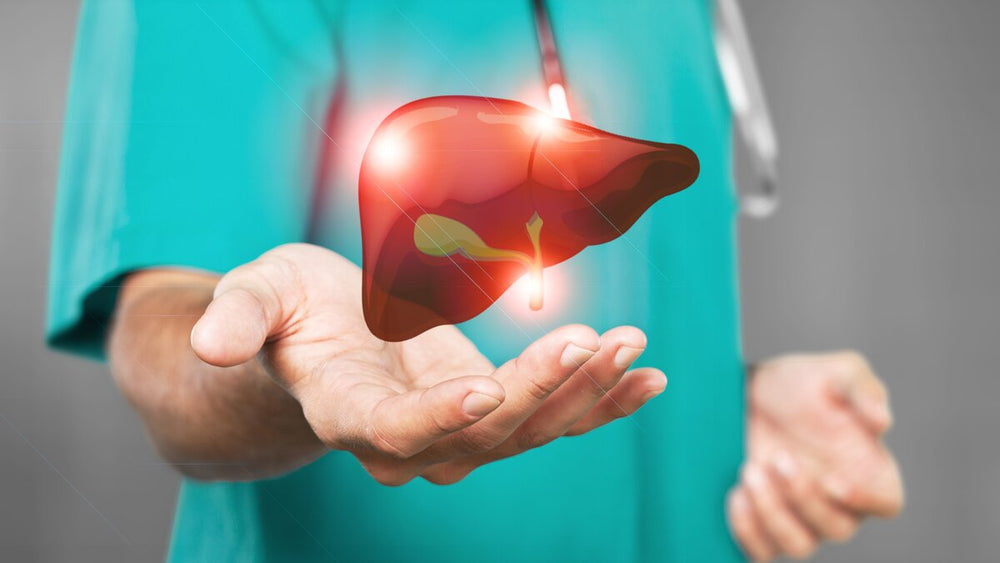
Off-label use of pharmaceuticals is common, and GLP-1s may be prescribed for off-label use in treating alcohol use disorder because of GLP-1's ability to reduce cravings and reward of food and other addictive substances. This may be particularly helpful in reducing alcohol-related hospitalizations and events. Furthermore, they may also reduce the chance of alcohol-associated liver injuries by decreasing the production of toxic alcohol metabolites. While preliminary evidence suggests they can help reduce alcohol consumption, more data is needed to fully understand the full effect of its use on this particular disorder, especially when it comes to relapse.
Safety and Side Effects for Users Who Drink
Potential Gastrointestinal Effects Worsened by Alcohol
GLP-1s are known for their potential side effects, such as nausea, vomiting, abdominal pain, pancreatitis, fatigue, headaches, and dizziness. If you are someone who drinks alcohol routinely, whether heavy or light, it is important to note the differences you may experience. Alcohol consumption while on these medications can heighten these side effects, making them worse. In general, it is advised to reduce and limit alcohol consumption to avoid it altogether. Talk with your healthcare provider or prescribing physician regarding your drinking habits to discuss the best plan of action for you.
FAQs
Can GLP-1 medications really reduce alcohol cravings?
Emerging research suggests they may. Many people taking GLP-1 receptor agonists, such as semaglutide and tirzepatide, report decreased interest in alcohol. Early studies have found reductions in alcohol consumption among some participants, although researchers are still working to understand exactly how these medications influence alcohol-related behaviors.
Why might GLP-1 medications affect the desire to drink alcohol?
GLP-1 medications appear to influence the brain's reward pathways, including areas involved in dopamine signaling. Because alcohol's pleasurable effects are partially driven by dopamine release, reducing that reward response may make drinking feel less appealing or satisfying for some individuals.
Are GLP-1 medications approved to treat alcohol use disorder (AUD)?
No. At this time, GLP-1 receptor agonists are approved for managing type 2 diabetes and/or weight loss, depending on the specific medication. While researchers are exploring their potential role in alcohol use disorder, more studies are needed before they can be considered a standard treatment for AUD.
Is it safe to drink alcohol while taking a GLP-1 medication?
Some people can drink alcohol while taking a GLP-1 medication, but caution is advised. Both alcohol and GLP-1 medications can contribute to nausea, vomiting, dizziness, dehydration, and gastrointestinal discomfort. If you choose to drink, discuss your alcohol intake with your healthcare provider and pay attention to how your body responds.
Could reduced alcohol intake support weight-loss goals?
Potentially. Alcohol can contribute significant calories while providing little nutritional value. If a GLP-1 medication reduces alcohol cravings or consumption, some individuals may naturally lower their calorie intake, which could support overall weight-management efforts.
Do GLP-1 medications reduce cravings for anything besides food?
Researchers are actively investigating whether GLP-1 receptor agonists may influence cravings for other rewarding substances or behaviors. Early evidence suggests possible effects on alcohol use and other reward-driven behaviors, but more research is needed to determine how significant these effects are and who may benefit most.
References
1Cleveland Clinic. (2025, September 30). GLP-1 agonists. Cleveland Clinic. https://my.clevelandclinic.org/health/treatments/13901-glp-1-agonists
2Aronne, L. J., Horn, D. B., Roux, C. W. L., Ho, W., Falcon, B. L., Valderas, E. G., Das, S., Lee, C. J., Glass, L. C., Senyucel, C., & Dunn, J. P. (2025). Tirzepatide as Compared with Semaglutide for the Treatment of Obesity. New England Journal of Medicine, 393(1), 26–36. https://doi.org/10.1056/nejmoa2416394
3Eshraghi, R., Ghadimi, D. J., Montazerinamin, S., Bahrami, A., Kachela, Y., Rezasoltani, M., Namazi, M. J., Subhani, M., Ebrahimi, P., & Hosseini, K. (2025). Effects of glucagon-like peptide-1 receptor agonists on alcohol consumption: a systematic review and meta-analysis. EClinicalMedicine, 90, 103645. https://doi.org/10.1016/j.eclinm.2025.103645
4Alves, G. a. M., Teranishi, M., De Castro Gonçalves Ortega, A. C. T., James, F., & Arachchige, A. S. P. M. (2025). Mechanisms of GLP-1 in Modulating Craving and Addiction: Neurobiological and translational insights. Medical Sciences, 13(3), 136. https://doi.org/10.3390/medsci13030136
5Rovinsky, K., & Rovinsky, K. (2023, December 5). Use of GLP-1 Receptor Agonists to Treat Substance and Alcohol Use Disorders is Promising, but Premature. Newsroom. https://news.unchealthcare.org/2023/12/use-of-glp-1-receptor-agonists-to-treat-substance-and-alcohol-use-disorders-is-promising-but-premature










 Recipes
 Products

Comments
Join The Conversation...