


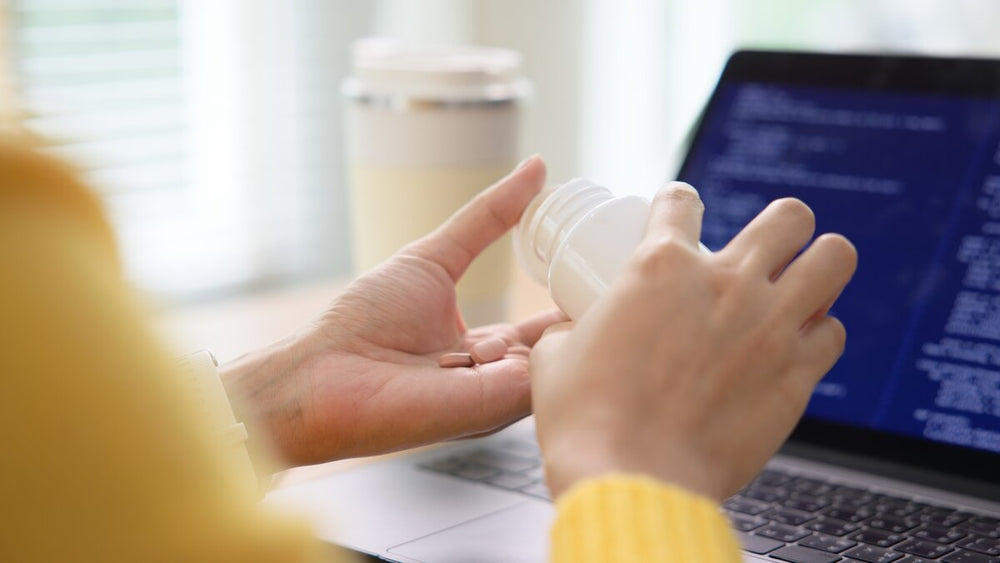
What is Ferrocalm? A Probiotic Designed for a “Stressed Gut”
In clinical practice, IBS is one of the most challenging functional gastrointestinal disorders to manage. Patients frequently report that standard probiotics provide inconsistent or short-lived relief, especially during symptom flare-ups.
Ferrocalm is a probiotic formulation developed with a different design philosophy: instead of targeting a “healthy baseline gut,” it is intended for a gut environment already under stress, characterized by inflammation, dysbiosis, and altered motility. IBS is not a static condition; it fluctuates. Therefore, interventions that fail under inflammatory conditions often fail the patient at the exact moment they need support most.
Ferrocalm is a probiotic formulation developed with a different design philosophy: instead of targeting a “healthy baseline gut,” it is intended for a gut environment already under stress, characterized by inflammation, dysbiosis, and altered motility. IBS is not a static condition; it fluctuates. Therefore, interventions that fail under inflammatory conditions often fail the patient at the exact moment they need support most.
Identifying the Unique Strain: Streptococcus thermophilus FX856
At the center of Ferrocalm is the strain Streptococcus thermophilus FX856. In general, S. thermophilus is a well-characterized lactic acid–producing organism commonly used in fermented foods and probiotic formulations.
The FX856 strain is presented as a more stress-tolerant variant, selected for survival in disrupted intestinal environments. From a theoretical clinical perspective, the key interest is not just colonization but functional persistence during inflammatory conditions, when many conventional strains lose viability or activity. At present, published clinical evidence evaluating FX856 in IBS remains limited.
The FX856 strain is presented as a more stress-tolerant variant, selected for survival in disrupted intestinal environments. From a theoretical clinical perspective, the key interest is not just colonization but functional persistence during inflammatory conditions, when many conventional strains lose viability or activity. At present, published clinical evidence evaluating FX856 in IBS remains limited.
Why Conventional Probiotics Often Underperform in IBS
In IBS patients, especially during flare-ups, several physiological factors reduce probiotic effectiveness:
- Increased mucosal inflammation creates a hostile microbial environment
- Altered intestinal pH can impair bacterial survival
- Rapid or irregular transit time limits colonization
- Immune activation disrupts microbial equilibrium
In practice, this explains why patients often report “it worked for a week, then stopped working.” The gut environment is inherently unstable, and many probiotics are not designed to handle it.
The Scientific Difference: Function in an Inflamed Environment
The proposed differentiation of Ferrocalm lies in its intended ability to remain active during inflammation rather than only under stable conditions.
The Iron-Loving Mechanism: Using Iron Availability as a Functional Niche
One of the more interesting theoretical aspects of FX856 is its relationship with iron dynamics in the gut. In inflammatory states, iron availability in the intestinal lumen can increase due to altered host regulation.
While this environment may favor certain pathogenic organisms, some commensal or probiotic strains may adapt to utilize iron as a growth-supporting factor.
From a clinician’s perspective, this raises a relevant hypothesis: rather than competing against inflammation, FX856 may be attempting to function within the biochemical conditions created by inflammation. If validated clinically, this could represent a meaningful shift in probiotic design.
Anti-Inflammatory Effects and Gut Barrier Support
The proposed benefits of Ferrocalm extend beyond microbial survival:
- Modulation of local inflammatory signaling pathways
- Support for tight junction integrity and epithelial barrier function
- Production of metabolites associated with microbial balance
- Competitive inhibition of less desirable or opportunistic bacteria
In IBS management, gut barrier dysfunction and low-grade inflammation are increasingly recognized as contributing factors, particularly in post-infectious and stress-related IBS subtypes.
Research Background: University of Bristol Development and Clinical Context
The development of FX856 has been associated with research at the University of Bristol, where interest has focused on microbial resilience in inflammatory gut conditions.
From a clinical standpoint, it is important to emphasize that while early research models are promising, robust, large-scale randomized controlled trials in IBS populations are still necessary before drawing definitive therapeutic conclusions.
Symptom-Specific Benefits for IBS Patients
IBS is heterogeneous, and symptom patterns vary significantly between patients. Any adjunctive therapy must therefore be evaluated across multiple symptom domains.
Targeting Bloating, Cramping, and Bowel Urgency
Based on proposed mechanisms, Ferrocalm may contribute to symptom modulation in several ways:
- Bloating: potential reduction in gas-producing microbial imbalance
- Cramping: possible modulation of visceral hypersensitivity pathways
- Bowel urgency: support for more stable gut motility patterns
Importantly, these are not immediate pharmacologic effects but are expected to develop through gradual modulation of the microbiome.
Supporting Gut Calm During Stress-Related Flare-Ups
Patients often experience worsening symptoms during travel, emotional stress, or changes in routine. A probiotic designed to maintain activity under these conditions may offer adjunctive support, not as a primary treatment, but as part of a broader management strategy.
Practical Considerations for Clinical Use
Dosage, Storage, and Dietary Compatibility
In practice, probiotics are most effective when used consistently rather than intermittently. Key considerations include:
Dosage: typically daily administration, depending on formulation
Storage: may vary between shelf-stable and refrigerated products
Dietary compatibility: often formulated to be vegan, dairy-free, and gluten-free
From a clinical adherence perspective, simplicity and tolerability are essential, particularly in patients already managing complex dietary restrictions.
Integration with Standard IBS Management Strategies
Ferrocalm should be considered an adjunct, not a replacement, for evidence-based IBS management strategies. These may include:
- Low-FODMAP dietary intervention
- Fiber modulation based on IBS subtype (IBS-C, IBS-D, IBS-M)
- Stress management and behavioral interventions
- Pharmacologic therapies, when indicated
In practice, probiotics are most effective when integrated into a structured, multi-modal treatment plan rather than used in isolation.
Conclusion
IBS remains a condition with variable response to treatment, largely due to its multifactorial nature and fluctuating physiology. One of the key limitations of conventional probiotics is their inability to maintain functional activity during inflammatory episodes.
Ferrocalm represents an emerging design approach: probiotics engineered for environmental resilience rather than ideal conditions. While the mechanistic rationale, particularly strain selection and adaptation to inflammatory gut environments, is scientifically interesting, it should be interpreted with appropriate clinical caution until more extensive human data are available. Ferrocalm is viewed as a potential adjunctive tool within a broader IBS management framework, rather than a standalone therapeutic solution.
Disclosure:This article is intended for educational purposes and is not an endorsement of any specific commercial product. References to Ferrocalm and FX856 are based on currently available published literature and manufacturer-provided information. Additional independent clinical studies are needed to establish efficacy.
Disclosure:This article is intended for educational purposes and is not an endorsement of any specific commercial product. References to Ferrocalm and FX856 are based on currently available published literature and manufacturer-provided information. Additional independent clinical studies are needed to establish efficacy.
FAQs
What is Ferrocalm?
Ferrocalm is a probiotic formulation containing the strain Streptococcus thermophilus FX856. It has been developed with the goal of supporting gut function during periods of intestinal stress, although research on this specific strain is still emerging.
Is Ferrocalm proven to treat IBS?
Not at this time. While the proposed mechanisms are promising, additional large-scale human clinical trials are needed to determine the effectiveness of Ferrocalm in managing IBS symptoms.
How is Ferrocalm different from other probiotics?
Unlike many traditional probiotics that are designed for relatively stable gut environments, Ferrocalm has been developed to remain active under inflammatory conditions. This concept is still being investigated through ongoing research.
Can I take Ferrocalm instead of following a Low FODMAP diet?
No. Current IBS guidelines continue to recommend evidence-based strategies such as dietary modification, stress management, physical activity, and medications when appropriate. If used, probiotics like Ferrocalm should be considered an adjunct rather than a replacement.
How does this probiotic support gut health?
The proposed goal of Ferrocalm is to support microbial balance, intestinal barrier function, and healthy communication within the gut-brain axis. However, more clinical research is needed to determine the extent of these effects in people with IBS.
Should everyone with IBS take a probiotic?
Not necessarily. Research suggests that probiotic benefits are strain-specific, and not every probiotic works for every person. A healthcare provider or registered dietitian can help determine whether a probiotic may be appropriate based on your symptoms and medical history.
References
1Ford, A. C., Lacy, B. E., & Talley, N. J. (2017). Irritable bowel syndrome. The New England Journal of Medicine, 376(26), 2566–2578. https://doi.org/10.1056/NEJMra1607547
2Didari, T., Mozaffari, S., Nikfar, S., & Abdollahi, M. (2015). Effectiveness of probiotics in irritable bowel syndrome: Updated systematic review and meta-analysis. World Journal of Gastroenterology, 21(10), 3072–3084. https://doi.org/10.3748/wjg.v21.i10.3072
3Hill, C., Guarner, F., Reid, G., Gibson, G. R., Merenstein, D. J., Pot, B., Morelli, L., Canani, R. B., Flint, H. J., Salminen, S., Calder, P. C., & Sanders, M. E. (2014). The International Scientific Association for Probiotics and Prebiotics consensus statement on the scope and appropriate use of probiotics. Nature Reviews Gastroenterology & Hepatology, 11(8), 506–514. https://doi.org/10.1038/nrgastro.2014.66
4Ferryx Ltd. (n.d.). Ferrocalm: Gut health innovation and FX856 strain research. https://www.ferryx.com
5February: Gut-Innovation | News and features | University of bristol. (2023, March 2). https://www.bristol.ac.uk/news/2023/february/gut-innovation.html
6Chey, W. D., Kurlander, J., & Eswaran, S. (2015). Irritable bowel syndrome: A clinical review. JAMA, 313(9), 949–958. https://doi.org/10.1001/jama.2015.0954
7Barbara, G., Feinle-Bisset, C., Ghoshal, U. C., Quigley, E. M. M., Santos, J., Vanner, S. J., Vergnolle, N., Zoetendal, E. G., & Mayer, E. A. (2016). The intestinal microenvironment and functional gastrointestinal disorders. Gastroenterology, 150(6), 1305–1318. https://doi.org/10.1053/j.gastro.2016.02.028















 Recipes
 Products

Comments
Join The Conversation...