



How the Nervous System Affects IBS and the Gut-Brain Connection
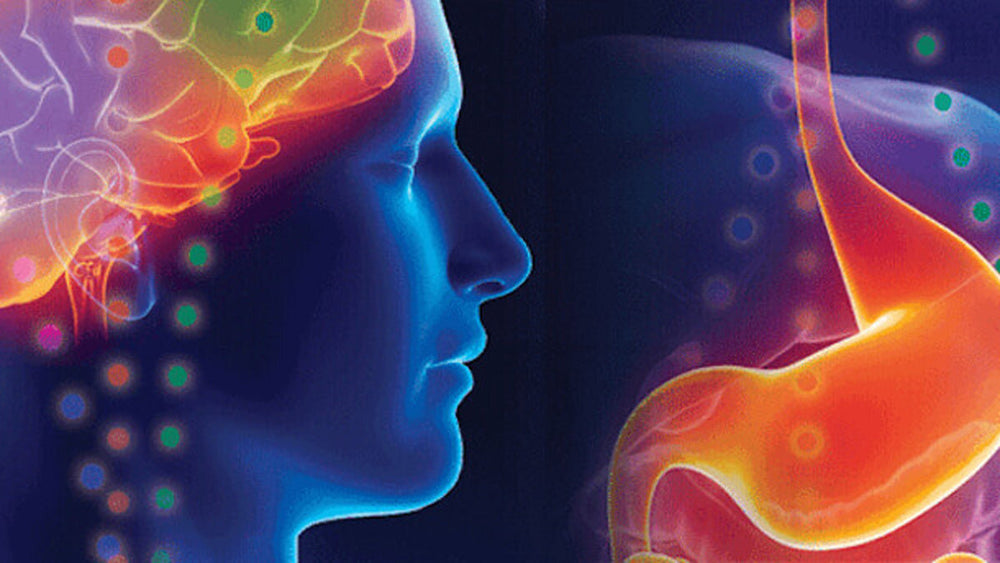
Have you ever noticed that your digestive symptoms worsen when you are stressed, anxious, emotionally overwhelmed, or sleep-deprived? If so, you are not imagining it. The digestive tract and nervous system communicate continuously, and digestive function may change if that communication shifts.
Symptoms like abdominal pain, bloating, constipation, and diarrhea associated with irritable bowel syndrome (IBS) may appear. While some people use the term "neurogenic IBS," it is not a recognized medical diagnosis. IBS is classified as a disorder of gut-brain interaction, emphasizing the nervous system's role without suggesting the symptoms are "all in your head"
Symptoms like abdominal pain, bloating, constipation, and diarrhea associated with irritable bowel syndrome (IBS) may appear. While some people use the term "neurogenic IBS," it is not a recognized medical diagnosis. IBS is classified as a disorder of gut-brain interaction, emphasizing the nervous system's role without suggesting the symptoms are "all in your head"
What Is Neurogenic IBS?
"Neurogenic" refers to conditions influenced by the nervous system. The term "neurogenic IBS" is used informally to describe IBS cases where stress, anxiety, trauma, or poor sleep trigger symptoms. However, physicians do not classify IBS as neurogenic or non-neurogenic. Instead, IBS is understood as a disorder of gut-brain interaction, in which digestive symptoms result from changes in communication between the gut and brain.
During the diagnosis of IBS, it's fundamental to differentiate neurogenic IBS from neurogenic bowel dysfunction, a condition caused by nerve damage affecting bowel function, often linked to spinal cord injuries or neurological diseases like multiple sclerosis. IBS is characterized by recurrent abdominal pain related to bowel movements or changes in stool frequency or appearance. It can manifest as IBS with constipation, diarrhea, or mixed bowel habits. identifies IBS as a disorder of gut-brain interaction rather than a structural intestinal disease.
The Nervous System's Role in Digestion
The nervous system controls both voluntary and involuntary activities through two different systems, the somatic and autonomic nervous systems. The somatic nervous system allows us to perform voluntary actions, such as walking, picking up an object, or chewing food. The autonomic nervous system consists of two branches: the sympathetic and parasympathetic nervous systems. These systems control functions that continue day and night without requiring our conscious attention, including heart rate, blood pressure, breathing patterns, and many digestive processes.
- The sympathetic nervous system becomes more active during danger or stress, preparing the body for survival. In these situations, we may need to run, jump, or fight. The heart beats faster, and more blood is directed toward the muscles; the pupils dilate, and we become more alert. At that moment, digesting food and having a bowel movement are not the body's priorities.
- The parasympathetic nervous system, on the other hand, is more active during calm and relaxed periods. It supports rest and digestion by helping coordinate digestive secretions and the movement of food through the gastrointestinal tract.
Both branches work continuously, adjusting digestive activity according to the body's needs. This is one reason emotional stress or a perceived threat can affect digestion, even when we are not consciously trying to change it.
The gut also has its own local network, called the enteric nervous system. It helps control intestinal contractions, digestive secretions, and the movement of food through the digestive tract. Although it can manage many digestive activities locally, it also communicates continuously with the autonomic nervous system and the brain.
Together, these systems exchange information through nerve pathways, hormones, immune signals, and substances associated with the gut microbiome. Treatments that target this gut-brain communication may help modify stress responses and how the brain processes digestive signals. Gut-directed behavioral therapies are one approach for managing disorders of gut-brain interaction. The American College of Gastroenterology includes gut-focused therapies among the available approaches for managing IBS.
Certain medications, sometimes called gut-brain neuromodulators, may also be prescribed in low doses. They can modify pain signaling and bowel function, even when a patient does not have depression. Choose treatment with a healthcare professional because the right medication and dose depend on the person's symptoms and IBS subtype.
Conclusion
"Neurogenic IBS" may not be an official medical diagnosis, but the nervous system's involvement in IBS is well established. Recognizing the gut-brain connection gives you more options for managing symptoms. The goal is not to decide whether IBS is digestive or neurological. It is about understanding and addressing the complete communication system that connects the gut, the nervous system, daily experiences, and overall health.
FAQs
Is neurogenic IBS a real medical diagnosis?
“Neurogenic IBS” is not a formally recognized IBS diagnosis or subtype. The term is sometimes used informally when IBS symptoms appear strongly connected with stress or nervous system activity. Clinically, IBS is classified as a disorder of gut-brain interaction, which recognizes the important role of communication between the digestive tract and nervous system.
How can the nervous system trigger IBS symptoms?
The brain, autonomic nervous system, enteric nervous system, and digestive tract continually exchange signals through the gut-brain axis. Stress and other factors can influence intestinal movement, sensitivity, and how the brain processes signals coming from the gut, potentially contributing to symptoms such as abdominal pain, diarrhea, constipation, or bloating.
Is neurogenic IBS the same as neurogenic bowel dysfunction?
No. Neurogenic bowel dysfunction results from nerve damage or neurological disease that interferes with bowel control and may occur with conditions such as spinal cord injury or multiple sclerosis. IBS does not require nerve damage and is instead considered a disorder involving altered gut-brain interaction.
Can calming the nervous system help manage IBS symptoms?
For some people, addressing the gut-brain connection can be an important part of IBS treatment. Gut-directed behavioral therapies and certain gut-brain neuromodulator medications may be used alongside dietary, lifestyle, and other medical approaches. Treatment should be individualized according to symptoms, IBS subtype, and guidance from a healthcare professional.
References
1Huebner, E., Deiss-Yehiely, N., & Howard, V. (2026, February). Irritable bowel syndrome (IBS). American College of Gastroenterology. https://gi.org/topics/irritable-bowel-syndrome/
2Sharkey, K. A., & Mawe, G. M. (2023). The enteric nervous system. Physiological Reviews, 103(2), 1487–1564. https://doi.org/10.1152/physrev.00018.2022
3Drossman, D. A., & Hasler, W. L. (2016). Rome IV—Functional GI disorders: Disorders of gut-brain interaction. Gastroenterology, 150(6), 1257–1261. https://doi.org/10.1053/j.gastro.2016.03.035
4Mearin, F., Lacy, B. E., Chang, L., Chey, W. D., Lembo, A. J., Simren, M., & Spiller, R. (2016). Bowel disorders. Gastroenterology, 150(6), 1393–1407.e5. https://doi.org/10.1053/j.gastro.2016.02.031
5Keefer, L., Ballou, S. K., Drossman, D. A., Ringstrom, G., Elsenbruch, S., & Ljótsson, B. (2022). A Rome Working Team report on brain-gut behavior therapies for disorders of gut-brain interaction. Gastroenterology, 162(1), 300–315. https://doi.org/10.1053/j.gastro.2021.09.015
6Drossman, D. A., Tack, J., Ford, A. C., Szigethy, E., Törnblom, H., & Van Oudenhove, L. (2018). Neuromodulators for functional gastrointestinal disorders (disorders of gut-brain interaction): A Rome Foundation Working Team report. Gastroenterology, 154(4), 1140–1171.e1. https://doi.org/10.1053/j.gastro.2017.11.279
7Lacy, B. E., Pimentel, M., Brenner, D. M., Chey, W. D., Keefer, L. A., Long, M. D., & Moshiree, B. (2021). ACG clinical guideline: Management of irritable bowel syndrome. The American Journal of Gastroenterology, 116(1), 17–44. https://doi.org/10.14309/ajg.0000000000001036


















 Recipes
 Products

Comments
Join The Conversation...