


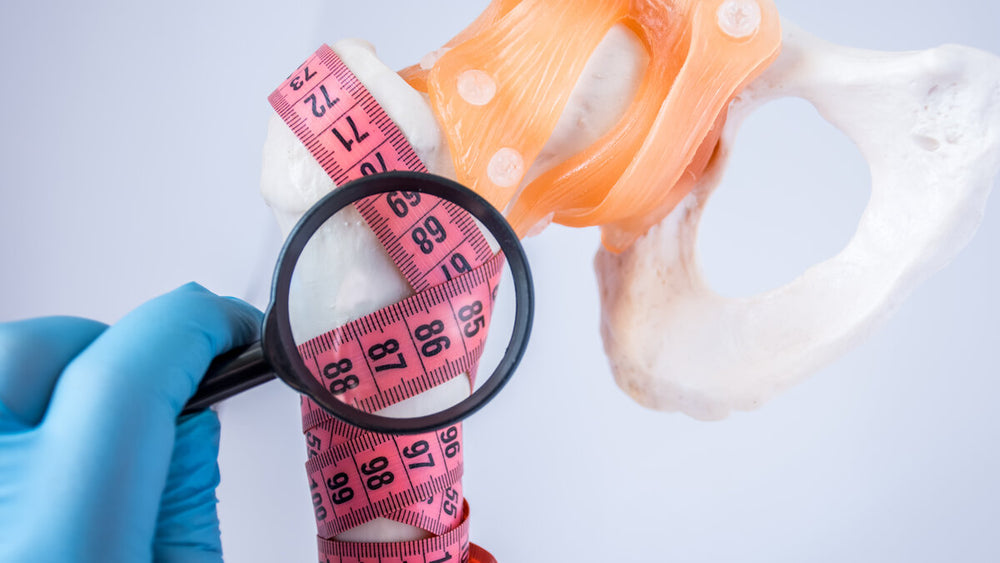
GLP-1 Medications and Osteoporosis Risk: What You Should Know
Obesity is a public health concern that is widely treated by GLP-1 medications. With millions of Americans using GLP-1s, many are wondering how the use of these medications affects another public health concern: osteoporosis. Evidence on the relationship between the two is emerging, but we already have some useful information.
What Are GLP-1 Medications?
GLP-1 receptor agonists are a class of medications used to treat diabetes and initiate weight loss. GLP-1 stands for glucagon-like-peptide-1, which is a hormone naturally produced by our body that slows digestion, regulates insulin and glucagon secretion, and reduces appetite. A combination of these factors can decrease total caloric intake, leading to weight loss. Its effects on insulin and glucagon help control blood glucose, making it a leading option for managing diabetes mellitus.
Why Bone Health Matters
When we lose weight, more than just our body fat is affected. Both muscular health and skeletal health may be impacted. Our skeletal system is the literal foundation of our body. Bone density is the measure of minerals, mostly calcium, that make up our bones. High bone density indicates a stronger skeletal system and reduces the risk of fractures and other injuries.
Low bone density can be characterized as osteopenia (early-stage bone loss) or osteoporosis (more advanced bone loss). It affects women more so than men, and the risk of osteoporosis increases as we age. Lifestyle factors increasing the risk of osteoporosis include smoking and alcohol consumption, physical inactivity, and poor diet quality. Weight loss may be another risk factor.
Bone Health and Weight Loss
While bone density is more closely correlated with total lean body mass (muscle mass), we do see some trends between weight status and bone status. People who are underweight tend to have lower bone density than people who are overweight or obese. Several studies have shown that bone density decreases with weight loss. The greater the weight loss and the shorter the time frame, the bigger the impact compared to more moderate or slower weight loss.
GLP-1 medications often cause rapid weight loss. This suggests that GLP-1s may increase the risk of bone loss or osteoporosis. Research has linked semaglutide use, one type of GLP-1, with increased risk of fracture in older adults. Tirzepatide, another GLP-1 renowned for its effects on quick weight loss, has also been linked with a greater impact on osteoporosis risk.
There are several hypotheses regarding why weight loss from GLP-1s affects bone density. Mechanically, rapid weight loss can lower muscle mass and the weight load on the skeletal system. This may signal that the bones are losing mass. Hormonal changes, such as decreased estrogen levels, may also play a role. Bone loss could even be a secondary result of reduced food intake of important bone-building nutrients like calcium and vitamin D.
How to Support Bone Health While Taking GLP-1 Medications
Regardless of the cause of bone loss, there are steps GLP-1 users can take to reduce the risk of osteoporosis.
Step #1: Obtain adequate calcium and vitamin D.
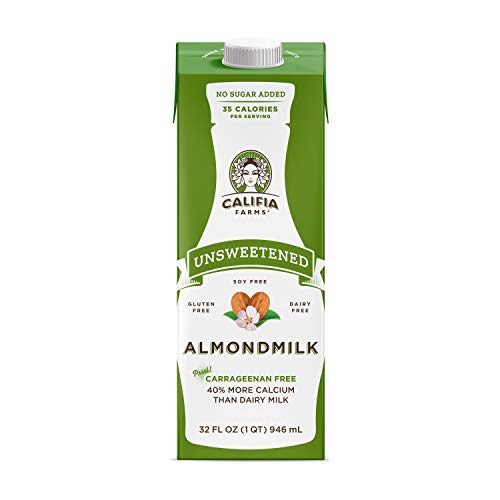
Our bones are our body’s calcium storage center. When we don’t consume enough calcium, our bodies begin to take it from the bones. To prevent this from happening, aim for multiple sources of calcium daily. Dairy products, whole soy food products, fortified juices and cereals, and some plant foods contain calcium. The recommended daily amount of calcium for most adults is between 1,000 and 1,200 mg daily.
Vitamin D helps our body absorb and use calcium in the bones. We mostly get vitamin D from sunlight, but it is also found in some salmon, mushrooms, and fortified foods.
Step #2: Eat enough protein.
When we lose fat rapidly, we also lose muscle mass. As mentioned earlier, decreased skeletal muscle mass may trigger the body to “unload” our bone density. To preserve muscle mass, protein is essential. While protein needs vary greatly from person to person, plan to prioritize it at every meal and snack.
Step #3: Increase weight-bearing activity.
Resistance exercise not only helps slow bone loss but may even help build bone. Walking, running, weightlifting, jumping, and body weight exercises are a few ways to incorporate weight-bearing movement into your exercise routine. If you have already been diagnosed with osteoporosis, it is important to discuss safe levels of exercise with your doctor to prevent fractures.
Step #4: Monitor bone health with your healthcare provider.
If you know or suspect that you are at increased risk for osteoporosis, have an ongoing discussion with your physician. They may choose to monitor your bone density more closely. If you are unable to obtain enough calcium or vitamin D, your doctor can help recommend a supplement. Lastly, if your bone health warrants a change in GLP-1 or a dosage adjustment for osteoporosis risk management, your physician will be your greatest ally.
Most medications have some type of side effect. When it comes to GLP-1 and bone loss, osteoporosis does not have to be inevitable. Intentional diet, exercise, and monitoring can help you to keep your bones strong while losing weight.
FAQs
Do GLP-1 medications cause osteoporosis?
Current research does not show that GLP-1 medications directly cause osteoporosis. However, rapid weight loss associated with these medications may contribute to bone loss in some individuals, particularly older adults or those with risk factors for low bone density. Maintaining adequate nutrition, staying physically active, and working with your healthcare provider can help support bone health during treatment.
How can I protect my bones while taking a GLP-1 medication?
Supporting bone health starts with getting enough calcium, vitamin D, and protein while participating in regular weight-bearing and resistance exercise. If you're at increased risk for osteoporosis, your healthcare provider may also recommend monitoring your bone density and discussing whether supplementation or other preventive strategies are appropriate.
Should I have my bone density checked while using a GLP-1 medication?
Not everyone taking a GLP-1 medication needs a bone density scan. However, people with additional osteoporosis risk factors—such as older age, postmenopausal status, a history of fractures, long-term steroid use, or rapid weight loss—may benefit from discussing bone density testing with their healthcare provider.
Can I safely lose weight on a GLP-1 medication without harming my bones?
For many people, yes. Gradual, well-supported weight loss combined with adequate protein intake, sufficient calcium and vitamin D, and regular resistance and weight-bearing exercise can help preserve both muscle mass and bone strength while using GLP-1 medications. A registered dietitian and your healthcare provider can help you create a plan that supports healthy weight loss while protecting your long-term bone health.
References
1Shapses, S. A., & Riedt, C. S. (2006). Bone, body weight, and weight reduction: what are the concerns?. The Journal of nutrition, 136(6), 1453–1456. https://doi.org/10.1093/jn/136.6.1453
2Van Loan, M. D., Johnson, H. L., & Barbieri, T. F. (1998). Effect of weight loss on bone mineral content and bone mineral density in obese women. The American journal of clinical nutrition, 67(4), 734–738. https://doi.org/10.1093/ajcn/67.4.734
3Hansen, M.S., Wolfel, E.M., Jeromdesella, S., et al. (2024). Once-weekly semaglutide versus placebo in adults with increased fracture risk: a randomised, double-blinded, two-centre, phase 2 trial. ClinicalMedicine, 72, 2589-5370. https://doi.org/10.1016/j.eclinm.2024.102624
4Hsu, Y. H., Liang, Y. C., Chan, K. C., Chou, Y. H., Wu, H. T., & Ou, H. Y. (2025). Association of tirzepatide use with risk of osteoporosis compared with other GLP-1 receptor agonists: A retrospective cohort study using the TriNetX database. Diabetes research and clinical practice, 230, 112995. https://doi.org/10.1016/j.diabres.2025.112995

















 Recipes
 Products

Comments
Join The Conversation...