


Why Homemade Dressings Are Better for Gut Health
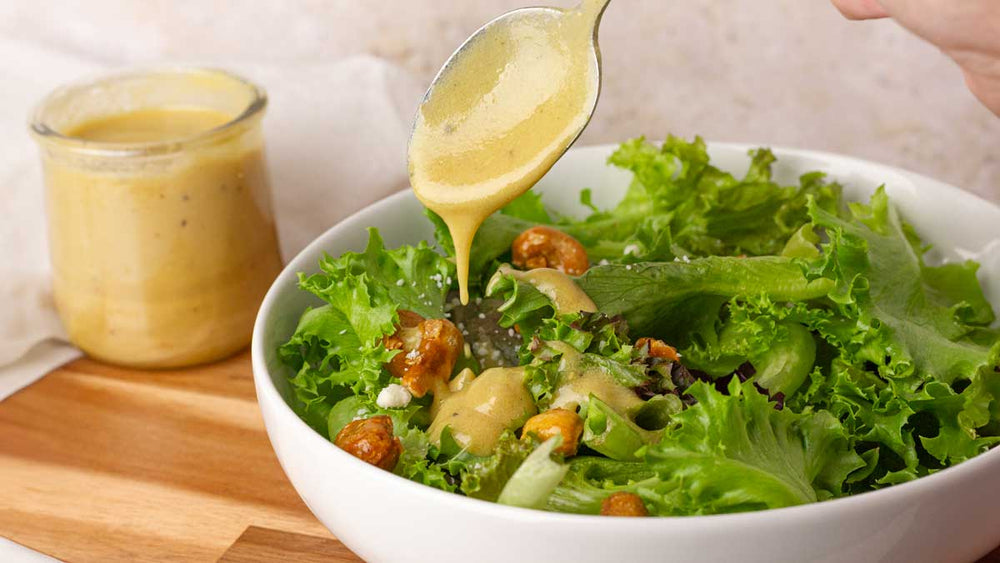
Salad dressings can be incredibly intimidating; if even one ingredient is added in the incorrect amount or used imprecisely (I measure dijon mustard from the heart, which sometimes doesn't work out so well), it can alter the entire flavor profile of the dressing. That said, it can be well worth making salad dressings at home rather than skipping the store-bought options.
Store-bought options, while they can be considered 'healthy', tend to contain industrial oils (i.e., canola oil) as a cost-saving measure. To compensate for a poor oil choice, excessive sugar is often added to cover the taste. Alternatively, high-fructose corn syrup and thickening agents are often added to manufactured dressings to alter taste, adjust consistency, prevent oil from separating, and/or extend shelf life. Despite the additives, store-bought dressings are often very nutritionally bare, lacking prebiotics and probiotics, fresh citrus, and omega-3 fatty acids.
If you are someone who deals with Irritable Bowel Syndrome (IBS) or are currently exploring Low FODMAP options, making salad dressing at home can be a great way to minimize gut triggers and control the ingredient profiles.
Store-bought options, while they can be considered 'healthy', tend to contain industrial oils (i.e., canola oil) as a cost-saving measure. To compensate for a poor oil choice, excessive sugar is often added to cover the taste. Alternatively, high-fructose corn syrup and thickening agents are often added to manufactured dressings to alter taste, adjust consistency, prevent oil from separating, and/or extend shelf life. Despite the additives, store-bought dressings are often very nutritionally bare, lacking prebiotics and probiotics, fresh citrus, and omega-3 fatty acids.
If you are someone who deals with Irritable Bowel Syndrome (IBS) or are currently exploring Low FODMAP options, making salad dressing at home can be a great way to minimize gut triggers and control the ingredient profiles.
The Essential Gut-Friendly Foundation
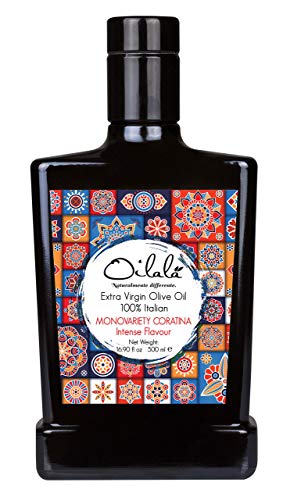
The salad dressing foundation begins with oil. Purchased dressings may contain olive oil, but often also contain hidden soybean or canola oil, which is more inflammatory. Olive oil is an omega-9, fish oil is an omega-3, and soybean oil is an omega-6. Ideally, we'd have a harmonious balance of all omegas, but excessive omega-6 intake can increase inflammation and contribute to digestive distress. The ideal omega ratio is 2:1 (omega-6:omega-3), with some omega-9s sprinkled in for taste.
The standard Western diet has a ratio of approximately 20:1 (omega-6: omega-3), correlating with our high obesity rates, incidences of chronic illness, and overall high levels of inflammation. For this reason, it is typically best to avoid soybean or canola oil as the base for your salad dressing. Instead, look to olive, avocado, or flaxseed oil.
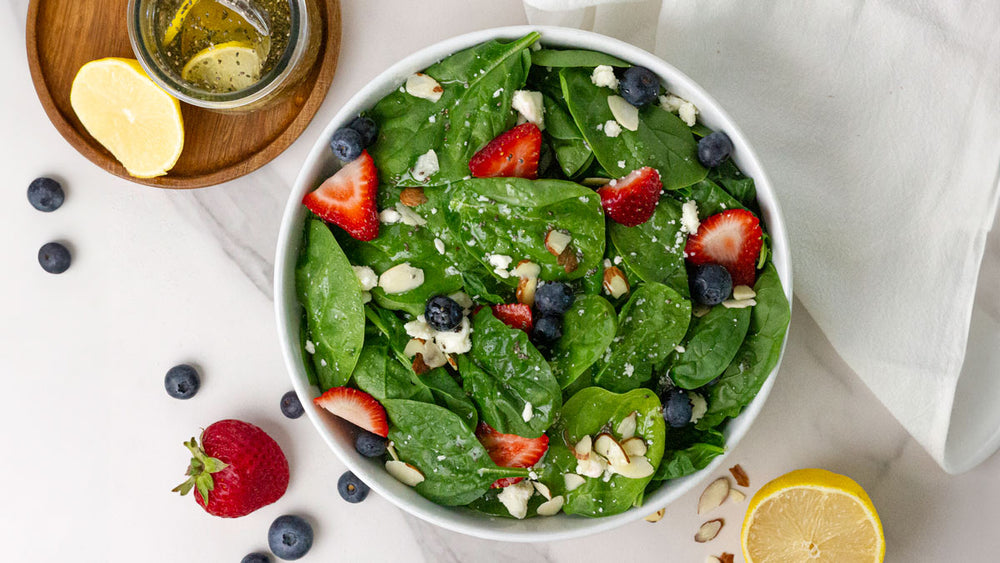
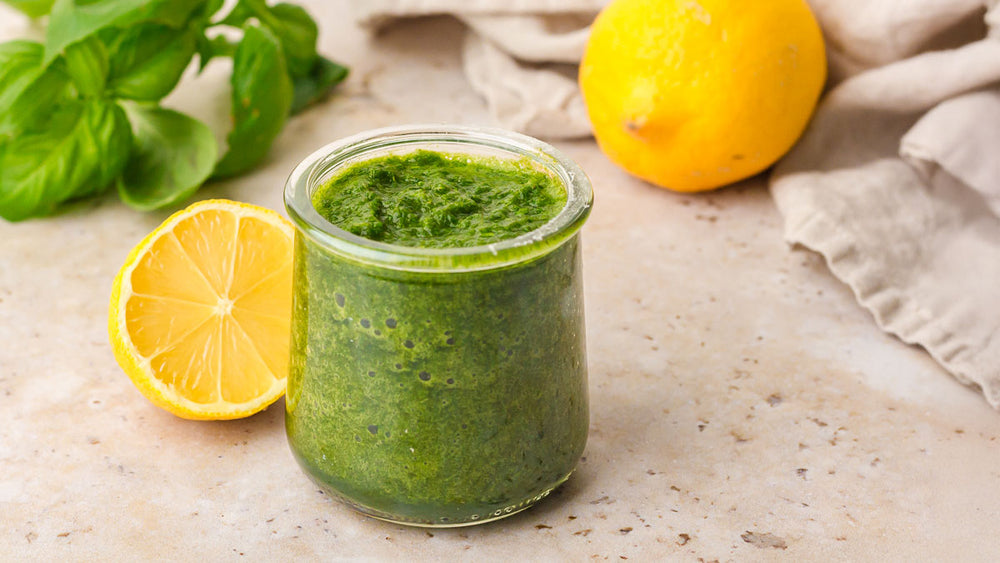
As the oil base builds, acidity starts to play a bigger role. The tangy acids help counteract the oil's fattiness, with added nutritional benefits (hello, vitamin C). Freshly squeezed lemon, lime, or orange juice is never a bad idea when making homemade dressing. Apple cider vinegar can also be used in lieu of citrus, adding some fermentation to support a happy gut. Herbs and spices are the next best step; this is where the flavor profile really starts to develop. A lovely topping may include relish, pickle juice, mustard (Dijon or otherwise), soy sauce, etc.
This is trial and error, and honestly, pretty fun to improvise. If your finished product comes out a bit too sweet, too tangy, or too salty, check out Food52 for optimal corrections.
The standard Western diet has a ratio of approximately 20:1 (omega-6: omega-3), correlating with our high obesity rates, incidences of chronic illness, and overall high levels of inflammation. For this reason, it is typically best to avoid soybean or canola oil as the base for your salad dressing. Instead, look to olive, avocado, or flaxseed oil.
As the oil base builds, acidity starts to play a bigger role. The tangy acids help counteract the oil's fattiness, with added nutritional benefits (hello, vitamin C). Freshly squeezed lemon, lime, or orange juice is never a bad idea when making homemade dressing. Apple cider vinegar can also be used in lieu of citrus, adding some fermentation to support a happy gut. Herbs and spices are the next best step; this is where the flavor profile really starts to develop. A lovely topping may include relish, pickle juice, mustard (Dijon or otherwise), soy sauce, etc.
This is trial and error, and honestly, pretty fun to improvise. If your finished product comes out a bit too sweet, too tangy, or too salty, check out Food52 for optimal corrections.
Recipes for Sensitive Guts (Low FODMAP & Low Acidity)
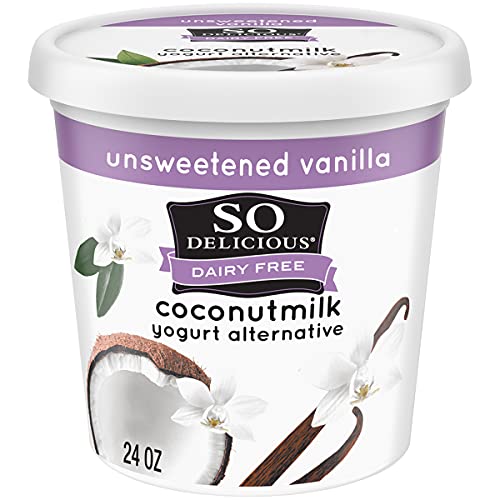
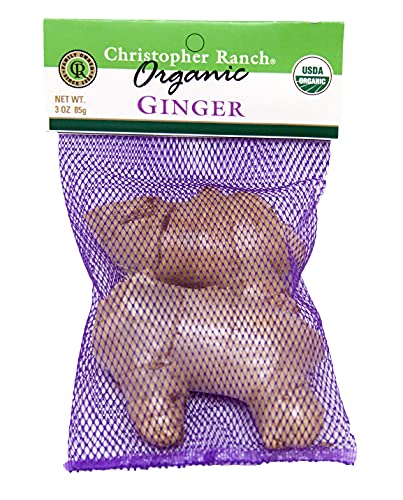
When in doubt, look to the classic vinaigrette with a simple 3:1 ratio: three parts oil, one part acid (can be citrus, vinegar, etc). This easy combo is gentle on the gut while still jazzing up some greens. If probiotics are your jam, look for recipes that incorporate yogurt or kefir, both of which will lend some much appreciated bacteria activity. Sauerkraut (or just sauerkraut juice) can also contribute probiotics to the mixture. If you are interested in an anti-inflammatory approach, consider working with ginger or turmeric. Use caution for these dressings; being heavy-handed with ginger or turmeric is a one-way ticket to a burning mouth and/or belly.
If you are following a Low FODMAP diet, fear not. There are dozens of ingredient combinations that will leave you with a delicious homemade salad dressing.
If you are following a Low FODMAP diet, fear not. There are dozens of ingredient combinations that will leave you with a delicious homemade salad dressing.
FAQs
Are homemade salad dressings healthier than store-bought dressings?
Homemade dressings allow you to control the ingredients, flavors, and nutrient profile of your recipe. This can make it easier to limit added sugars, choose your preferred oils, and avoid ingredients that may trigger digestive symptoms. However, both homemade and store-bought dressings can fit into a healthy eating pattern depending on their ingredients and portion sizes.
What oils work best in homemade salad dressings?
Many people choose oils such as olive, avocado, or flaxseed oil for homemade dressings because they provide unsaturated fats and a mild flavor. The best choice depends on your taste preferences, nutritional goals, and how you plan to use the dressing. Regardless of the oil selected, moderation remains important because all oils are calorie-dense.
Can homemade dressings be adapted for a Low FODMAP diet?
Yes. One advantage of making dressings at home is the ability to avoid high-FODMAP ingredients such as garlic, onion, honey, or certain sweeteners. Using Low FODMAP seasonings, garlic-infused oil, fresh herbs, citrus zest, or suitable vinegars can help create flavorful dressings while supporting individual digestive needs.
Do fermented ingredients in dressings support gut health?
Fermented foods such as kefir, yogurt, and sauerkraut contain microorganisms and compounds that may support gut health as part of a balanced diet. However, the amount of beneficial bacteria present can vary depending on the product and preparation method. A diverse eating pattern rich in fruits, vegetables, whole grains, and other fiber-containing foods remains one of the most evidence-based ways to support a healthy gut microbiome.
What is the easiest homemade salad dressing ratio to remember?
A classic vinaigrette often uses a ratio of three parts oil to one part acid, such as vinegar or citrus juice. This simple formula provides a starting point that can be adjusted with herbs, spices, mustard, or other seasonings to suit your taste preferences.
References
1DiNicolantonio, J. J., & O'Keefe, J. (2021). The Importance of Maintaining a Low Omega-6/Omega-3 Ratio for Reducing the Risk of Autoimmune Diseases, Asthma, and Allergies. Missouri medicine, 118(5), 453–459. https://pmc.ncbi.nlm.nih.gov/articles/PMC8504498/
2Lamb, C. (2015, November 2). How to fix too salty, sweet, or boring salad dressing. Food52. https://food52.com/story/14603-kitchen-rescue-how-to-fix-bad-salad-dressing
3Segal, J. (2024, June 3). Creamy Greek yogurt dressing. Once Upon a Chef. https://www.onceuponachef.com/recipes/greek-yogurt-dressing.html
4Danahy, A. (2021, August 13). Lemon herb kefir salad dressing. Craving Something Healthy. https://cravingsomethinghealthy.com/lemon-herb-kefir-salad-dressing/
5Kazan, S. (2022, October 20). Japanese ginger salad dressing (restaurant style). Alphafoodie. https://www.alphafoodie.com/ginger-salad-dressing/
6Rasmussen, L. (2025, October 28). Copycat trader Joe’s almond butter turmeric dressing. My Quiet Kitchen. https://myquietkitchen.com/ginger-turmeric-dressing-trader-joes-copycat/












 Recipes
 Products
Comments
Join The Conversation...