


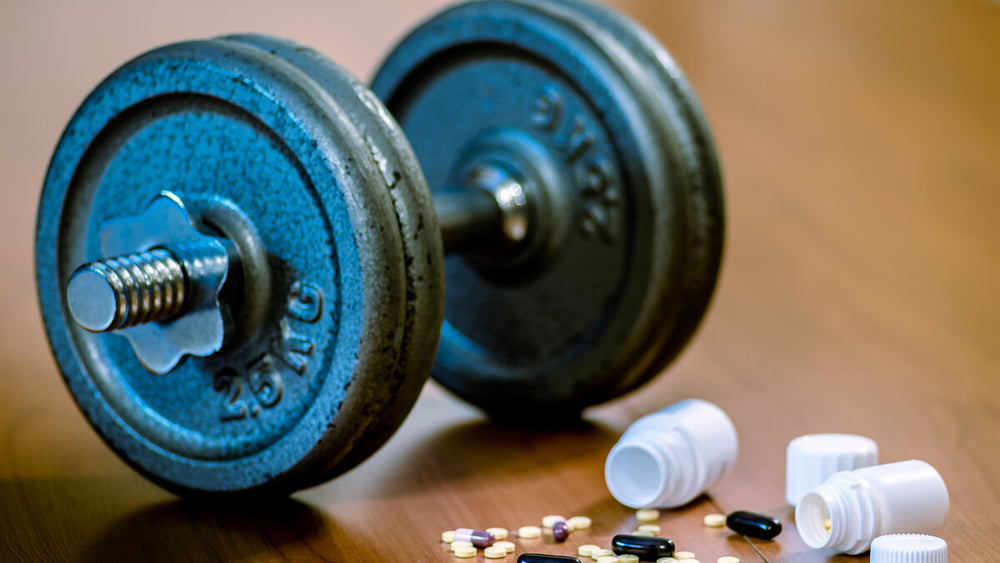
The Promise of "Exercise in a Pill": Defining the Concept
What are Exercise Mimetics? Targeting Biological Pathways
Exercise mimetics are chemical agents that duplicate the effects of adaptations that naturally occur in the body during exercise training. In other words, they are pills intended to give you the health benefits of exercising without having to do the exercise part.
Why This Research is Crucial for Immobile and Chronic Disease Patients
Exercise in a pill could be seen as “cheating” by some, and in fact, some athletes have been suspended for adding exercise mimetics to their regimen to enhance performance. However, some people have physical limitations that prevent them from exercising. Think of spinal cord injury patients, for example. Exercise mimetics could provide an ethical and useful means to enhance their health.
The Cellular Mechanism: Pathways Activated by Exercise Mimetics
Exercise is a powerful tool for driving human adaptation, with exercise promoting the release of muscle-derived chemicals that promote favorable metabolic adaptations. There are numerous receptors and enzymes that offer a potential target for exercise mimetics. I am going to focus on two: PPAR-Delta and AMPK.
PPAR-Delta is a receptor located in the nuclei that, when activated, plays a key role in promoting the growth of mitochondria. Mitochondria, you may remember from biology classes in your youth, are the “powerhouses of the cell.” Mitochondria function to consume oxygen and synthesize ATP, the main chemical we directly use for energy. An exercise mimetic with the catchy name GW501516 has been used to promote mitochondrial growth in muscle cells.
Another key target for exercise mimetics is the enzyme AMPK (adenosine monophosphate kinase), which acts as a key energy sensor activated by exercise. Activating AMPK results in better insulin sensitivity and glucose uptake. In short, one becomes less like a type II diabetic. The exercise mimetic AICAR has been found to enhance insulin sensitivity and improve hypertrophy in mice.
As noted above, PPAR Delta and AMPK are only two of many targets for exercise mimetics. Popular medications, such as GLP-1 agonists and supplements such as NAD+ boosters, would also qualify, and you can click the links to read more about each of them.
Challenges and the Future of Exercise Mimetics
Ethical Considerations and Side Effects
As previously mentioned, cyclists and runners have been sanctioned for using exercise mimetics as Performance-Enhancing Drugs, or PEDs. Obviously, the ability to cheat at sport is not the intention nor the best use of exercise mimetics. Properly viewed, exercise mimetics offer an adjunct therapy to be combined with exercise or used in place of exercise for those with limited or no ability to perform exercise.
All therapies have potential side effects, and concerns with exercise mimetics are centered on their potential to promote unwanted cell growth, namely tumors(!). In comparison, the side effects of exercise are minimal.
The Limitation: Pills Cannot Replace the Full Benefits of Physical Movement
While it has been said that only a Sith speaks in absolutes, I feel safe saying that no pill will ever be able to perfectly duplicate the health benefits of exercise. Exercise has many positive health effects: improvements in cardiorespiratory fitness, insulin sensitivity, fat metabolism, blood pressure, and skeletal muscle mass, as well as reduced inflammation, to name but a few. It stretches the imagination to envision one (or even several) pill that could do all of that. Further, many of the driving stimuli behind exercise-induced adaptations stem from exertion – increased blood pressure and oxidative stress, for two examples. It is hard to imagine a pill that could duplicate that.
FAQs
What is an exercise mimetic?
Exercise mimetics are compounds designed to activate some of the same biological pathways that are triggered during physical activity. Researchers are studying whether these agents can help improve metabolism, insulin sensitivity, muscle function, or mitochondrial health—particularly for people who are unable to exercise due to illness, injury, or disability.
Can an exercise pill replace working out?
No. While exercise mimetics may mimic certain cellular effects of exercise, they cannot replicate all the benefits of physical activity. Exercise improves cardiovascular fitness, muscle strength, balance, bone health, mental well-being, and functional movement in ways that no single pill can currently reproduce.
Who might benefit most from exercise mimetics?
Exercise mimetics may have the greatest potential for individuals who have limited mobility or medical conditions that make traditional exercise difficult. Examples include people with spinal cord injuries, severe physical disabilities, chronic illnesses, or age-related mobility limitations. Researchers are exploring whether these compounds could help support health when exercise is not possible.
Are exercise mimetics safe?
Researchers are still studying the long-term safety of exercise mimetics. Some compounds have raised concerns about unintended side effects, including abnormal cell growth and potential cancer risks. Because many of these therapies remain experimental, more research is needed before they can be widely recommended.
Why are some exercise mimetics considered performance-enhancing drugs?
Certain exercise mimetics can improve endurance, energy metabolism, or muscle adaptations, which may provide an unfair advantage in competitive sports. For this reason, some compounds have been banned by athletic organizations and are considered performance-enhancing drugs (PEDs).
References
1Plaza-Florido, A., Lindholm, M. E., Carrera-Bastos, P., Santos-Lozano, A., Valenzuela, P. L., Fiuza-Luces, C., Radom-Aizik, S., & Lucia, A. (2026). Exercise pills for cardiometabolic health cannot mimic the exercise milieu. Trends in endocrinology and metabolism: TEM, 37(4), 356–370. https://doi.org/10.1016/j.tem.2025.07.005
2Wang, D., Wang, H., Guo, Y., Ning, W., Katkuri, S., Wahli, W., Desvergne, B., Dey, S. K., & DuBois, R. N. (2006). Crosstalk between peroxisome proliferator-activated receptor delta and VEGF stimulates cancer progression. Proceedings of the National Academy of Sciences of the United States of America, 103(50), 19069–19074. https://doi.org/10.1073/pnas.0607948103
4Moore, R. (2009). Riders used two new drugs and hardcore medicines at Tour de France. The Guardian. https://www.theguardian.com/sport/2009/oct/06/tour-de-france-undetectable-drugs
5Misquitta, N. S., Ravel-Chapuis, A., & Jasmin, B. J. (2023). Combinatorial treatment with exercise and AICAR potentiates the rescue of myotonic dystrophy type 1 mouse muscles in a sex-specific manner. Human molecular genetics, 32(4), 551–566. https://doi.org/10.1093/hmg/ddac222
6Fan, W., & Evans, R. M. (2017). Exercise Mimetics: Impact on Health and Performance. Cell metabolism, 25(2), 242–247. https://doi.org/10.1016/j.cmet.2016.10.022
















 Recipes
 Products

Comments
Join The Conversation...