


7 Seasonal Foods to Prep and Freeze This Summer
If you’re from a rural area like me, you know the importance of the seasons when it comes to fruits and vegetables. Autumn is the stereotypical harvest season, but did you know some fruits and vegetables are ready to pick during the summer? If you gather and freeze these foods during their prime time, you’ll be feasting on fresh food all year long!
Care to soak up the sun by taking the polar plunge? Keep reading Foodguides fam, and keep your eyes peeled for some fresh food facts along the way!
Why Freeze Summer's Bounty? Maximizing Flavor and Savings
When you freeze food while it is fresh, you preserve its flavor and your wallet!
Capturing Peak Flavor and Nutritional Value
Once a fruit or vegetable is plucked from its tree, bush, or underground home, the clock starts counting down to deterioration. Enzymes in the fruits and vegetables create chemical reactions that can break down the food’s texture, color, flavor, and nutritional value if left unchecked. Freezing food slows down those enzymes, but doesn’t completely stop them. That is why it is important to only freeze what you know you will eat. Otherwise, you’ll eventually have a freezer full of inedible (and smelly!) food.
Fresh Food Fact #1 - While freezing may be more expensive than other preservation methods (such as drying or canning), it does capture the most flavor and nutritional value.
Cost Savings: Stocking Up When Prices Are Lowest
Every fruit and vegetable has a time during the year when it is considered “in-season”. During this time, there is more supply than demand (time to pull out your Economics textbook if you need a refresher on this law) for these food items, which leads to lower prices. This is the perfect time to select your foods to freeze. You’ll save money when you purchase and save your sanity when you’re craving watermelon in January and don’t want to pay an outrageous price for one.
Fresh Food Fact #2 - The USDA has a perfect guide to tell you when a food is considered “in season”. Take a look here!
Essential Freezing Techniques for Success
Here are some important techniques you’ll want to try when freezing your fruits and vegetables.
The Importance of Blanching (For Specific Vegetables)
Blanching is a two-step process used to preserve fruits and vegetables prior to long-term storage. First, the food item is placed in boiling water or steam, then it is taken out and placed in an ice bath. This action slows the enzymes that break down food, preserving the color, taste, and nutritional value of fruits and vegetables. Each type of fruit and vegetable has a specific blanching time, so be sure to do your research prior to taking the plunge!
Fresh Food Fact #3 - When blanching, use one gallon of water per pound of fruit/vegetable. Leafy green vegetables will require twice as much water.
Flash Freezing (Single Layer) to Prevent Clumping
Once the fruits and veggies are washed, sliced, and diced to perfection, arrange them in a single layer on a sheet pan lined with parchment paper. Make sure the food is not touching. You’ll want space between every slice and cube of fruit/vegetable. This prevents freezer burn and clumping once the flash freezing process is complete.
Choosing the Right Containers and Removing Air
Choosing the right containers for freezing boils down to preference. You’ll want to select an airtight container, which will prevent the food from spoiling prematurely. Select a sturdy material such as glass or silicone. Plastic can also be used, but it is not good for long-term storage. Be sure to check your frozen foods regularly for any evidence of spoilage, mold growth, or air leaks.
The Top 7 Seasonal Foods to Prep and Freeze
Here are our top “picks” for prepping and freezing this summer!
Berries (Strawberries, Blueberries): The Simple Dry-Freeze Method
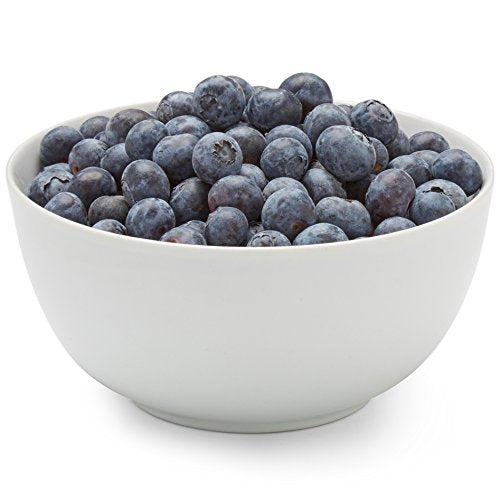
There are numerous ways to dry-freeze berries, but we recommend the simple method, which doesn’t involve expensive machinery. To dry-freeze berries, wash them thoroughly to ensure there is no dirt or pests/insects that could ruin your food (and your appetite). Cut the berries into small pieces (blueberries should be fine as is) to prevent moisture buildup. Place the berries on a large cookie tray or sheet pan, and then put them into the freezer. After a couple of weeks, you will have berries to enjoy year-round!
Fresh Food Fact #4 - To check if the dry-freeze process is complete, remove one berry from the tray and place it on your counter at room temperature. If the berry turns black or darkens, the process is not complete. The goal is to have a berry that does not change color when exposed to room-temperature air.
Sweet Corn: Cutting Kernels Off the Cob for Quick Addition to Dishes
Once you choose the ears of corn you’d like to preserve, shuck the ear (remove the leaves/husk), and blanch the corn for four minutes. Once cooled, cut the kernels from the cob to roughly ¾ of the kernel depth, then place them in a sealed bag. Put the sealed bag in the freezer and thaw when ready to use. By freezing just the kernels, you’ll have a quick and easy addition to any meal or a busy weeknight.
Zucchini/Summer Squash: Prepping for Baked Goods and Soups
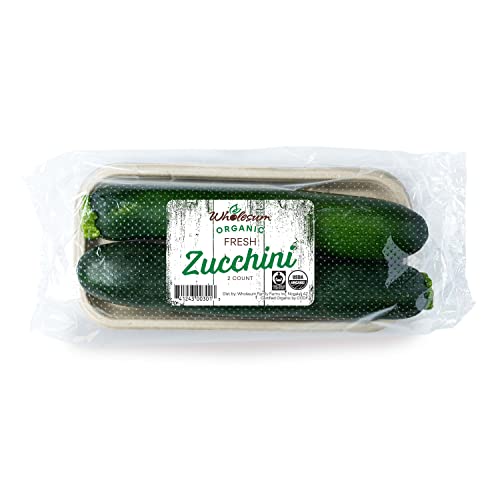
Freezing zucchini and summer squash is simple, but you’ll need to plan ahead for their future use. If you prefer to add them to soups, wash them and then slice them into ½ inch slices. Blanch the slices in water for three minutes. Once cooled, drain all of the water and place the slices in air-tight bags in the freezer. If you prefer to use them for baked goods, follow the same method, but grate/shred the zucchini/squash after washing and blanch for only 1-2 minutes or until the slices are translucent.
Stone Fruits (Peaches, Cherries): Slicing and Pitting for Smoothies and Desserts
Stone fruits (categorized by their central seed or “stone”) can be easily stored to create future smoothies, pies, tarts, and jams. Whether you have a peach, cherry, or apricot, the most important step is to wash them first, then slice the flesh from around the pit. Make sure you remove the skin too. Once this is completed, dice the fruit into small cubes, place them on a tray lined with parchment paper, and freeze. After a few hours, remove the cubes, place the fruit in an airtight bag or container, and return it to the freezer until ready to use.
Tomatoes: Freezing Whole for Winter Sauces and Soups
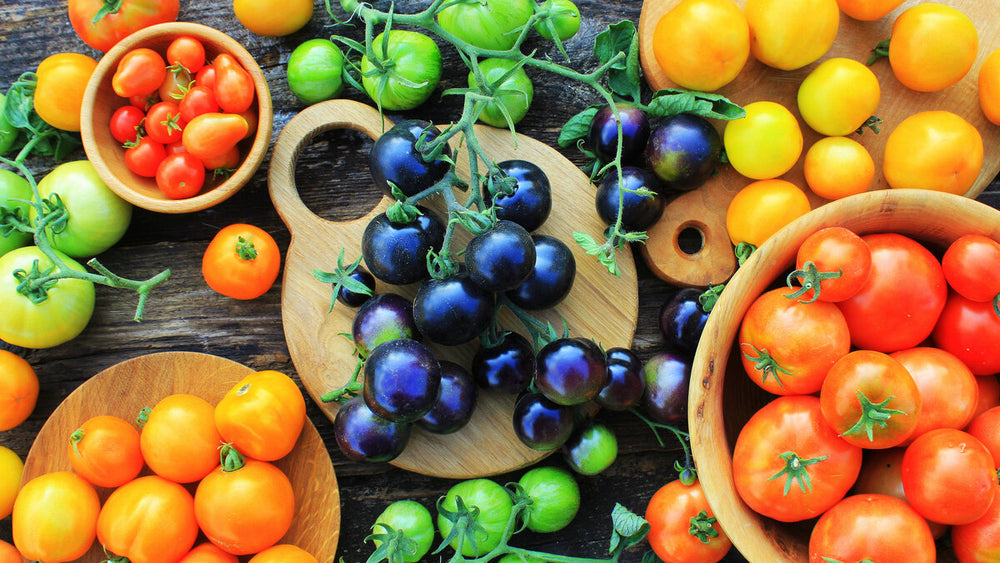
Tomatoes can be frozen using three methods, depending on which type of tomato you’d like to freeze. You can freeze whole tomatoes by simply washing them, then placing them in an air-tight bag or container and storing them in the freezer. This method works best with smaller tomatoes, such as cherry tomatoes. You can also peel and chop tomatoes before freezing, or simply chop them without peeling. These methods are better used on larger tomatoes and those with blemished skins. You’ll have tasty tomatoes ready for soups, sauces, and salsas no matter which method you use!
Bell Peppers & Onions: Diced Mixes for Stir-Fries and Casseroles
There are multiple methods for freezing bell peppers and onions, too! If you prefer to use them for a stir-fry dish or a homemade casserole, wash the vegetables, then dice them into small cubes. Place the pieces on a tray and into the freezer overnight. Once you take them out of the freezer, pack them into air-tight containers/bags based on your desired portion size. Once frozen, bell peppers and onions tend to stick together, so it’s best to portion them out during this step instead of placing them in one large bag to separate later.
If you plan to add bell peppers and onions to fajitas or tacos, try cutting the veggies into long strips prior to freezing. Use the same methods listed above, and you’ll have pre-portioned servings ready for your next Taco Tuesday!
Fresh Food Fact #5 - You can store bell peppers whole, too! Just slice the top off and remove the core and seeds. These are excellent for recipes involving stuffed peppers.
Fresh Herbs (Basil, Dill): Freezing in Oil or Water Cubes
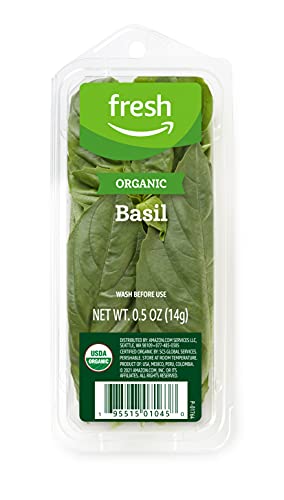
If you’re in a pinch for seasoning, try preparing your herbs in advance! Choose your preferred herbs (e.g., basil, dill, parsley, garlic, cilantro), wash and finely chop them, then add them to an ice cube tray. Select your preferred cooking solvent (butter, oil, water, etc.) and fill the ice tray. Place the tray into the freezer and store it until you’re ready to cook.
Fresh Food Fact #6 - If you’re going to store the cubes long-term, simply remove them from the trays and place them in an airtight plastic bag.
Meal Ideas: How to Use Your Frozen Summer Preps
Check out these recipes from our Expert Contributors! These are perfect to try with your freshly frozen foods!
Straight-to-the-Pan Meals (Corn, Peppers)
- Sheet Pan Fajitas by Caitlin Riley
- GERD-Friendly Balsamic Chicken and Vegetable Bake by Chelsea LeBlanc
Quick Smoothies and Baked Goods (Berries, Peaches)
What will you freeze this summer? What recipes will you try? Tell us in the comments section and share photos with us on social media!
FAQs
Does freezing fruits and vegetables reduce their nutritional value?
Freezing preserves most vitamins, minerals, and antioxidants when produce is frozen soon after harvesting. While small losses of certain nutrients, such as vitamin C, can occur during preparation and storage, frozen fruits and vegetables remain highly nutritious and are an excellent way to enjoy seasonal produce year-round.
Why do some vegetables need to be blanched before freezing?
Blanching briefly heats vegetables before rapidly cooling them in ice water. This process slows the enzymes responsible for changes in flavor, texture, color, and nutrient quality during freezer storage, helping vegetables stay fresher for longer.
How long can frozen fruits and vegetables be stored?
Most properly packaged fruits and vegetables maintain their best quality for 8 to 12 months in a freezer kept at 0°F (-18°C) or below. While they often remain safe beyond this timeframe, their texture and flavor may gradually decline.
What is flash freezing, and why is it helpful?
Flash freezing involves spreading food in a single layer on a baking sheet before transferring it to storage containers. This prevents fruits and vegetables from sticking together, making it easier to remove only the amount you need without thawing the entire batch.
Which summer fruits and vegetables freeze the best?
Berries, peaches, cherries, corn, zucchini, tomatoes, bell peppers, onions, and fresh herbs all freeze well when prepared properly. Freezing seasonal produce is an excellent way to reduce food waste, save money, and enjoy peak-season flavors year-round.
References
1Andress, E. and Harrison, J. (2014). So easy to preserve, Cooperative Extension Service The University of Georgia - Athens, https://nchfp.uga.edu/how/freeze/vegetable/freezing-summer-squash/
2Bluebonnet Baker. (2020). Nuts and bolts: Flash freezing, Bluebonnet Baker, https://www.bluebonnetbaker.com/how-to-flash-freeze/
3Ellis, E. (2025). Blanch before you freeze, Academy of Nutrition and Dietetics, https://www.eatright.org/food/home-food-safety/safe-cooking-and-prep/blanch-before-you-freeze
4Haphazard Homemaker. (2026). How to freeze peppers and onions, Haphazard Homemaker, https://haphazardhomemaker.com/2018/10/03/how-to-freeze-peppers-onions/
5Heer, C. and Marrison, E. (2024). Food preservation: freezing fruits, Ohio State University Extension, https://ohioline.osu.edu/factsheet/HYG-5349
6Levine, M. (2021). Everyone should have herb ice cubes in their freezer, America’s Test Kitchen, https://www.americastestkitchen.com/articles/3022-freezing-herbs-in-ice-cube-trays
7Valley Food Storage. (2019). How to freeze dry food from home without a machine, Valley Food Storage, https://valleyfoodstorage.com/blogs/inside-vfs/freeze-drying-food-from-home-without-a-machine
8The Kiwi Country Girl. (2024). How to freeze tomatoes - 3 methods, In The Kitchen, https://www.thekiwicountrygirl.com/how-to-freeze-tomatoes-3-methods/
9Penn State Extension. (2025). Preserving sweet corn successfully, Penn State Extension, https://extension.psu.edu/preserving-sweet-corn-successfully
10Manning, J. and Currie, D. (2025). The best freezer meal containers to keep your leftovers and meal prep freshly preserves, The Spruce Eats, https://www.thespruceeats.com/best-freezer-containers-5087533














 Recipes
 Products
Comments
Join The Conversation...