


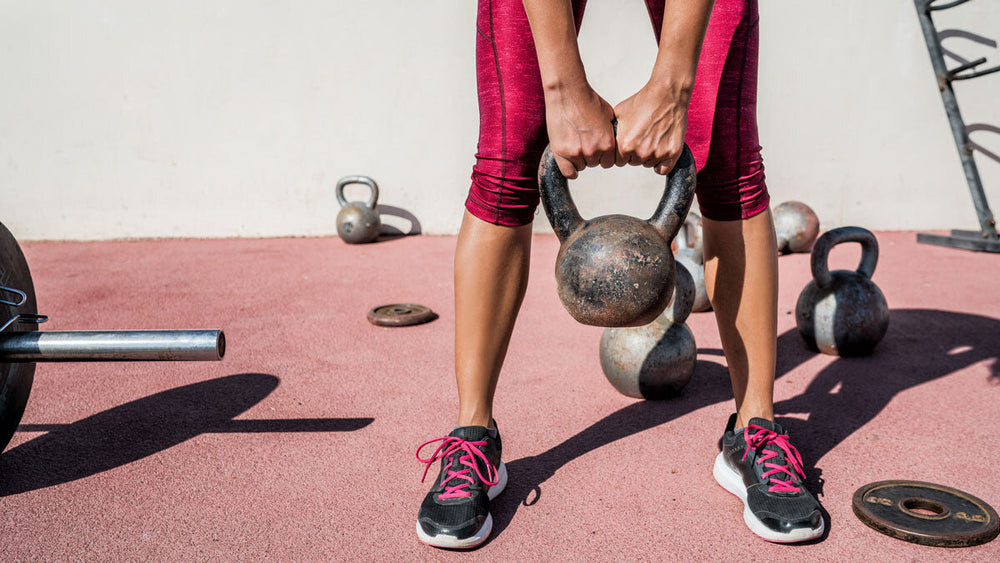
If you suffer from any GI issue, exercise can improve both digestion and immunity…but how?
Your immune system is a complex arrangement of organs, tissues, and cells tasked with recognizing and responding to foreign invaders (bacteria, viruses) to keep them from colonizing your body and preventing abnormal (cancerous) cell growth. The immune system is integrated into virtually every facet of our bodies, from our skin (physical barrier), to our body temperature (physiological barrier – that prevents the growth of some bacteria), to specialized tissues that trap (lymph nodes) and immune cells that directly attack foreign invaders (i.e., white blood cells).
When we eat and drink, we obviously introduce foreign matter into our gastrointestinal (GI) tract, which is essentially a long tube that passes through our bodies. Consequently, the GI tract is an important battleground for host defense. Throughout the GI tract, our immune system offers several layers of host protection. Lymph nodes, which serve as traps for foreign material, are arranged throughout our bodies, but the Gut- Associated Lymphoid Tissue (GALT) serves as the largest mass of lymphoid tissue. As the GI tract is a passageway through, but not technically inside our body, it is colonized by bacteria during our growth and development.
That sounds kind of gross, but it is actually a good and necessary thing.
We need those bacteria in our gut, and ideally exist in a healthy symbiosis with them. Bacteria existing within the gut play a crucial role in the development and maintenance of our immune function. In general, a healthy diversity of gut bacteria is associated with a healthy and appropriate immune response (i.e., fewer allergies).
Exercise and the Immune System
Exercise is a stressor. Each time we exercise, depending on how hard we work, we induce changes to our immune system. High levels of exercise can provoke an inflammatory response that temporarily compromises the integrity of our gut barrier. Regularly exercising helps us cope with stress, and we see lower levels of inflammation with any given amount of exercise as we become fitter.
Moderation is the key to health.
Socrates is credited with the saying “Moderation in all things, including moderation,” and this can certainly apply to exercise. Moderate levels of exercise appear to be linked to improved gut health. Specifically, greater diversity of the gut microbiota and higher levels of intestinal metabolites. In contrast, exercise at levels required for athletic performance is associated with higher levels of gut inflammation and lower gut bacterial diversity.
Where is the cutoff? In terms of intensity, efforts exceeding a value of 70% of VO2 max appear to be the threshold beyond which your gut microbiome becomes threatened. Now, what the heck does 70% of VO2 max mean? In lay terms, it corresponds to a level of effort that most people could work at for about 20 continuous minutes.
This is not to say that high-intensity work is bad. As Socrates says, "Moderation in moderation".
High-intensity activity provides significant benefits for overall fitness and cardiovascular health. Most people will be better off engaging in high-intensity training some days. There is a lot of individual variation in our responses to exercise, but as a guideline, I suggest that most people will benefit from one or two high-intensity sessions in their weekly routine, with the majority of exercise days kept at a moderate pace for optimal health.
- Erika CClaudMDW. AllanWalkerMD, CClaudMD, E., & AllanWalkerMD, W. (2013, September 18). The intestinal microbiota and the microbiome. Gastroenterology and Nutrition: Neonatology Questions and Controversies. Retrieved August 23, 2022.
- Grace-Farfaglia, P., Frazier, H., & Iversen, M. D. (2022). Essential Factors for a Healthy Microbiome: A Scoping Review. International journal of environmental research and public health, 19(14), 8361.
- El Assar, M., Álvarez-Bustos, A., Sosa, P., Angulo, J., & Rodríguez-Mañas, L. (2022). Effect of Physical Activity/Exercise on Oxidative Stress and Inflammation in Muscle and Vascular Aging. International journal of molecular sciences, 23(15), 8713.
- Bonomini-Gnutzmann, R., Plaza-Díaz, J., Jorquera-Aguilera, C., Rodríguez-Rodríguez, A., & Rodríguez-Rodríguez, F. (2022). Effect of Intensity and Duration of Exercise on Gut Microbiota in Humans: A Systematic Review. International journal of environmental research and public health, 19(15), 9518.








 Recipes
 Products
Comments
Join The Conversation...