



Vitamin C Tablets: Benefits, Safe Dosage, and What to Know Before You Take Them
Vitamin C is one of the most used dietary supplements. In a wellness world where supplements are becoming more common and pill burden may be high, many are wondering whether vitamin C deserves a spot in their medicine cabinet.
What Are Vitamin C Supplements
L-ascorbic acid is the formal name for vitamin C. It’s a water-soluble vitamin, meaning the body does not absorb it, so intake is needed on a daily basis. While it is naturally found in many foods (more on that later), vitamin C supplements come in many forms. It can be obtained as chewable pills, swallowable capsules, or powder for standalone use. It is often paired with other nutrients. For example, vitamin C is included in most multivitamins. It’s also regularly combined with iron, zinc, and collagen supplements.
Health Benefits of Vitamin C
Vitamin C has many important functions in the body. Long-term benefits of vitamin C include disease prevention. Dietary intake of vitamin C is linked with reduced risk of certain cancers and cardiovascular disease. This may be because vitamin C is an antioxidant, meaning it helps fight damage caused by free radicals. It can also help prevent iron-deficiency anemia, as vitamin C enhances the body’s absorption of non-heme iron. The essential nutrient is also involved in collagen formation. Skin and joint health may benefit from regular vitamin C intake.
At the acute level, vitamin C’s role in collagen formation makes it a valuable nutrient during wound healing and tissue repair. Vitamin C deficiency can result in decreased immunity. While various mechanisms may contribute to this, the result is an increased risk of infection. This is likely why a large portion of vitamin C supplement users cite cold and flu prevention as their reason.
Research shows that vitamin C supplementation can slightly reduce symptom severity by about 8-14%. However, contrary to popular belief, vitamin C does not seem to prevent colds, and supplementation does not help if you begin taking it after symptoms have started.
Research shows that vitamin C supplementation can slightly reduce symptom severity by about 8-14%. However, contrary to popular belief, vitamin C does not seem to prevent colds, and supplementation does not help if you begin taking it after symptoms have started.
Recommended Vitamin C Intake and Possible Side Effects
The recommended daily intake for vitamin C is 75mg/day for adult women and 90mg/day for men. Pregnant women have a higher requirement of 85mg/day. An additional 35mg/day is recommended for smokers, as smoking depletes the body of its antioxidants at a faster rate.
Vitamin C supplements can be affordable and versatile, but it's important to be mindful of their safety. Because it is water-soluble, vitamin C supplementation is relatively low risk. However, very high doses may cause gastrointestinal distress, including diarrhea and cramping. It is thought that excessive vitamin C intake can increase the risk of kidney stone formation and lead to too much iron absorption in some populations. There are some concerns that vitamin C may interfere with some cancer therapies, including chemotherapy. As a result, individuals at risk of kidney disease, hemochromatosis, or those who are undergoing chemotherapy should discuss supplementation with their doctors prior to starting it.
Food Sources of Vitamin C
Supplements aren’t required for vitamin C intake. In fact, a wide variety of plant foods contain vitamin C.
- Citrus fruits, including grapefruit, oranges, and lemons, are typically associated with vitamin C intake. Their 100% fruit juice counterparts will also be an excellent source.
- Red bell pepper is actually one of the best sources of vitamin C, even compared with citrus fruits. Green, yellow, and orange bell peppers all contain vitamin C, with higher levels as the color progresses.
- Cruciferous vegetables such as broccoli, cauliflower, Brussels sprouts, and cabbage provide good nutrient bang for your buck, making them a great pairing with non-heme iron food sources.
- Fruits, including but not limited to berries, tomatoes, kiwi, and melons, are an excellent source.
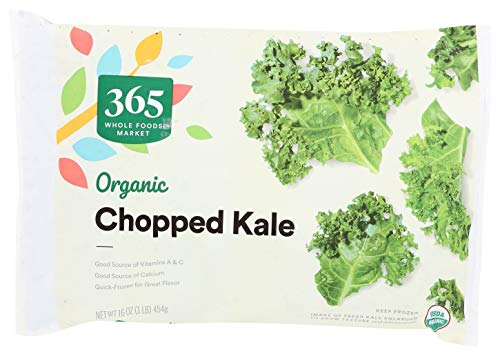
- Dark leafy greens provide about 10% of the daily value of vitamin C per serving.
A minimum of 2.5 cups of fruit and vegetables is recommended for most general, healthy diets. By getting a variety of produce, you’re almost guaranteed to meet or exceed the daily requirement of vitamin C. If there are gaps or inconsistencies in your diet, you may benefit from additional vitamin C supplementation. But as always, it’s a great idea to confer with your healthcare team first.
FAQs
Should I take a vitamin C supplement every day?
Not everyone needs a daily vitamin C supplement. Most healthy adults can meet their vitamin C needs by eating a variety of fruits and vegetables, such as citrus fruits, bell peppers, broccoli, strawberries, and kiwi. However, supplementation may be helpful for people with limited produce intake, certain medical conditions, or increased vitamin C requirements. Talk with your healthcare provider before starting any new supplement.
What happens if you take too much vitamin C?
Because vitamin C is water-soluble, excess amounts are generally excreted in the urine. However, high doses—especially above the tolerable upper intake level of 2,000 mg per day for adults—may cause diarrhea, stomach cramps, nausea, and, in some individuals, increase the risk of kidney stones. It's best to stay within recommended intake levels unless otherwise directed by your healthcare provider.
Is it better to get vitamin C from food or supplements?
For most people, obtaining vitamin C from whole foods is the preferred approach. Fruits and vegetables provide vitamin C alongside fiber, antioxidants, and other beneficial nutrients that work together to support overall health. Supplements can help fill nutritional gaps but should not replace a balanced diet.
Can vitamin C prevent or cure the common cold?
Vitamin C is not a cure for the common cold and has not been shown to prevent colds in the general population. However, research suggests that regular vitamin C supplementation may modestly reduce the duration and severity of cold symptoms for some individuals. Starting vitamin C only after symptoms begin does not appear to provide significant benefits.
References
1Vitamin C. (July 17, 2025). Vitamin C Fact Sheet for Healthcare Professionals. In National Institutes of Health.com. Retrieved April 27, 2026 from https://ods.od.nih.gov/factsheets/VitaminC-HealthProfessional/#h24
2Carr, A. C., & Maggini, S. (2017). Vitamin C and Immune Function. Nutrients, 9(11), 1211. https://doi.org/10.3390/nu9111211
3Douglas, R. M., Hemilä, H., Chalker, E., & Treacy, B. (2007). Vitamin C for preventing and treating the common cold. The Cochrane database of systematic reviews, (3), CD000980. https://doi.org/10.1002/14651858.CD000980.pub3















 Recipes
 Products

Comments
Join The Conversation...