



The Challenge: Reflux, IBS, and Limited Kitchen Access
Irritable bowel syndrome (IBS) is a general term used to describe one or more symptoms of gut dysfunction. A very common condition, according to the Cleveland Clinic, and easy to manage with the right tools in place. Typical symptoms include abdominal pain, gas and/or bloating, diarrhea and/or constipation, among others.
Foods that trigger these symptoms will vary greatly from person to person and may even be unassuming (such as garlic, even in powder form). These symptoms can vary in severity and in trigger, but more often than not do not need significant medical interventions and can be controlled largely through diet modifications, exercise, and other stress-management activities.
Foods that trigger these symptoms will vary greatly from person to person and may even be unassuming (such as garlic, even in powder form). These symptoms can vary in severity and in trigger, but more often than not do not need significant medical interventions and can be controlled largely through diet modifications, exercise, and other stress-management activities.
Dealing with IBS can be tricky on its own, but trying to manage IBS while living in college housing can be even more challenging. There are some unique challenges for university students: shared bathrooms, unpredictable schedules, dining hall food and/or fast/ultra-processed foods, possible exacerbation of symptoms due to stress and alcohol intake, and potentially limited health knowledge due to age and level of education.
Reflux, or stomach acid traveling back up the esophagus and causing a burning sensation, is surprisingly closely linked with IBS. Gastrointestinal reflux disease (GERD) affects the upper gastrointestinal tract, whereas IBS is confined to the lower tract. However, the connection lies in gut sensitivity and motility. In both conditions, the nerves of the digestive tract are more sensitive than normal (a phenomenon called visceral hypersensitivity), meaning even typical amounts of acid, gas, or intestinal stretching can feel painful.
Both IBS and GERD also involve changes in how the digestive tract normally moves (for example, the stomach can have delayed emptying, worsening reflux; the intestines contract when irritated, contributing greatly to IBS symptoms and discomfort). Because of these shared mechanisms, it’s common for people to experience both conditions simultaneously (sorry to add the proverbial cherry on top).
Reflux, or stomach acid traveling back up the esophagus and causing a burning sensation, is surprisingly closely linked with IBS. Gastrointestinal reflux disease (GERD) affects the upper gastrointestinal tract, whereas IBS is confined to the lower tract. However, the connection lies in gut sensitivity and motility. In both conditions, the nerves of the digestive tract are more sensitive than normal (a phenomenon called visceral hypersensitivity), meaning even typical amounts of acid, gas, or intestinal stretching can feel painful.
Both IBS and GERD also involve changes in how the digestive tract normally moves (for example, the stomach can have delayed emptying, worsening reflux; the intestines contract when irritated, contributing greatly to IBS symptoms and discomfort). Because of these shared mechanisms, it’s common for people to experience both conditions simultaneously (sorry to add the proverbial cherry on top).
While this is a lot to digest (ha), students can absolutely successfully manage IBS (and possibly GERD) while still focusing on school.
When discussing your IBS symptoms with your primary care or gastrointestinal providers, consider whether following a Low FODMAP diet might be the best place to start. If so, this will take precedence. This process is extensive, but when done correctly, it helps you identify triggering foods or ingredients to avoid or consume in smaller amounts in the future. Take a look at this page and the associated articles to dive deeper into FODMAP. Not all IBS cases will be recommended to start a Low FODMAP diet, but will likely be encouraged to practice body awareness and consider trying foods with simple (vs. single) ingredients to rule out reactions. GERD management also consists of dietary interventions, but may be managed medically with drugs such as Pepcid or Protonix.
The "Easy-Carry" Reflux-Friendly Snack List
Let's chat about bananas and melons: both are affordable and relatively available (e.g., bananas are now at gas stations), both can be kept in various ways to prolong shelf life (e.g., freezing a portion), and both are considered Nature’s antacids. While bananas are not an established treatment for GERD in clinical practice guidelines, research shows they have gastroprotective effects against ulcer formation (ulcers can worsen GERD symptoms).
Much less researched, melons are also often cited as a GERD aid. Johns Hopkins explains why: all foods fall somewhere along the pH scale (an indicator of acid levels). Those that have a low pH are acidic and more likely to cause reflux. Those with higher pH are alkaline and can help offset strong stomach acid. Examples of alkaline foods include, you guessed it, bananas and melons (cauliflower, fennel, and nuts are also alkaline). Overeating can quickly worsen GERD symptoms; it is recommended to follow a high-fiber diet to help with the sensation of fullness and prevent overeating. This looks like: whole grains, fruits and vegetables, nuts and seeds. See below for a list of reflux-friendly snacks and some unique ways to enjoy them.
Much less researched, melons are also often cited as a GERD aid. Johns Hopkins explains why: all foods fall somewhere along the pH scale (an indicator of acid levels). Those that have a low pH are acidic and more likely to cause reflux. Those with higher pH are alkaline and can help offset strong stomach acid. Examples of alkaline foods include, you guessed it, bananas and melons (cauliflower, fennel, and nuts are also alkaline). Overeating can quickly worsen GERD symptoms; it is recommended to follow a high-fiber diet to help with the sensation of fullness and prevent overeating. This looks like: whole grains, fruits and vegetables, nuts and seeds. See below for a list of reflux-friendly snacks and some unique ways to enjoy them.
- Bananas: coconut and peanut butter snack bars
- Sliced melon: salted with jalapeno and feta
- Rice cakes: with various toppings
- Snack nuts: store-bought with toppings or as energy balls
- Celery and carrots, ranch suggested
- Dried chickpeas: store-bought or homemade
IBS-Friendly (Low FODMAP) Grab-and-Go Options
As hinted at above, FODMAPs are a group of carbohydrates that can irritate the intestines, particularly in people with IBS. Completely eliminating FODMAP foods is a multi-week process that should be done under the guidance of a physician and a dietitian. However, choosing lower-FODMAP foods will likely help prevent symptoms. Here are typical grab-and-go options you might find on campus:
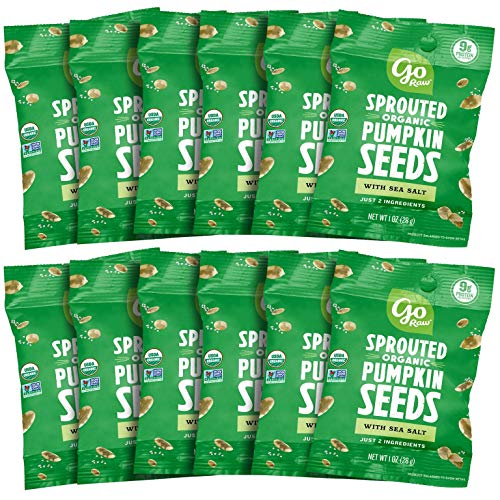
- Pumpkin seeds, likely roasted
- Low-lactose yogurt cup, add blueberries
- Sunflower seed butter with gluten-free crackers
- Hard cheeses, typically paired with crackers
- Carrots
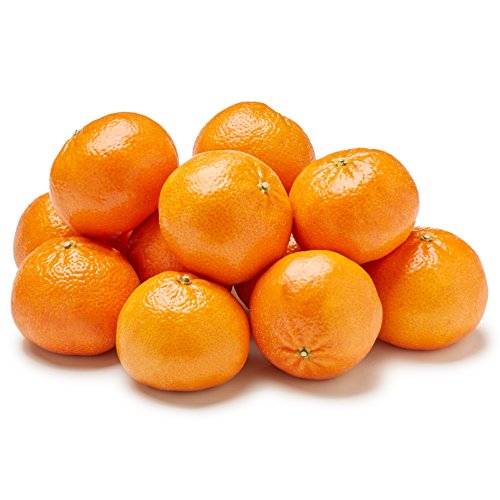
- Oranges
- Boiled eggs
- Nuts, particularly almonds
- Popcorn
- Plain potato or corn chips, in moderation
Explore Monash University for more snack suggestions, recipes, and other resources.
Hydration and Digestive Aids (Dorm Room Essentials)
IBS symptoms, specifically diarrhea, can be very concerning and, over time, lead to severe dehydration. Regardless of your IBS symptoms, remaining adequately hydrated can make all the difference. Instead of consuming a significant amount of water in one sitting, try spreading it out throughout the day.
Consistent hydration can be especially important when dealing with diarrhea. Not likely to worsen your symptoms, peppermint or ginger tea can also soothe the digestive tract (suggest just with hot water, no honey or artificial sweeteners) while providing hydration. Check out Monash University for electrolyte replacement solutions and beverages.
Consistent hydration can be especially important when dealing with diarrhea. Not likely to worsen your symptoms, peppermint or ginger tea can also soothe the digestive tract (suggest just with hot water, no honey or artificial sweeteners) while providing hydration. Check out Monash University for electrolyte replacement solutions and beverages.
When dealing with IBS and GERD, it may be best to avoid soda and/or energy drinks (even coffee, in excess). These naturally or artificially sweetened beverages can exacerbate both GERD and IBS symptoms, with the most typical response being increased bloating and pain. Caffeine is not a benign component either. With IBS, coffee tells the colon to contract frequently, which can trigger bloating, diarrhea, and pain.
Similar to GERD, coffee can relax the lower esophageal sphincter, making it much easier for stomach acid to escape and rise into the esophagus. You can see how coffee is a double trigger, monitor your bodily responses, and titrate your intake as needed. This may be particularly hard for college students attempting to stay awake and study. Coffee (and caffeine in general) may be tolerated in small or normal amounts, depending on your IBS characteristics.
Similar to GERD, coffee can relax the lower esophageal sphincter, making it much easier for stomach acid to escape and rise into the esophagus. You can see how coffee is a double trigger, monitor your bodily responses, and titrate your intake as needed. This may be particularly hard for college students attempting to stay awake and study. Coffee (and caffeine in general) may be tolerated in small or normal amounts, depending on your IBS characteristics.
Digestive aids might be handy to have in stock. A student at Arcadia University blogs about keeping Imodium on your person whenever leaving the dorm, among other tips and tricks. A heating pad and peppermint oil may help soothe symptoms when you return to your dorm room. And when in doubt, know where the bathrooms are (with love, from a fellow IBS-er).
FAQs
Is it common to have both IBS and GERD?
Yes. Many people experience both IBS and gastroesophageal reflux disease (GERD). Researchers believe this overlap may be related to shared factors such as altered gut motility, visceral hypersensitivity (increased sensitivity of the digestive tract), and communication between the gut and brain. Because symptoms can overlap, it is important to discuss ongoing digestive concerns with a healthcare provider.
What are some easy IBS- and GERD-friendly snacks for college students?
Portable options may include bananas, melon, low-lactose yogurt with berries, hard-boiled eggs, gluten-free crackers with sunflower seed butter, roasted pumpkin seeds, carrots, and small portions of nuts. Since food tolerances vary from person to person, students should pay attention to how specific foods affect their symptoms and adjust accordingly.
Can stress make IBS and GERD symptoms worse?
Yes. Stress can influence digestive function through the gut-brain axis and may contribute to increased symptom severity in both IBS and GERD. Common college-related stressors such as exams, irregular schedules, lack of sleep, and major life transitions may affect symptom control. Stress-management techniques such as exercise, mindfulness, adequate sleep, and counseling support may help reduce symptom burden.
Are energy drinks and coffee bad for IBS and GERD?
Caffeine-containing beverages can be problematic for some individuals. Coffee and energy drinks may worsen reflux symptoms by relaxing the lower esophageal sphincter and can also stimulate intestinal contractions, potentially aggravating IBS symptoms. However, tolerance varies between individuals, and some people may be able to consume small amounts without significant issues.
Should I try the Low FODMAP diet if I have IBS?
The Low FODMAP diet is one of the most well-studied dietary approaches for managing IBS symptoms. However, it is a structured elimination-and-reintroduction process best completed under the guidance of a registered dietitian trained in the Low FODMAP diet. The goal is not to eliminate all FODMAPs forever but to identify personal trigger foods while maintaining a nutritionally balanced diet.
References
1Cleveland Clinic. (2023). Irritable bowel syndrome. Cleveland Clinic. https://my.clevelandclinic.org/health/diseases/4342-irritable-bowel-syndrome-ibs
2Muñoz, R. L. P., Mora, C. P., Parra-Perdomo, L. V., & Rojas, G. (2025). Healing from the Peel: Exploring the Bioactive Potential of Bananas for Gastric Ulcer Management. Journal of agricultural and food chemistry, 73(24), 14689–14706. https://doi.org/10.1021/acs.jafc.4c12972
3Johns Hopkins Medicine. (2021). GERD Diet: Foods That Help with Acid Reflux (Heartburn). www.hopkinsmedicine.org. https://www.hopkinsmedicine.org/health/wellness-and-prevention/gerd-diet-foods-that-help-with-acid-reflux-heartburn
4Uskokovic, S. (2024, May 21). Salted melon salad with jalapeños and feta. Bon Appétit. https://www.bonappetit.com/recipe/salted-melon-salad-with-jalapenos-and-feta
5Agnieszka. (2023, May 2). Healthy rice cake snacks - 6 easy topping ideas. Wholly Tasteful. https://www.whollytasteful.com/healthy-rice-cake-snacks/
6Jen. (2019, April 13). No-Bake Nut & Date Energy Balls. Yummy Healthy Easy. https://www.yummyhealthyeasy.com/no-bake-energy-balls/#recipe
7Rhys-Jones, D. (2021, September 30). Low FODMAP snacks. monashfodmap.com; Monash Fodmap. https://www.monashfodmap.com/blog/low-fodmap-snacks/
8Coping with IBS as a College Student. (n.d.). Arcadia University. https://www.arcadia.edu/student-life/meet-our-students/corin-destefano-27/coping-with-ibs-as-a-college-student/
9Team, T. M. F. (2021, February 24). Meeting high fluid and electrolyte needs on a low fodmap diet. Monash Fodmap. https://www.monashfodmap.com/blog/meeting-high-fluid-and-electrolyte-needs-low-fodmap-diet/

















 Recipes
 Products
Comments
Join The Conversation...