


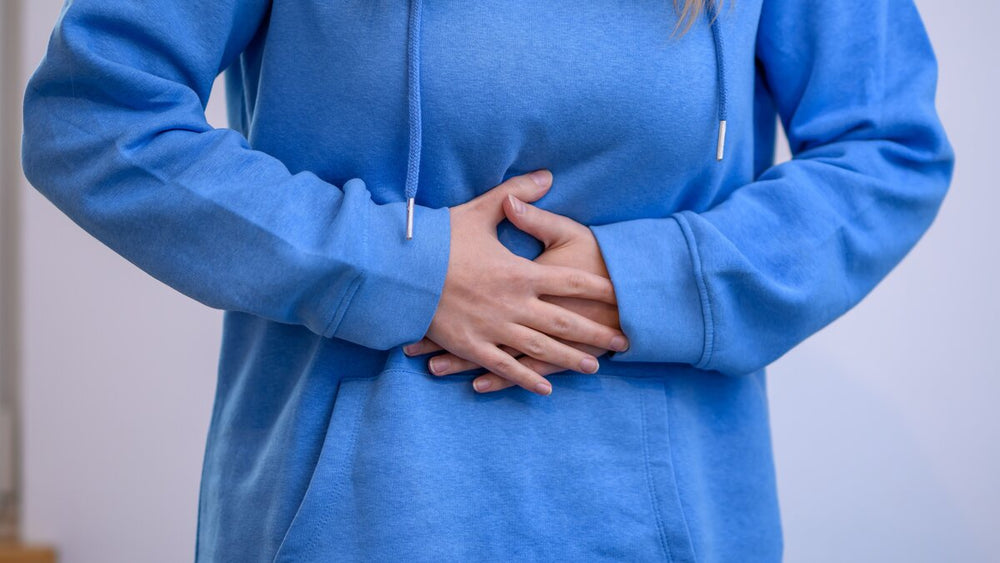
Defining the SIBO-Insulin Resistance Axis
What is SIBO (Small Intestinal Bacterial Overgrowth)?
Small intestinal bacterial overgrowth (SIBO) occurs when bacteria usually found in the large intestine invade the small intestine. This can disrupt digestion and nutrient absorption, leading to gas, pain, bloating, and diarrhea. Furthermore, nutrient deficiencies can result from poor nutrient absorption.
Understanding Insulin Resistance and Metabolic Dysfunction
Insulin resistance occurs when the body’s cells stop responding to insulin. Insulin is a hormone that moves glucose (sugar) from the bloodstream into cells for energy. If the body is not responding to insulin, blood sugar levels rise, prompting the pancreas to produce more insulin, and then a diagnosis of diabetes is made. Metabolic dysfunction or metabolic syndrome is spurred on by insulin resistance, but often other factors like obesity, high blood pressure, and prediabetes can also play a role. Metabolic syndrome usually leads to an increased risk of developing type 2 diabetes, stroke, or heart disease.
The Hypothesis: How Gut Dysbiosis Impacts Blood Sugar Control
An increase in harmful gut bacteria can lead to leaky gut (gut permeability), which in turn increases gut and systemic inflammation and can lead to insulin resistance. Other factors, like altered bile acid metabolism and interference with hormones like GLP-1, also contribute to higher blood sugar levels and increased risk of diabetes. This is why a fiber-rich, plant-based diet is key to promoting a healthy gut microbiome.
The Biological Mechanisms Linking SIBO to Insulin Resistance
SIBO weakens tight junctions in the gut lining, increasing permeability and making the gut more “leaky.” This allows bacteria and inflammatory mediators like lipopolysaccharide (LPS) to leave the gut and enter the bloodstream, causing systemic inflammation. Systemic inflammation, driven by elevated circulating levels of LPS and other inflammatory cytokines, can induce low-grade inflammation throughout the body, impairing glucose metabolism and insulin production. In addition to the above, reduced levels of short-chain fatty acids, such as butyrate, and increased levels of branched-chain amino acids can worsen insulin resistance.
Nutritional Interventions for Dual Management
Thankfully, some strategies can impact the gut microbiome by reducing SIBO, therefore improving insulin sensitivity.
Specifically, a Low FODMAP diet could be beneficial for reducing bacterial overgrowth. This diet is designed to minimize bacterial fermentation from certain foods known to increase gut bacteria.
In addition to Low FODMAP, one might also focus on low-glycemic foods to improve insulin sensitivity. Lower-glycemic foods are often higher in fiber, protein, and healthy fats, which lead to a slower, steadier rise in blood sugar. This allows insulin to react more effectively to carbohydrates.
Alongside a Low FODMAP diet, reducing insoluble fiber intake could also be beneficial for managing SIBO symptoms. Focusing on good sources of soluble fiber can aid in digestion. If you’re going to eat insoluble fiber, cooking may help break it down and make it more tolerable.
Certain probiotic and prebiotic supplements might also be beneficial for gut healing. Saccharomyces boulardii, as well as strains of Lactobacillus and Bifidobacterium, have shown promising results by improving SIBO symptoms and glucose control. With SIBO specifically, prebiotics should be used with caution, as they can promote bacterial overgrowth and fermentation, which would not help the problem. But paired with a probiotic, there might be promising benefits of both. The goal is to build healthy gut bacteria and improve gut health through short-chain fatty acid production, which, in turn, would improve insulin sensitivity.
Lifestyle and Treatment Strategies
Testing and Diagnosis: Breath Tests and Comprehensive Stool Analysis
There are multiple ways to check for bacterial overgrowth, with the most common being a hydrogen breath test. This is a non-invasive and relatively quick method to test. However, its accuracy is often questioned as it may show false positives and false negatives. The gold-standard test is a small-intestine aspirate and culture; however, this is rarely used because it requires an endoscopic procedure to obtain the aspirate. Stool analysis and other blood tests can help identify malabsorption and deficiencies, but they are not considered standard tests for SIBO.
Prokinetics and Motility: Enhancing the Migrating Motor Complex (MMC)
The Migrating Motor Complex (MMC) is the gut's housekeeper- it moves bacteria and debris down the digestive tract, which prevents a stagnant gut where bacteria have the chance to sit and overgrow. Some natural ways to increase motility include taking ginger, artichoke extract, 5-HTP, and melatonin. Other pharmaceutical interventions may also be used to promote motility.
Stress Management and Its Impact on Gut-Brain-Metabolism Axis
Stress management is key to reducing overall inflammation and promoting a healthy gut and metabolism. Practice deep breathing, move regularly, and find activities that invigorate you and give you rest. If your body is stuck in a constant state of stress, it will be a breeding ground for trouble.
If you suspect you might have SIBO or are trying to manage gastrointestinal-related side effects like gas, bloating, changes in bowel movements, etc, talk with your doctor or healthcare provider to find a targeted approach at promoting gut health.
FAQs
What is the connection between SIBO and insulin resistance?
Emerging research suggests that small intestinal bacterial overgrowth (SIBO) may contribute to insulin resistance through increased intestinal permeability ("leaky gut"), inflammation, and changes in the gut microbiome. These factors can interfere with how the body responds to insulin and may affect blood sugar regulation over time.
Can treating SIBO improve blood sugar control?
Potentially. While more research is needed, some studies suggest that addressing bacterial overgrowth and improving gut health may help reduce inflammation and support better insulin sensitivity. Treatment plans may include dietary changes, medications, probiotics, or strategies that improve gut motility.
Is a Low FODMAP diet helpful for SIBO?
A Low FODMAP diet may help reduce symptoms such as bloating, gas, abdominal discomfort, and diarrhea by limiting certain fermentable carbohydrates that feed gut bacteria. However, it is generally intended as a short-term therapeutic diet and should ideally be implemented under the guidance of a registered dietitian to ensure nutritional adequacy.
How is SIBO diagnosed?
The most commonly used test is a hydrogen and methane breath test, which measures gases produced by bacteria after consuming a specific carbohydrate solution. While breath testing is noninvasive and widely available, healthcare providers may also use symptom history, laboratory testing, and other evaluations to help determine whether SIBO is present.
Can probiotics help with SIBO and insulin resistance?
Certain probiotic strains, including Lactobacillus, Bifidobacterium, and Saccharomyces boulardii, have shown promise in supporting gut health and improving symptoms in some individuals. However, probiotics do not work the same way for everyone with SIBO, so it is important to discuss supplementation with a healthcare professional before starting.
What lifestyle habits support both gut health and healthy blood sugar levels?
Regular physical activity, stress management, adequate sleep, and a diet rich in nutrient-dense foods can all support both gut health and metabolic health. Managing stress is especially important because chronic stress can affect digestion, inflammation, and insulin sensitivity through the gut-brain axis.
References
1Small intestinal bacterial overgrowth (SIBO) - Symptoms & causes - Mayo Clinic. (2024, November 11). Mayo Clinic. https://www.mayoclinic.org/diseases-conditions/small-intestinal-bacterial-overgrowth/symptoms-causes/syc-20370168
2Freeman, A. M., Acevedo, L. A., & Pennings, N. (2023, August 17). Insulin resistance. StatPearls - NCBI Bookshelf. https://www.ncbi.nlm.nih.gov/books/NBK507839/
3Metabolic syndrome . Johns Hopkins Medicine. (n.d.). https://www.hopkinsmedicine.org/health/conditions-and-diseases/metabolic-syndrome
4Wen, X., Qi, L., & Zhao, K. (2024). Influence of gut bacteria on type 2 diabetes: Mechanisms and therapeutic strategy. World Journal of Diabetes, 16(1), 100376. https://doi.org/10.4239/wjd.v16.i1.100376
5Utzschneider, K. M., Kratz, M., Damman, C. J., & Hullarg, M. (2016). Mechanisms linking the gut microbiome and glucose metabolism. The Journal of Clinical Endocrinology & Metabolism, 101(4), 1445–1454. https://doi.org/10.1210/jc.2015-4251
6Clinic, C. (2025, July 8). Have SIBO? Here’s the best and worst foods to eat. Cleveland Clinic. https://health.clevelandclinic.org/sibo-diet
7Guevara, D. M., Cañas, S. V., Palacios, I., Gómez, A., Estrada, M., Gallego, J., & Liscano, Y. (2024). Effectiveness of Probiotics, Prebiotics, and Synbiotics in Managing Insulin Resistance and Hormonal Imbalance in Women with Polycystic Ovary Syndrome (PCOS): A Systematic Review of Randomized Clinical Trials. Nutrients, 16(22), 3916. https://doi.org/10.3390/nu16223916
8Small intestinal bacterial overgrowth (SIBO) - Diagnosis & treatment - Mayo Clinic. (2024, November 11). Mayo Clinic. https://www.mayoclinic.org/diseases-conditions/small-intestinal-bacterial-overgrowth/diagnosis-treatment/drc-20370172
9McQuilken, S. A. (2021). Gut motility and its control. Anaesthesia & Intensive Care Medicine, 22(5), 339–342. https://doi.org/10.1016/j.mpaic.2021.04.002
















 Recipes
 Products
Comments
Join The Conversation...