



IBS vs. SIBO: Understanding the Overlap and Key Differences
Is It IBS or SIBO…Or Both?
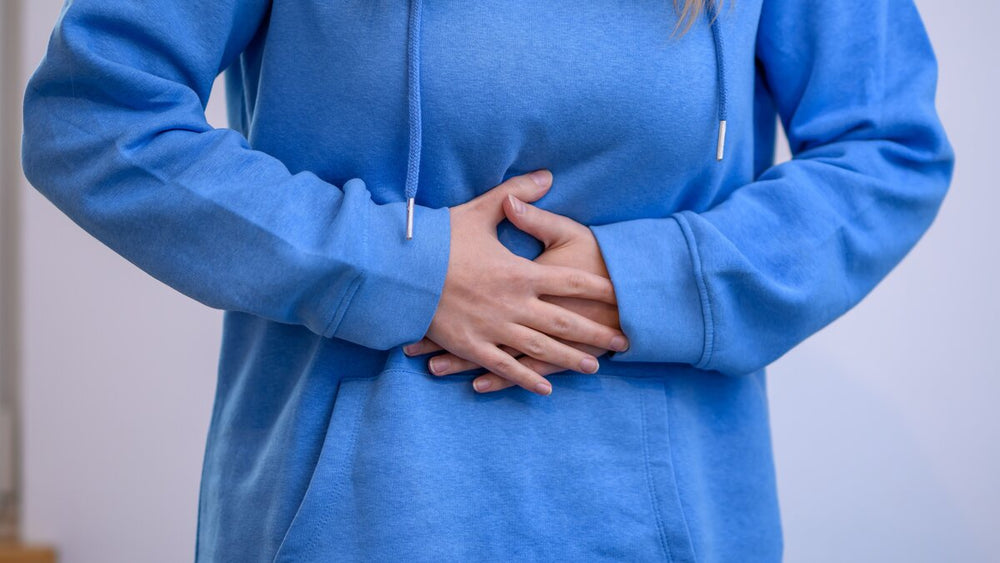
Small Intestinal Bacterial Overgrowth (SIBO) has been steadily making its way into the conversation surrounding IBS—and for good reason. The symptoms can look very similar, including abdominal pain, discomfort, bloating, gas, and changes in bowel habits such as loose stools.
With SIBO, there is an increase in the number and/or type of bacteria in the upper gastrointestinal (GI) tract, specifically the small intestine. This is different from IBS, which is considered a functional gut-brain disorder and does not involve bacterial overgrowth as a primary cause.
Because symptoms overlap so closely, it can be difficult to determine whether someone is experiencing IBS, SIBO, or a combination of both.
What Causes SIBO?
In a healthy digestive system, the body has several protective mechanisms that help prevent bacterial overgrowth in the small intestine. These include stomach acid, normal gut motility, and the structure of the GI tract itself.
With SIBO, one or more of these defense mechanisms may become impaired. This can allow bacteria to accumulate in areas where they are not typically present in high amounts.
In some cases, underlying medical conditions—such as chronic pancreatitis or structural abnormalities—can further contribute to this imbalance. Once overgrowth occurs, it can create a cyclical pattern in which symptoms disrupt digestion and further promote bacterial imbalance.
Factors That Increase the Risk of SIBO
Several factors may increase the likelihood of developing SIBO, including:
- Previous gastrointestinal or abdominal surgery
- Gastrointestinal fistulas
- Medical conditions such as diabetes, Crohn’s disease, or small intestinal diverticulosis
- Gastrointestinal cancers or prior abdominal radiation therapy
- Structural defects or injury to the small intestine
-
Hypochlorhydria (low stomach acid), which may result from:
- Helicobacter pylori infection
- Gastric bypass surgery
- Long-term use of proton pump inhibitors (PPIs) or antacids
- Overuse or misuse of narcotics and antibiotics
These factors can interfere with normal digestion, motility, or bacterial balance within the GI tract.
The IBS and SIBO Connection
Research suggests that 31–80% of individuals with IBS may also have SIBO, highlighting the significant overlap between the two conditions.
While IBS is not caused by bacterial overgrowth, changes in gut motility and sensitivity may create an environment where SIBO can develop. At the same time, SIBO can mimic or worsen IBS symptoms.
This overlap is one reason why persistent or treatment-resistant IBS symptoms may warrant further evaluation for SIBO.
How Is SIBO Diagnosed?
The gold standard for diagnosing SIBO is a quantitative jejunal aspirate and culture, which is performed during an upper endoscopy (EGD). While this method is considered the most accurate, it is invasive and costly, and it may not always detect overgrowth because of its patchy nature.
Because of this, hydrogen or methane breath tests (such as glucose or lactulose breath tests) are more commonly used in clinical practice. These tests are noninvasive but can vary in accuracy and interpretation.
A healthcare provider can help determine the most appropriate testing based on symptoms and medical history.
Nutrition Interventions for SIBO
As with many digestive conditions, several dietary approaches have been explored for managing SIBO symptoms. However, there is currently no single diet that has been proven to be universally effective.
That said, recommendations from the American College of Gastroenterology often overlap with strategies used for IBS management, including:
- Reducing fermentable carbohydrate intake
- Limiting high-fiber foods during symptom flares (in some cases)
- Avoiding inulin (a common prebiotic fiber)
- Limiting sugar alcohols and fermentable sweeteners
Because these foods can be fermented by gut bacteria, reducing them may help decrease gas production and symptom severity.
Where the Low FODMAP Diet Fits In
With approximately 3 out of 4 individuals with IBS reporting symptom relief on a Low FODMAP diet, and a significant overlap between IBS and SIBO, this approach may be a helpful starting point for some individuals.
However, it’s important to note that the Low FODMAP diet is not a one-size-fits-all solution and is not designed to be followed long-term in its most restrictive phase.
As a dietitian, I always emphasize that nutrition is highly individualized. What works for one person may not work for another, which is why working with a Registered Dietitian can be especially valuable. A tailored plan can help identify personal triggers while maintaining nutritional adequacy.
Final Thoughts
IBS and SIBO are closely connected but distinct conditions. Understanding the differences—and the potential overlap—can help guide more effective evaluation and treatment.
If you’re experiencing ongoing digestive symptoms, especially those that are not improving with standard IBS approaches, it may be worth discussing SIBO testing with your healthcare provider.
The most important step is continuing to advocate for your health and working with a care team that can help you find a strategy that works for you.
Learn More
Want a deeper dive into SIBO? Check out the American College of Gastroenterology’s Clinical Guidelines for SIBO.
- Mayo Foundation for Medical Education and Research. (2024, November 11). Small intestinal bacterial overgrowth (SIBO). Mayo Clinic. https://www.mayoclinic.org/diseases-conditions/small-intestinal-bacterial-overgrowth/symptoms-causes/syc-20370168
- Pimentel, M., Saad, R. J., Long, M. D., & Rao, S. S. C. (2020). ACG clinical guideline: Small intestinal bacterial overgrowth. The American Journal of Gastroenterology, 115(2), 165–178. https://doi.org/10.14309/ajg.0000000000000501
- SIBO: Small intestinal bacterial overgrowth. Cleveland Clinic. (2026, January 7). https://my.clevelandclinic.org/health/diseases/21820-small-intestinal-bacterial-overgrowth-sibo
- U.S. National Library of Medicine. (2024, June 11). Small intestine aspirate and culture: Medlineplus medical encyclopedia. MedlinePlus. https://medlineplus.gov/ency/article/003731.htm
-
U.S. National Library of Medicine. (n.d.). Gastrointestinal fistula: Medlineplus medical encyclopedia. MedlinePlus.
https://medlineplus.gov/ency/article/001129.htm















 Recipes
 Products

Comments
Join The Conversation...