


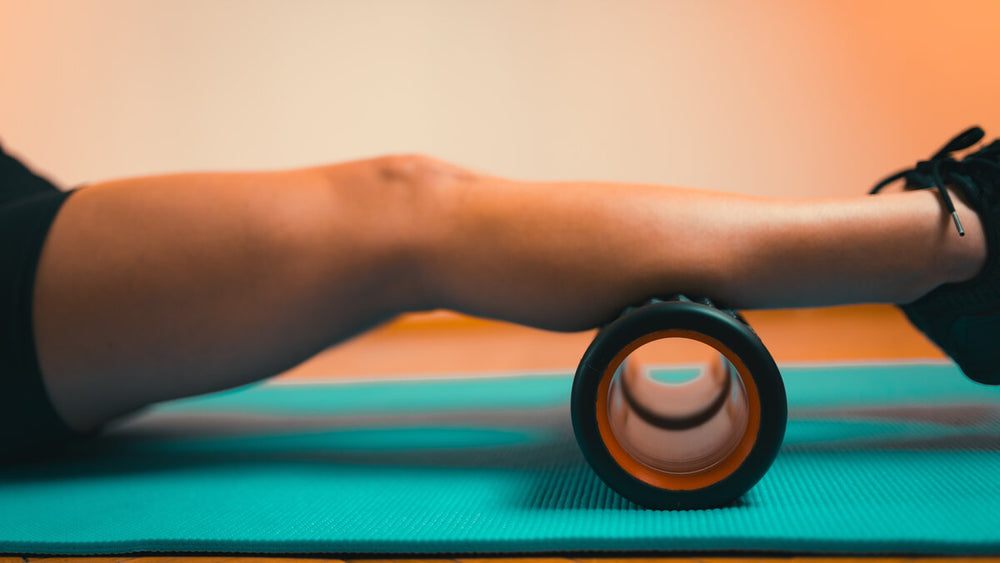
Understanding Foam Rolling: A Form of Self-Massage
What is Self-Myofascial Release (SMR)?
Foam rolling has become a popular self-massage method for warm-up and recovery from high-intensity exercise. Initially marketed as equipment for balance training, foam rollers became popular in the early 2000s for enhancing recovery, promoted by influential figures such as physical therapist Mike Clarke. Now you see them in nearly every gym.
Using a foam roller for self-massage is commonly referred to as self-myofascial release (SMR). Self-myofascial release refers to techniques that apply bodyweight pressure to tender muscle and connective tissue using a foam roller (or other devices, such as lacrosse balls). In theory, this will release tension, increase blood flow, improve range of motion, and enhance one’s readiness for movement.
Foam Rolling to Target Specific Muscles and Fascia
Here are some standard foam rolling techniques:
IT band:
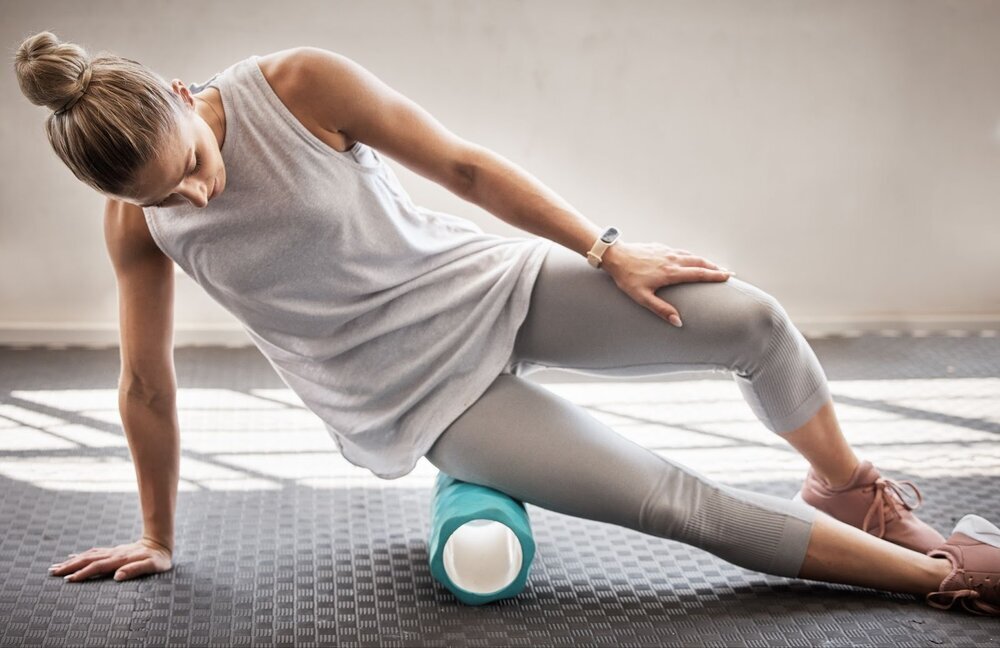
Quadriceps:
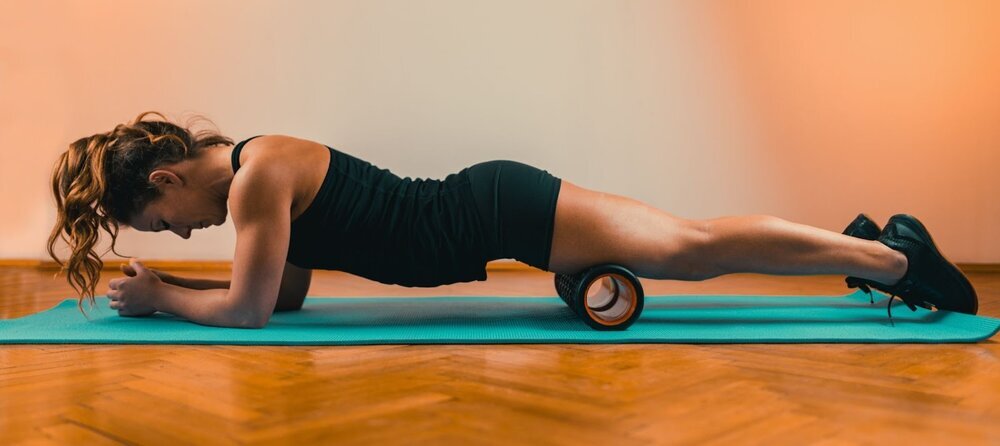
Calf: 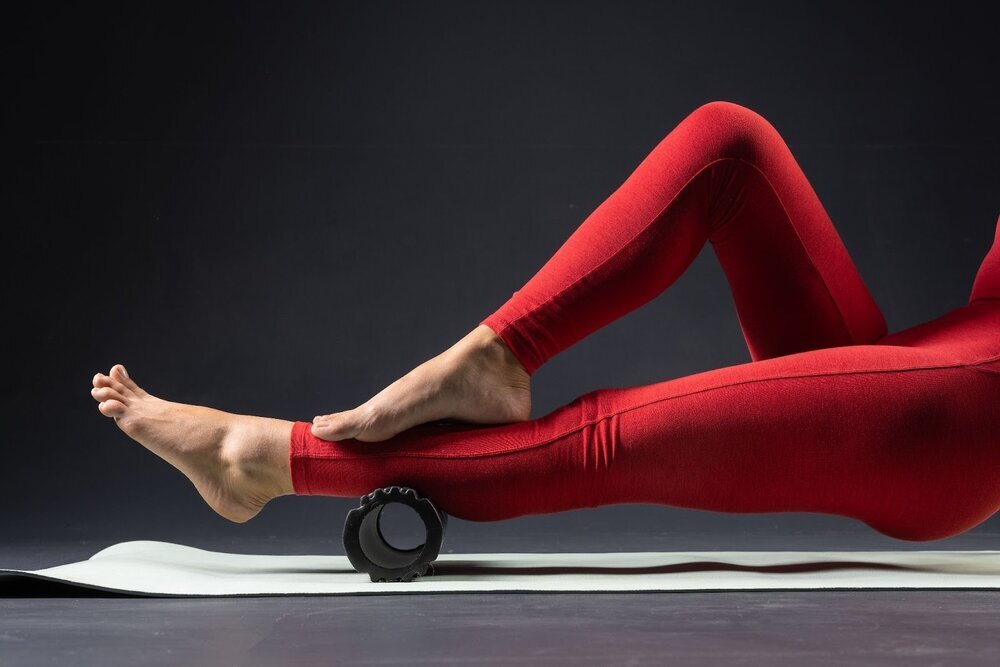
Hamstring: 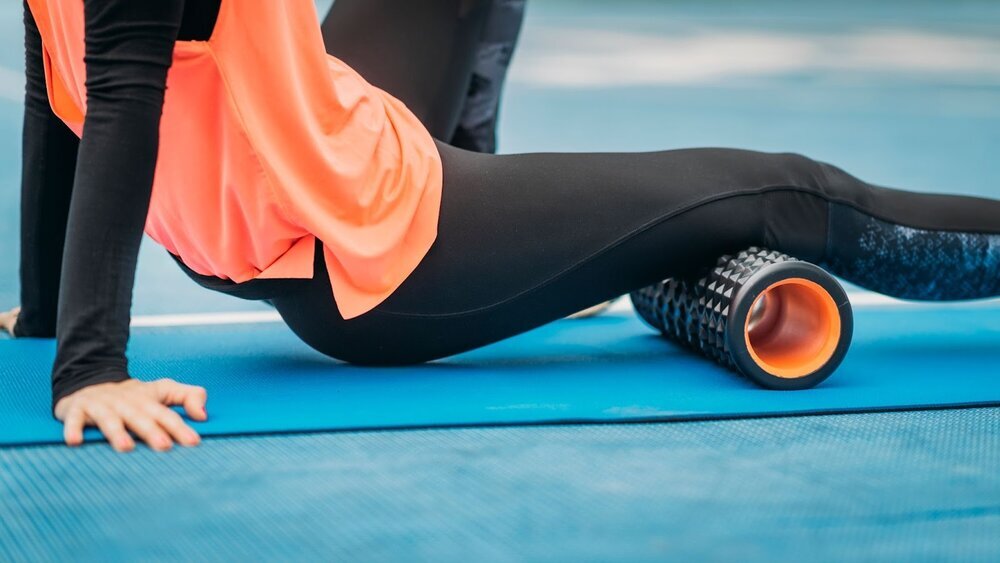
Lower back: 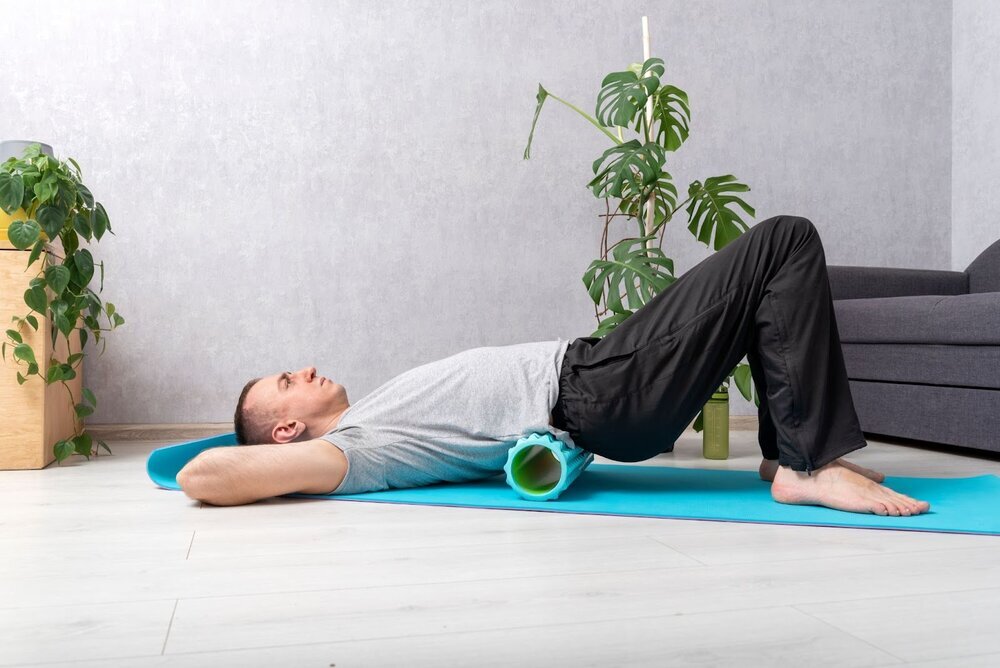
Scientifically Backed Benefits of Foam Rolling
So foam rolling is popular and readily available. Does it work? Here is what the evidence shows about some of the most commonly cited reasons people foam roll.
Improving Flexibility and Range of Motion (ROM)
Does regular foam rolling improve your flexibility? In short, yes. When practiced for 4+ weeks, foam rolling has been shown to improve quadriceps and hamstring range of motion.
It is recommended to perform foam rolling for 2-4 seconds per repetition, continuing for 30-120 seconds per set, for 1-3 sets per body part. If you foam roll in this manner as part of your warm-up routine, it should improve range of motion with minimal risk of reducing maximum strength and power output. Prolonged (30s+) static stretching can temporarily reduce maximum strength and power, which is why it is not usually recommended as a part of your warmup routine before high-stakes performances. Foam rolling, either alone or combined with a dynamic warm-up, can prepare you to move without interfering with maximum speed or force production.
Does foam rolling do anything that you cannot achieve with a dynamic warmup alone? Probably not.
Reducing Delayed-Onset Muscle Soreness (DOMS)
Does foam rolling during your cooldown help reduce the sensation of delayed onset muscle soreness? The DOMS sensation usually sets in a day or two after a heavy workout. It is related to exercise-induced damage to muscle tissue and associated fascia, the inflammatory response to that damage, and the sensitization of pain receptors – with recent research highlighting the role that the fascia play in this experience. In theory, foam rolling after exercise could reduce the sensation of DOMS by improving the ability of fascia to glide over one another.
A meta-analysis examining the impact of foam rolling after high-intensity exercise concluded that it has a preventive effect on muscle soreness. This effect becomes apparent 24h after the initial foam-rolling treatment and is likely the most well-supported use of foam rolling.
Enhancing Post-Exercise Recovery
Does foam rolling after a challenging workout help you get ready for your next workout faster? Another meta-analysis of post-exercise foam rolling found that it helped speed the recovery of strength and sprint performance. In contrast, recovery of jumping performance was not notably affected. Overall, the researchers concluded that the effects of foam rolling on performance are fairly minor.
So foam rolling is not a panacea, but it can be a fun option for your warm-up routine. And foam rolling during cooldown can be a mildly beneficial tool to reduce muscle soreness and possibly speed recovery for your next session.
FAQs
Does foam rolling actually work?
Yes—foam rolling has been shown to provide some measurable benefits, particularly for improving short-term flexibility and reducing delayed-onset muscle soreness (DOMS) after exercise. While it is not a miracle recovery tool, research suggests it can be a useful addition to a warm-up or cooldown routine when used consistently.
Can foam rolling improve flexibility and range of motion?
Research indicates that regular foam rolling can improve joint range of motion and flexibility, especially when practiced over several weeks. One advantage of foam rolling is that it may increase mobility without the temporary reductions in strength or power sometimes associated with prolonged static stretching before exercise.
Does foam rolling help with muscle soreness after a workout?
Yes. One of the most well-supported benefits of foam rolling is its ability to reduce the sensation of delayed-onset muscle soreness (DOMS). Studies suggest that post-exercise foam rolling may help decrease soreness 24–72 hours after challenging workouts and may slightly improve recovery between training sessions.
How long should I foam roll each muscle group?
Current recommendations generally suggest rolling each muscle group for approximately 30–120 seconds per set, completing 1–3 sets per body area. Moving slowly and pausing briefly over tender spots may help maximize the benefits while minimizing discomfort.
Is foam rolling better than a dynamic warm-up?
Not necessarily. Research suggests that foam rolling can improve mobility and prepare the body for movement, but it does not appear to provide major advantages over a well-designed dynamic warm-up. Many people find that combining foam rolling with dynamic movement offers the best balance of mobility, performance, and comfort.
References
1Wiewelhove, T., Döweling, A., Schneider, C., Hottenrott, L., Meyer, T., Kellmann, M., Pfeiffer, M., & Ferrauti, A. (2019). A Meta-Analysis of the Effects of Foam Rolling on Performance and Recovery. Frontiers in physiology, 10, 376. https://doi.org/10.3389/fphys.2019.00376
2Zhou, J., Jia, D., Mao, J., & Xu, Y. (2024). Preventive effect of foam rolling on muscle soreness after exercise: A systematic review and meta-analysis. Journal of bodywork and movement therapies, 40, 1890–1898. https://doi.org/10.1016/j.jbmt.2024.10.009
3Wilke, J., & Behringer, M. (2021). Is "Delayed Onset Muscle Soreness" a False Friend? The Potential Implication of the Fascial Connective Tissue in Post-Exercise Discomfort. International journal of molecular sciences, 22(17), 9482. https://doi.org/10.3390/ijms22179482
4Warneke, K., Plöschberger, G., Lohmann, L. H., Lichtenstein, E., Jochum, D., Siegel, S. D., Zech, A., & Behm, D. G. (2024). Foam rolling and stretching do not provide superior acute flexibility and stiffness improvements compared to any other warm-up intervention: A systematic review with meta-analysis. Journal of sport and health science, 13(4), 509–520. https://doi.org/10.1016/j.jshs.2024.01.006
5Anderson, B. L., Harter, R. A., & Farnsworth, J. L. (2020). The Acute Effects of Foam Rolling and Dynamic Stretching on Athletic Performance: A Critically Appraised Topic. Journal of sport rehabilitation, 30(3), 501–506. https://doi.org/10.1123/jsr.2020-0059
6Behm, D. G., Alizadeh, S., Hadjizadeh Anvar, S., Mahmoud, M. M. I., Ramsay, E., Hanlon, C., & Cheatham, S. (2020). Foam Rolling Prescription: A Clinical Commentary. Journal of strength and conditioning research, 34(11), 3301–3308. https://doi.org/10.1519/JSC.0000000000003765
7Konrad, A., Nakamura, M., Tilp, M., Donti, O., & Behm, D. G. (2022). Foam Rolling Training Effects on Range of Motion: A Systematic Review and Meta-Analysis. Sports medicine (Auckland, N.Z.), 52(10), 2523–2535. https://doi.org/10.1007/s40279-022-01699-8
















 Recipes
 Products

Comments
Join The Conversation...