


Thyroid Health & Nutrition: Key Nutrients, Diet Tips, and Wellness Strategies
Understanding Thyroid Health and Nutritional Needs
The thyroid helps control metabolism by producing and releasing specific hormones that either accelerate or slow down the metabolic rate. This is the rate at which your body breaks down energy from the food you eat to allow for consistent functioning. Your thyroid also plays a role in gastrointestinal motility, which refers to the process by which food moves through the gastrointestinal tract. Outside of nutrition, the thyroid is involved in various bodily processes, including those related to the reproductive system, cardiovascular health, and the nervous system.
To function properly, the thyroid requires specific vitamins, minerals, and other essential nutrients. It is important to reduce inflammation to the thyroid, so your body’s other systems don’t get out of whack. Furthermore, maintaining a healthy thyroid through a balanced diet also promotes a robust immune system, thereby reducing the risk of autoimmune diseases that affect the thyroid. Lastly, if you don’t nourish your body through appropriate sources of carbohydrates, protein, and fats, your thyroid won’t be able to keep up with the production of key hormones, which can, in turn, affect your metabolism.
Key Nutrients for Optimal Thyroid Function
Iodine, Selenium, and Zinc: Essential Minerals
A healthy thyroid relies on essential minerals like iodine, selenium, and zinc. Iodine is responsible for thyroid hormone production- specifically T3 and T4 hormones. If you don’t consume adequate iodine, issues like hypothyroidism can occur. You may experience symptoms such as cold sensitivity, fatigue, and a swollen thyroid gland (goiter). On the flip side, if you consume too much iodine, you can develop hyperthyroidism as well. Selenium helps to convert T4 to the active T3 hormone and acts as an antioxidant. It also helps modulate the immune system. Without enough selenium, you could potentially be at risk for developing an autoimmune disorder. Lastly, zinc plays a key role in helping selenium convert T4 to active T3, as well as binding T3 to receptors. It also involves regulating the hormones TRH and TSH, which control thyroid function. Without enough zinc, one is at risk for hypothyroidism.
The Importance of B Vitamins and Vitamin D
In addition to minerals, the thyroid gland also relies on B vitamins and vitamin D. B vitamins, such as riboflavin, pyridoxine, cobalamin, thiamine, and folate, are essential for maintaining thyroid function. They act as cofactors for enzymatic actions and can provide antioxidant activity to protect the thyroid. Vitamin D plays a crucial role in regulating the immune system, which in turn affects thyroid health. Studies have shown that individuals with lower vitamin D are at increased risk of developing autoimmune disorders like Hashimoto’s. More specifically, vitamin D plays a crucial role in reducing levels of thyroid-specific antibodies, such as anti-TPO and anti-Tg, which are markers of autoimmune thyroid disease.
Dietary Approaches for Managing Thyroid Conditions
Anti-Inflammatory Foods and Gut Health Support
To maintain a healthy thyroid, it is essential to nourish your body with a variety of anti-inflammatory foods. Following a diet like the Mediterranean diet is key to consuming a variety of vegetables, fruits, whole grains, anti-inflammatory fats such as omega-3 fatty acids, and lean proteins like fish and chicken. Consuming a variety of these foods will provide you with the specific nutrients listed above to promote thyroid health.
Examples of Thyroid-Helping Foods:
-
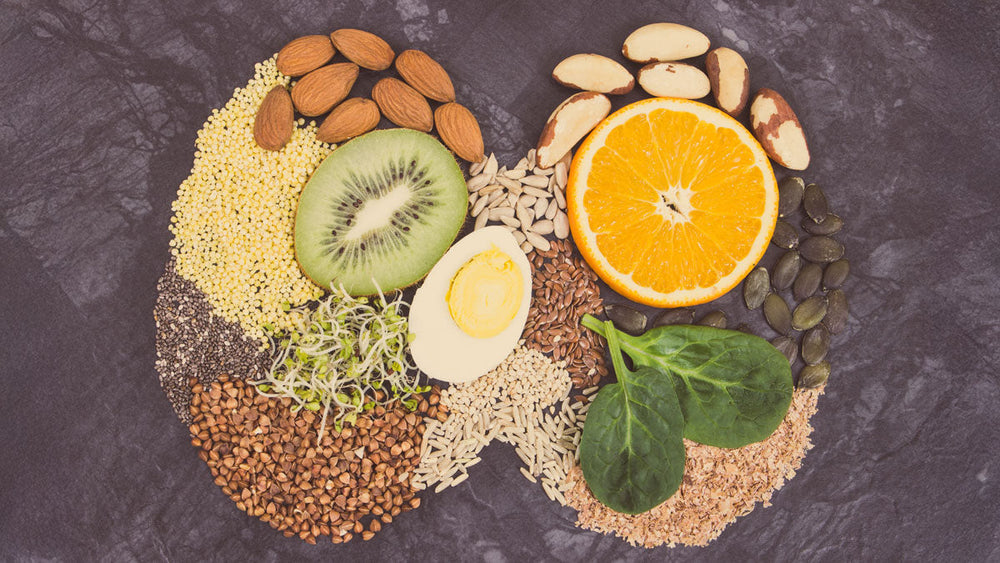
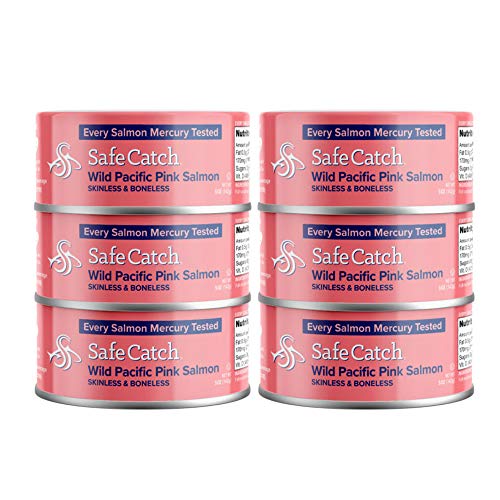
Seafood like salmon/tuna- high in vitamin D, iodine, and selenium
-
Eggs- high in iodine and vitamin D
-
Beans, lentils, cashews, and almonds- high in zinc and selenium
-
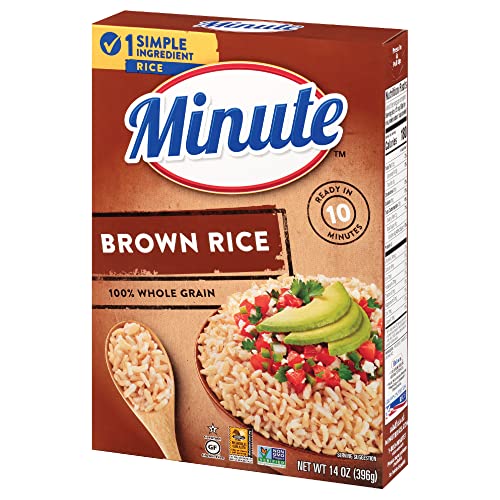
Whole grains like brown rice, whole wheat- high in selenium, vitamin D (if fortified)
-
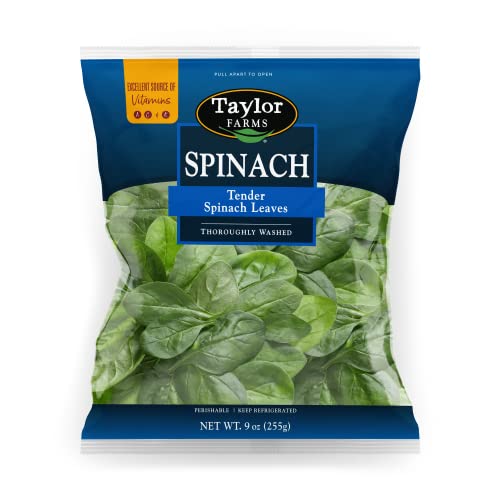
Leafy greens like spinach, kale, turnip, and collards – high in B-vitamins
-
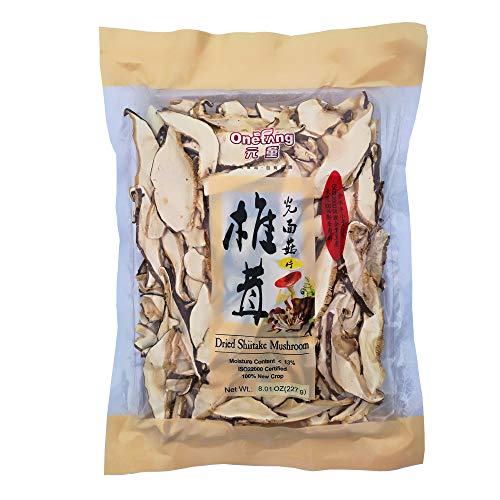
Asparagus, beetroot, avocado, and mushrooms – high in B-vitamins
Foods to Consider Limiting or Avoiding
In general, if you’re trying to avoid developing thyroid-related conditions. Avoid/limit high intakes of ultra-processed foods, added sugars, alcohol, and unhealthy fats. If you have been diagnosed with a thyroid-specific condition, there may be certain nutritious foods you need to limit to keep your thyroid functioning optimally.
With hyperthyroid (overactive thyroid), limit high-iodine foods, soy, and caffeine. For hypothyroidism (underactive thyroid), some research has indicated positive outcomes with reducing raw cruciferous vegetables like broccoli, cabbage, and kale, as well as gluten and fatty/processed foods. You may be advised to limit your sugar intake and reduce coffee consumption, as this can exacerbate inflammation and interfere with the absorption of thyroid medications.
Personalizing Your Thyroid Diet and Other Considerations
Other Considerations- Reducing Endocrine Disrupters
A growing amount of information is being discovered on endocrine disrupters. These are various environmental contaminants with which we come into contact on a regular basis. Often, we are unaware of all the endocrine disruptors to which we may be exposed. Endocrine disruptors are known to mimic thyroid hormones and block receptor sites on cells. They can alter metabolism and reduce overall thyroid function. Below are some easy ways to minimize exposure to endocrine disrupters. Try a few or all of these!
-
Use glass, stainless steel, and or ceramic food storage containers instead of plastic Tupperware.
-
Aim to buy organic produce for the “dirty dozen” produce list
-
Buy personal care products that don’t contain parabens, phthalates, triclosan, or fluoride
-
Open windows regularly to air out your home
-
Avoid smoking and secondhand smoke exposure
-
Filter your water to remove additional contaminants, such as chlorine, fluoride, and heavy metals.
Working with a Healthcare Professional
Work with a registered dietitian if you’re looking to improve your thyroid health- simple changes in your diet are a great start. If you have questions about your health and want to take a deeper look, talk with your doctor about ordering thyroid-specific labs. This will tell you what is going on with your thyroid, and then you can develop a plan to treat it and optimize your thyroid health. Working with a dietitian after a thyroid-related diagnosis is also helpful in optimizing your diet to reduce foods that could interfere with medications and further inhibit your thyroid function. As always, listen to your body. If something feels off, advocate for yourself. Monitoring symptoms and discussing changes with your healthcare provider is crucial for optimizing your health.
-
Cleveland Clinic. (2025, September 11). Thyroid: What it is, Function & Problems. Cleveland Clinic. https://my.clevelandclinic.org/health/body/23188-thyroid
-
Cleveland Clinic. (2024, August 23). What to know about how food affects thyroid conditions. Cleveland Clinic. https://health.clevelandclinic.org/thyroid-issues-what-you-need-to-know-about-diet-and-supplements
-
Harvard Health. (2017, December 7). Healthy eating for a healthy thyroid. https://www.health.harvard.edu/staying-healthy/healthy-eating-for-a-healthy-thyroid
-
Ruggeri, R. M., Barbalace, M. C., Croce, L., Malaguti, M., Campennì, A., Rotondi, M., Cannavò, S., & Hrelia, S. (2023). Autoimmune thyroid Disorders: The Mediterranean diet as a protective choice. Nutrients, 15(18), 3953. https://doi.org/10.3390/nu15183953
-
Shulhai, A., Rotondo, R., Petraroli, M., Patianna, V., Predieri, B., Iughetti, L., Esposito, S., & Street, M. E. (2024). The role of nutrition on thyroid function. Nutrients, 16(15), 2496. https://doi.org/10.3390/nu16152496.
-
U.S. Department of Health and Human Services. (2024, July 22). Endocrine disruptors. National Institute of Environmental Health Sciences. https://www.niehs.nih.gov/health/topics/agents/endocrine















 Recipes
 Products
Comments
Join The Conversation...