



PTSD and Gut Health: Exploring the Brain-Gut Connection in Trauma
PTSD is often associated with military activities, but trauma can arise from many life experiences, including medical events, accidents, violence, childhood adversity, or prolonged stress. Regardless of its source, trauma affects the body through shared biological pathways, leaving lasting effects beyond mental health alone.
During my medical training in a military hospital, PTSD was a daily reality. I cared for patients whose trauma followed them into their sleep, digestion, immune health, and sense of safety, making it clear that PTSD is not confined to the mind; it is a whole-body condition.
This article explores the powerful connection between PTSD and gut health, blending real clinical insight with emerging scientific research. By understanding how trauma affects the body through the brain–gut connection, we can begin to see PTSD not just as a mental health condition, but as a whole-body experience, opening the door to more compassionate, integrative healing approaches that honor how deeply trauma affects the body and support meaningful, long-term recovery.
This article explores the powerful connection between PTSD and gut health, blending real clinical insight with emerging scientific research. By understanding how trauma affects the body through the brain–gut connection, we can begin to see PTSD not just as a mental health condition, but as a whole-body experience, opening the door to more compassionate, integrative healing approaches that honor how deeply trauma affects the body and support meaningful, long-term recovery.
Understanding PTSD: Beyond the Mind, Into the Body
Defining Post-Traumatic Stress Disorder (PTSD)
Post-Traumatic Stress Disorder (PTSD) is a mental health condition that occurs after experiencing or witnessing a traumatic event. While PTSD is commonly linked to psychological symptoms like flashbacks, nightmares, and increased anxiety, it also has notable effects on the body. Individuals with PTSD may experience persistent hyperarousal, emotional dysregulation, and difficulty concentrating, all of which can interfere with their daily lives.
The Physical Effects of Chronic Stress and Trauma
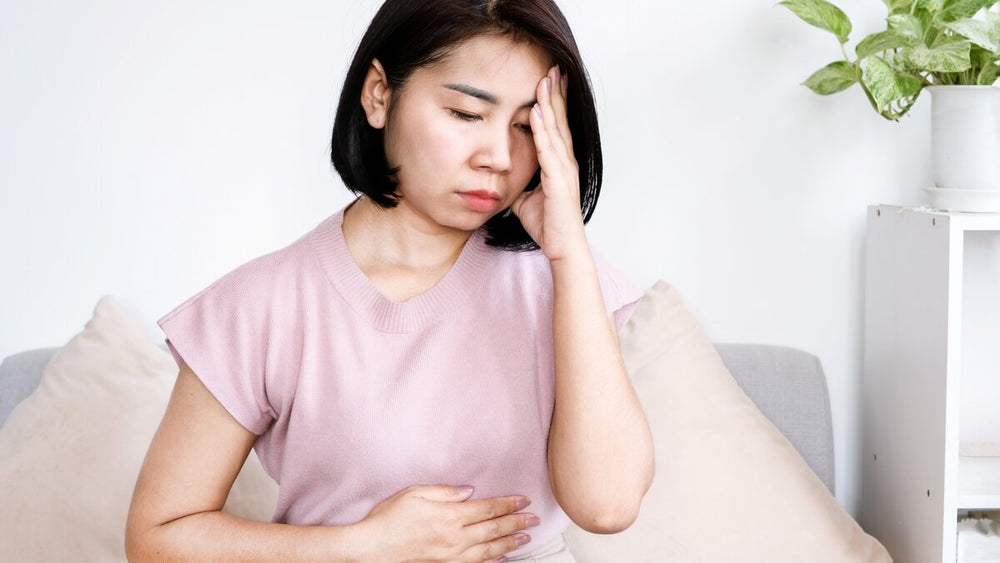
Chronic stress, which is a key feature of PTSD, impacts the body in ways that extend beyond mental health symptoms due to the effects of elevated levels of stress hormones, like cortisol. These hormones can influence multiple organ systems, including the cardiovascular, immune, and gastrointestinal systems. People with PTSD report physical symptoms like headaches, muscle tension, sleep disturbances, and gastrointestinal issues. These physical symptoms underscore the strong link between mental health and overall bodily functioning.
The Gut-Brain Axis in PTSD: A Two-Way Street
How Stress and Trauma Impact Gut Microbiome Composition
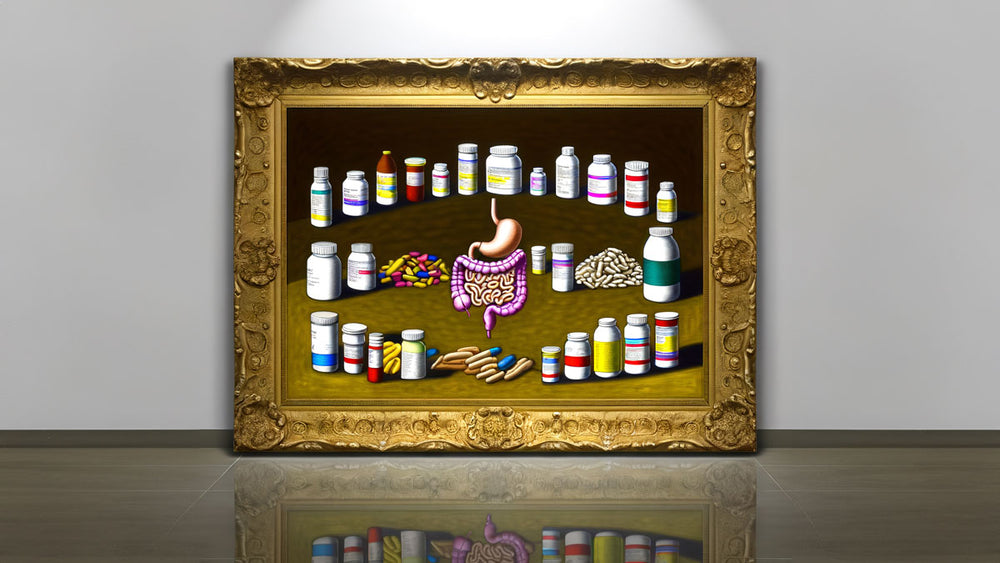
Our body has a complex communication system that supports its optimal functioning. One key pathway is the gut-brain axis, which connects the brain (central nervous system) to the gastrointestinal tract (enteric nervous system). Various factors can disrupt this axis, including chronic stress and trauma. Stress hormones like cortisol can affect gut motility, permeability, and microbial diversity. This can lead to a decrease in beneficial bacteria and an increase in harmful species. These changes can negatively impact digestion, immunity, and even mental health, creating a feedback loop that exacerbates PTSD symptoms.
The Gut’s Influence on Neurotransmitters and Inflammation in the Brain.
The gut microbiome influences the production and regulation of neurotransmitters such as serotonin, dopamine, and GABA, which play important roles in mood, cognition, and stress responses. Dysbiosis, or microbial imbalance, can increase intestinal permeability, allowing inflammatory molecules to enter the bloodstream. This chronic systemic inflammation can affect the brain and potentially worsen anxiety, depression, and cognitive symptoms often associated with PTSD.
Key Gut Health Issues Associated with PTSD
Increased Risk of IBS, Leaky Gut, and Digestive Dysfunction
People with PTSD frequently suffer from gastrointestinal symptoms such as bloating, diarrhea, constipation, and abdominal discomfort, which are associated with changes to the microbiota composition (dysbiosis) commonly associated with
- Irritable bowel syndrome (IBS)
- Functional dyspepsia
- Increased intestinal permeability (leaky gut).
This correlation highlights the importance of gut health in managing PTSD.
The Role of Gut Dysbiosis in Mood and Cognitive Symptoms
On the other hand, gut dysbiosis impacts not only digestion but also mood and cognitive function. A reduced population of beneficial bacteria can impair serotonin production, which plays a crucial role in emotional regulation. Additionally, inflammation that starts in the gut may worsen anxiety, hypervigilance, and memory issues, making recovery from trauma even more challenging.
Nurturing Gut Health for PTSD Management
Dietary Strategies: Focusing on Fiber, Fermented Foods, and Whole Nutrients
Dietary interventions can play a decisive role in supporting gut health.
- A diet rich in fiber from vegetables, fruits, legumes, and whole grains promotes microbial diversity and the growth of beneficial bacteria.
- Fermented foods, such as yogurt, kefir, kimchi, and sauerkraut, provide probiotics that help restore gut balance.
- Additionally, emphasizing whole, nutrient-dense foods ensures adequate vitamins and minerals that support immune and brain function.
Lifestyle Approaches: Stress Reduction, Sleep, and Exercise
Lifestyle factors are equally important in gut and mental health.
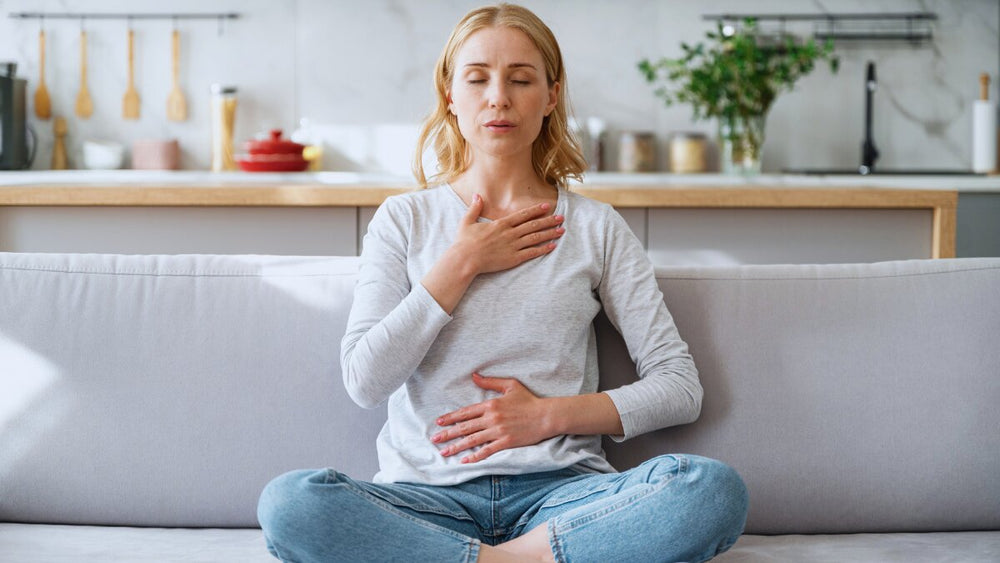
- Mindfulness practices, meditation, and deep-breathing exercises can lower cortisol levels and improve gastrointestinal function.
- Consistent, restorative sleep helps regulate hormones and microbial balance.
- Regular physical activity not only enhances mood through endorphin release but also supports gastrointestinal motility and microbial diversity.
Complementary Therapies and Professional Support
- In addition to diet and lifestyle, complementary therapies can aid in PTSD management. Psychotherapy, such as cognitive-behavioral therapy (CBT) or trauma-focused therapy, addresses the psychological root of PTSD.
- Some individuals benefit from integrative approaches, such as acupuncture, yoga, or guided relaxation, which may reduce stress and support gastrointestinal function.
- Consulting with healthcare providers, including mental health professionals and nutritionists, ensures a comprehensive, personalized approach.
Conclusion
PTSD is not only a mental health condition; it is a whole-body experience, profoundly affecting gut health through the brain-gut axis. Trauma-induced dysbiosis and inflammation can worsen both digestive and cognitive symptoms, creating a complex feedback loop. By nurturing gut health through diet, lifestyle, and professional support, individuals with PTSD can improve digestive function, emotional regulation, and overall well-being. Recognizing and addressing the gut-brain connection is a critical step toward holistic recovery from trauma.
FAQs
Can PTSD cause digestive symptoms?
Yes. PTSD is associated with changes in the gut-brain axis, which can affect digestion, gut motility, and the composition of the gut microbiome. Some individuals with PTSD experience symptoms such as abdominal pain, bloating, diarrhea, constipation, nausea, or indigestion. These symptoms are real physical manifestations of how chronic stress and trauma affect the body.
How does trauma affect the gut microbiome?
Chronic stress and trauma can influence the balance of bacteria living in the digestive tract. Research suggests that elevated stress hormones, changes in immune function, and alterations in gut motility may contribute to microbial imbalances, known as dysbiosis. These changes may affect digestion, inflammation, and even mood regulation.
Can improving gut health help with PTSD symptoms?
While improving gut health is not a treatment for PTSD, supporting the gut microbiome may contribute to overall well-being. Eating a fiber-rich diet, incorporating fermented foods when tolerated, getting adequate sleep, managing stress, and engaging in regular physical activity may support both digestive and mental health as part of a comprehensive treatment plan.
Why are PTSD and IBS often linked?
PTSD and IBS share a strong connection through the gut-brain axis. Chronic stress can alter gut function, increase sensitivity within the digestive tract, and affect communication between the brain and gut. As a result, individuals with PTSD may have a higher likelihood of experiencing IBS and other disorders of gut-brain interaction.
Should people with PTSD seek support for digestive symptoms?
Yes. Persistent digestive symptoms should be discussed with a healthcare professional. A comprehensive approach that includes medical care, mental health support, nutrition counseling, and lifestyle interventions may help address both the physical and emotional aspects of PTSD and improve quality of life.
References
1Videlock, E. J., & Chang, L. (2012). The role of early life stress in adult gastrointestinal disorders. Current Gastroenterology Reports, 14(4), 358–365. https://doi.org/10.1007/s11894-012-0262-0
2Reber, S. O. (2012). Stress and animal models of inflammatory bowel disease–an update on the role of the hypothalamo-pituitary-adrenal axis. Psychoneuroendocrinology, 37(1), 1–19. https://doi.org/10.1016/j.psyneuen.2011.05.012
3Mörkl, S., Lackner, S., Müller, W., et al. (2018). Gut microbiota, dietary intake, and weight status in patients with posttraumatic stress disorder. Nutrients, 10(10), 1407. https://doi.org/10.3390/nu10101407
4Foster, J. A., & McVey Neufeld, K. A. (2013). Gut–brain axis: How the microbiome influences anxiety and depression. Trends in Neurosciences, 36(5), 305–312. https://doi.org/10.1016/j.tins.2013.01.005
5Moloney, R. D., Desbonnet, L., Clarke, G., Dinan, T. G., & Cryan, J. F. (2014). The microbiome: Stress, health, and disease. Mammalian Genome, 25(1–2), 49–74. https://doi.org/10.1007/s00335-013-9476-6
6Yoon, H. K., et al. (2019). Gut microbiome in post-traumatic stress disorder and its association with symptom severity. Psychiatry Research, 278, 74–82. https://doi.org/10.1016/j.psychres.2019.06.034
7Cryan, J. F., & Dinan, T. G. (2012). Mind-altering microorganisms: The impact of the gut microbiota on brain and behaviour. Nature Reviews Neuroscience, 13(10), 701–712. https://doi.org/10.1038/nrn3346
8Kelly, J. R., et al. (2015). Breaking down the barriers: The gut microbiome, intestinal permeability and stress-related psychiatric disorders. Frontiers in Cellular Neuroscience, 9, 392. https://doi.org/10.3389/fncel.2015.00392
9van de Wouw, M., Schellekens, H., Dinan, T. G., & Cryan, J. F. (2017). Microbiota-gut-brain axis: Modulator of host metabolism and appetite. Journal of Nutrition, 147(5), 727–745. https://doi.org/10.3945/jn.116.242965
10Szentirmai, É., & Kapás, L. (2017). The role of the gut in sleep regulation. Current Opinion in Pulmonary Medicine, 23(6), 561–566. https://doi.org/10.1097/MCP.0000000000000420












 Recipes
 Products
Comments
Join The Conversation...