


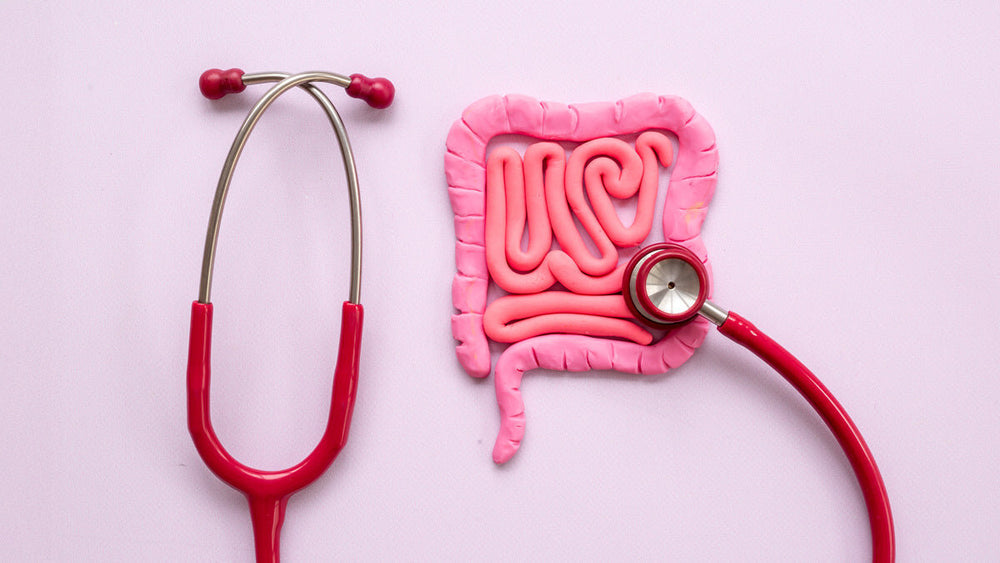
Gut Health Diets: The Best Eating Patterns for Your Microbiome (and the Ones to Skip)
Understanding the Impact of Diet on Gut Health
Our diet is literally what fuels our bodies to perform at their optimal levels. With the right diet, our bodies thrive; with the wrong diet, they can suffer detrimental health effects. When it comes to our guts, the types of foods we consume can affect the diversity of the gut microbiome, which, in turn, can make us more susceptible to chronic disease and autoimmunity or keep us strong and healthy.
In Western culture, it is not uncommon for individuals to experience occasional GI upset or discomfort. With frequent intake of highly processed, inflammatory foods, our digestive systems may struggle to function optimally. Many individuals may even live with recurrent GI symptoms daily, like gas, bloating, diarrhea, constipation, nausea, and reflux. While these are common, it shouldn’t be normal to live with these symptoms, and fortunately, sometimes a change in diet is all that is needed for relief.
Top 3 Diets to Add for Optimal Gut Health
The Mediterranean Diet: Rich in Fiber and Healthy Fats
The Mediterranean diet is rich in fiber and heart-healthy fats, which can support whole-body health. More notably, following a Mediterranean diet may reduce gut inflammation, restore a healthy gut microbiota, and improve individuals' nutritional status. This is thought to be due to the Mediterranean diet's high levels of antioxidants and phytonutrients, as well as its fiber, which supports healthy gut microbes.
The Plant-Based Diet: Diverse Fiber and Phytonutrients
A Plant-Based diet is similar to the Mediterranean diet but also includes a wider variety of whole foods, such as dairy and other animal proteins. It does not mean vegan or vegetarian; rather, the diet emphasizes non-starchy vegetables and plant proteins such as legumes and whole grains. You would still benefit from the high levels of antioxidants and fiber, which reduce inflammation and boost healthy gut microbes.
The FODMAP-Friendly Approach: Identifying Trigger Foods
Some people may struggle to follow a Mediterranean or plant-based diet due to fiber intake. Therefore, taking note of high FODMAP foods and which ones you may react to is crucial for symptom relief. Often, individuals with IBS may experience higher amounts of gas, bloating, and abdominal pain alongside diarrhea and constipation with the consumption of some high FODMAP foods like onions, garlic, gluten/wheat, and dairy. All of these foods can be part of a healthy diet, like the Mediterranean and Plant-based diets, but for some people, they need to be limited, aka following a Low FODMAP diet. It’s key to work with a registered dietitian to track symptoms and make sure you’re consuming a well-balanced, nourishing diet.
3 Diets to Avoid (or Approach with Caution) for Gut Well-being
Highly Restrictive or Elimination Diets Without Guidance
While some people may benefit from more extensive diets, it is crucial to consult a professional to determine whether you are one of them. Trying to eliminate food groups without guidance can be burdensome and may even negatively impact your nutritional status. You may be at higher risk of developing vitamin and mineral deficiencies, and your gut profile may also change. If you suspect you may benefit from an elimination diet, please discuss it with your healthcare practitioner. They can guide you on this in a healthy way that optimizes your nutrition.
Diets High in Processed Foods, Sugars, and Unhealthy Fats
It is well established that highly processed foods, particularly those high in saturated fats, inflammatory ingredients, and added sugars, are not good for our digestive health. This can lead to dysbiosis of the gut microbiome, which can further enhance inflammation and contribute to the development of chronic diseases. Limit your intake of added sugars and unhealthy fats to optimize your gut health.
Fad Diets Lacking Nutritional Balance
Social media may influence many people to follow a specific diet to optimize health, lose weight, or even build muscle. I think it is important to acknowledge that these methods may be helpful for some, but for many, they are neither sustainable nor safe to use without guidance and evidence to support their claims. I often find this in correlation with diets like intermittent fasting, ketogenic diet, carnivore diet, and even vegan diets.
Building a Sustainable Gut-Healthy Eating Plan
This year, focus on listening to your body and becoming attuned to how you specifically react to the foods you consume. If you notice changes in your bowel habits or overall health, it is important to consult a health professional to make dietary adjustments and optimize your well-being.
In general, the best advice I can give is to eat real, whole foods. Go to the grocery store or farmers' markets to purchase fresh produce, lean protein sources, and fiber-rich grains and fruits. Make food at home and limit highly processed boxed foods, and you'll likely notice a positive impact on your health! Food is medicine!
FAQs
What is the best diet for improving gut health?
There is no single diet that works for everyone, but eating patterns rich in whole foods, fiber, fruits, vegetables, legumes, and healthy fats are consistently associated with a healthier and more diverse gut microbiome. Dietary approaches such as the Mediterranean diet and plant-forward eating patterns have been widely studied for their potential benefits to digestive and overall health.
Can a Low FODMAP diet improve gut health?
A Low FODMAP diet can be a valuable tool for individuals with IBS or certain digestive symptoms because it helps identify foods that may trigger discomfort. However, it is intended as a temporary elimination-and-reintroduction process rather than a lifelong diet. Working with a registered dietitian can help ensure nutritional adequacy and support long-term gut health.
Are highly processed foods bad for the gut microbiome?
Frequent consumption of highly processed foods high in added sugars and saturated fats, and low in fiber, may negatively affect gut microbial diversity and contribute to inflammation. While occasional processed foods can fit into a balanced eating pattern, emphasizing whole, minimally processed foods may better support digestive health.
Do I need to avoid entire food groups to have a healthy gut?
Not usually. Unless medically necessary, eliminating entire food groups without professional guidance may increase the risk of nutrient deficiencies and unnecessarily restrict food choices. A balanced, varied eating pattern that includes a wide range of nutrient-rich foods is generally recommended to support both gut health and overall well-being.
How can I support my gut microbiome starting today?
Simple steps include eating more fruits and vegetables, choosing whole grains more often, incorporating legumes if tolerated, limiting highly processed foods, staying physically active, managing stress, and getting adequate sleep. Small, sustainable lifestyle changes can have a meaningful impact on gut health over time.
References
1Kasti, A., Petsis, K., Lambrinou, S., Katsas, K., Nikolaki, M., Papanikolaou, I. S., Hatziagelaki, E., & Triantafyllou, K. (2022). A combination of Mediterranean and Low-FODMAP diets for managing IBS symptoms? Ask your gut! Microorganisms, 10(4), 751.https://doi.org/10.3390/microorganisms10040751
2Sidhu, S. R. K., Kok, C. W., Kunasegaran, T., & Ramadas, A. (2023). Effect of Plant-Based diets on gut microbiota: A Systematic review of Interventional studies. Nutrients, 15(6), 1510.https://doi.org/10.3390/nu15061510
3Morariu, I., Avasilcai, L., Vieriu, M., Lupu, V. V., Morariu, B., Lupu, A., Morariu, P., Pop, O., Starcea, I. M., & Trandafir, L. (2023). Effects of a Low-FODMAP Diet on Irritable Bowel Syndrome in Both Children and Adults—A Narrative Review. Nutrients, 15(10), 2295.https://doi.org/10.3390/nu15102295

















 Recipes
 Products
Comments
Join The Conversation...