



Legumes and Meat: Comparing Protein, Nutrition, and Cost for a Healthier Plate
When it comes to protein powerhouses, today’s nutritional showdown is between two competitors: legumes and meat. Stepping up to the plate first are the classic heavyweights, including chicken, beef, and pork. Our plant-based contenders include lentils, chickpeas, beans, and peas. Which source will come out on top?
Comparing the Nutrient Basics
Protein Power:
A half-cup serving of legumes provides between 7-9g of protein on average, whereas a 3-oz. portion of meat provides roughly 22g of protein per serving. Protein is made up of compounds called amino acids. While meat contains all the essential amino acids, most legumes only include some of the essential amino acids. Meaning, for maximum protein quality, it is vital to combine them with grains or other protein sources to fill in amino acid gaps.
Winner: Meat
Fiber:
While animal products, including meat, contain no fiber, legumes are a knockout source of fiber. Most beans and lentils contain roughly 8g of fiber per serving. Peas trail behind at 4g, which is still close to 20% of the 25g of fiber that is recommended daily for most people.
Winner: Legumes
Vitamins and Minerals:
Iron: Iron can be obtained from both contestants. However, meat contains heme-iron, which is a more absorbable, or usable, form of iron for our body. Legumes contain non-heme iron, so they should be paired with vitamin C-rich foods to enhance absorption.
Winner: It’s a tie!
B Vitamins:
Meat and legumes both contain a range of the necessary B vitamins. However, legumes don’t contain vitamin B12, which is primarily found in animal foods.
Meat and legumes both contain a range of the necessary B vitamins. However, legumes don’t contain vitamin B12, which is primarily found in animal foods.
Winner: Meat
Magnesium:
Legumes are a good source of the helpful mineral magnesium, whereas meats don’t contain this nutrient. Magnesium is essential for muscle and nerve function, immunity, and energy metabolism. Missing out on legumes may mean missing out on magnesium magic.
Legumes are a good source of the helpful mineral magnesium, whereas meats don’t contain this nutrient. Magnesium is essential for muscle and nerve function, immunity, and energy metabolism. Missing out on legumes may mean missing out on magnesium magic.
Winner: Legumes
Health Implications: What the Science Says
Legumes are part of several healthy dietary patterns, including the Mediterranean diet, the DASH eating plan, lower-glycemic-index diets, and the American Institute of Cancer Research’s New American Plate. Plant-forward diets have long been linked with lower risks of chronic disease, including heart disease, diabetes, and even cancer. Higher-fiber diets can also help support a healthy gut microbiome and manage gastrointestinal disorders such as IBS-constipation.
On the other hand, many of these diets do recommend limiting certain types of meat. Red meat is advised in small quantities on both the New American Plate and the Mediterranean diet due to its correlation with increased risk of cancer, as well as its impact on cardiovascular health. Poultry is recommended in moderation on these diets. However, meat, with its high protein content, can be very satiating. This factor can be useful for weight management. Additionally, the low carbohydrate content of meat means it does not cause as many blood glucose spikes as carb-containing foods, including legumes. This may make meat a good protein source for individuals living with diabetes or insulin resistance.
Preventing chronic disease winner: Legumes
Managing chronic disease: It depends!
Cost-Effectiveness: Budgeting for Healthy Eating
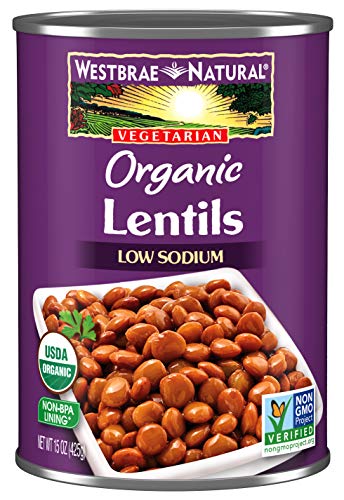
When it comes to affordability, legumes don’t just linger as the top-scorers; they take the cake. Dried, canned, or frozen options can be purchased at affordable, shelf-stable prices. Organic options may even be bought for less than $1 more in many cases. Their versatility also helps stretch their dollar value. They can be turned into burgers, soups, and casseroles, or simply added as an enhancement to other dishes.
Meat products will cost more per serving. You’ll pay a premium for organic, free-range, or grass-fed options. Canned meat is available, but these choices usually have added sodium. Unfortunately, they are not as easy to rinse the added sodium as their legume alternatives.
Winner: Legumes
Our referees in today’s showdown have made some tough decisions, weighing the strengths and weaknesses of each protein competitor. But perhaps we can each be our own judge. Which protein will get the primary spot as reigning champ on your plate, or will they share the gold and call it a tie?
FAQs
Are legumes a complete source of protein?
Most legumes are not considered complete proteins because they do not contain all nine essential amino acids in optimal amounts. However, pairing legumes with foods such as whole grains, nuts, seeds, or dairy products throughout the day can help provide all the essential amino acids your body needs. You do not need to eat them together at every meal to benefit.
Are legumes healthier than meat?
Both legumes and meat can be part of a healthy diet. Legumes provide fiber, magnesium, and plant compounds that support heart, gut, and metabolic health, while meat offers high-quality protein, vitamin B12, and highly absorbable iron. The healthiest approach for many people is to include a variety of protein sources rather than relying exclusively on one.
Which is more budget-friendly: legumes or meat?
Legumes are generally one of the most affordable protein sources available. Dried beans, lentils, and peas are inexpensive, shelf-stable, and can be used in a variety of dishes. While meat can provide more protein per serving, legumes often offer a lower cost per meal and additional nutritional benefits such as fiber.
Can legumes help support digestive health?
Yes. Legumes are rich in dietary fiber, which helps support regular bowel movements and feeds beneficial gut bacteria. A fiber-rich eating pattern has been associated with improved gut microbiome diversity and may help support digestive health. If you are not used to eating legumes, gradually increasing intake can help minimize gas and bloating.
Should people with diabetes choose legumes or meat?
Both can play a role in diabetes management. Lean meats provide protein with minimal impact on blood sugar, while legumes offer a combination of protein, fiber, and complex carbohydrates that may help slow glucose absorption. Many people benefit from incorporating both into a balanced eating pattern tailored to their individual needs.
References
1New American Plate - American Institute for Cancer Research. American Institute for Cancer Research. (n.d.). https://www.aicr.org/cancer-prevention/healthy-eating/new-american-plate/
2Polak, R., Phillips, E. M., & Campbell, A. (2015). Legumes: Health Benefits and Culinary Approaches to Increase Intake. Clinical diabetes : a publication of the American Diabetes Association, 33(4), 198–205.https://doi.org/10.2337/diaclin.33.4.198
3Shi, W., Huang, X., Schooling, C. M., & Zhao, J. V. (2023). Red meat consumption, cardiovascular diseases, and diabetes: a systematic review and meta-analysis. European heart journal, 44(28), 2626–2635. https://doi.org/10.1093/eurheartj/ehad336
















 Recipes
 Products

Comments
Join The Conversation...