


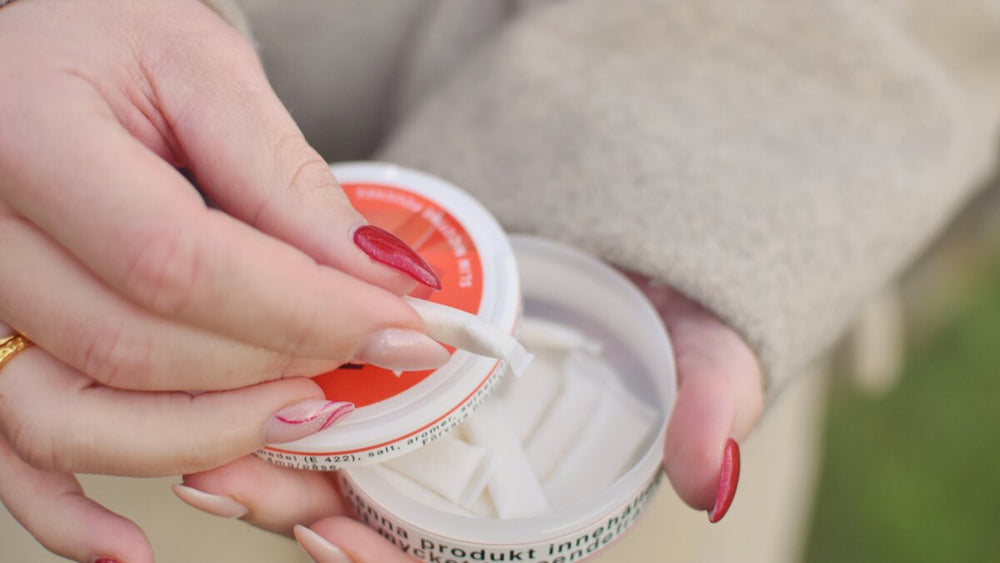
TikTok’s Nicotine Pouch Trend: Energy Hack or Health Risk?
If you have been on social media for a while, you’re familiar with trends and challenges. Remember the cinnamon challenge? How about the Tide Pods challenge?
Are you aware of the latest trend? TikTok users are boasting about the health benefits of nicotine pouches. (Not to be confused with nicotine patches, which are used for safe and effective smoking cessation).
Are nicotine pouches good for you? Should you incorporate it into your daily routine? Keep reading, Foodguides fam, as we embark on our own challenge: the truth behind the TikTok nicotine pouch trend.
The TikTok Trend: Nicotine Patches for Energy and Brain Fog
According to TikTok influencers, nicotine pouches can be used to increase energy levels and reduce brain fog for optimal school and work performance. But, is it true?
First, we will take a closer look at the claims on TikTok:
What the Trend Claims: Enhanced Focus and Cognitive Clarity
Influencers on TikTok are claiming that the use of nicotine pouches can assist with increasing focus, clarity, and even weight loss! According to a study conducted by NIH in 2023, nicotine can have a positive impact on cognitive efficacy; however, it was mainly observed in subjects already suffering from other substance use disorders and psychiatric comorbidities. Further research is required to learn more about this correlation, and more studies about the effects of nicotine on healthy nonsmokers are needed.
As for weight loss due to nicotine use, research by Nebraska Medicine concludes that nicotine is neither an appetite suppressant nor a metabolism booster (both of which support weight loss). The “weight loss” effect of nicotine is mainly attributed to smokers who relapse back into nicotine dependence after fulfilling their addiction with other methods, such as sugary foods.
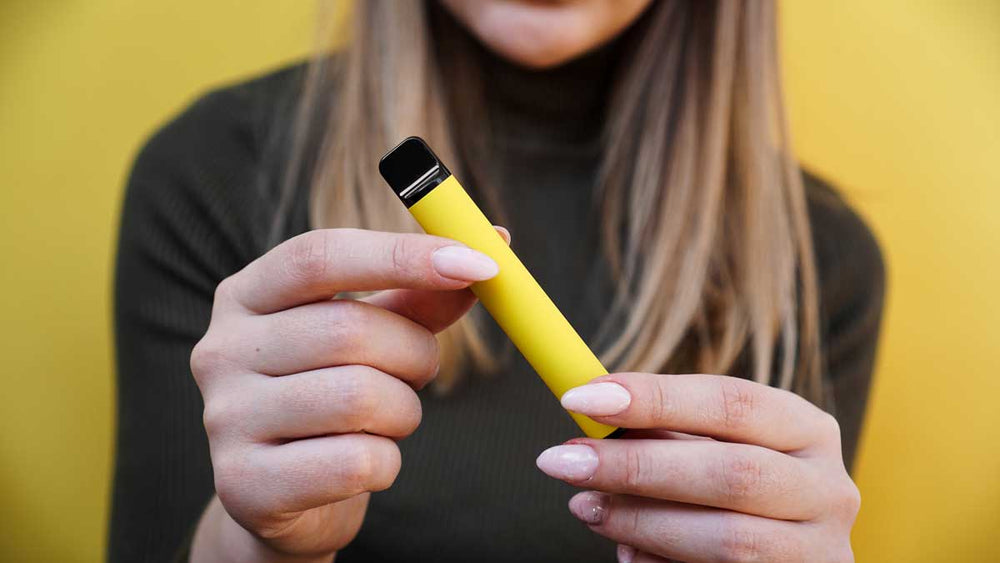
Nicotine Knowledge 1 - Nicotine pouches are filled with nicotine and other flavorings that release into a person’s bloodstream after being placed under a person’s lip. Nicotine patches are adhesives that release small doses of nicotine into the skin to assist smokers with quitting.
Why Nicotine Appeals for Perceived Performance Boosts
Nicotine pouches are being highlighted for their discreet use and ability to provide nicotine without the need for smoking. Users can place their preferred method of nicotine dispersal and continue about their daily activities without anyone realizing they are using the product. Additionally, nicotine patches/pouches can be layered to provide greater dosages of nicotine, which can create a dosage unique to each person’s preference. Commercials and social media portray users as cool and influential, appealing to several audiences, including children and young adults.
Nicotine Knowledge 2 - While nicotine itself is not considered a carcinogen (a cancer-causing product), it does hurt blood pressure, oral health, breathing, reproductive health, and mental health.
The Science of Nicotine: What Research Actually Says
Second, we will take a look at the research:
Nicotine's Effects on Attention and Cognition (in specific contexts)
Nicotine is classified as a central nervous system stimulant, meaning it quickly releases into the bloodstream and can temporarily create feelings of alertness while simultaneously decreasing stress and anxiety. Unfortunately, these effects are extremely temporary, requiring a second dosage of nicotine to maintain these results.
Nicotine Knowledge 3 - The FDA may authorize nicotine pouches for marketing/wholesale, but they are NOT FDA-approved or considered safe for use.
The Difference Between Therapeutic Use and Recreational Application
When used as directed by a healthcare professional, nicotine patches can successfully assist smokers with quitting. Recreational application of nicotine products (including nicotine pouches) poses significant risks to the user physically, mentally, and socially. It is important to use all nicotine cessation products as directed by a healthcare professional for safe, healthy, and positive effects.
Nicotine Knowledge 4 - Nicotine replacement therapy comes in many forms: patches, gum, lozenges, inhalers, and nasal sprays. These can be prescribed by a doctor or obtained over the counter at a local pharmacy.
Serious Risks for Non-Smokers and Unintended Consequences
Third, we will take a look at the serious risks and consequences of abusing nicotine:
High Addiction Potential and Withdrawal Symptoms
Nicotine releases a chemical called dopamine. Known as “the happy hormone,” dopamine changes parts of the brain to create a temporary feeling of happiness. This feeling quickly becomes addictive, encouraging nicotine users to continue to smoke or use the pouches/patches to continue the happy feeling. Once the dopamine released from the nicotine leaves the brain, the person’s mood changes, which leads to withdrawal.
Withdrawal can be brutal. Symptoms include anxiety, insomnia, fatigue, difficulty concentrating, irritability, and restlessness. These symptoms will eventually subside after a few weeks, as long as the user does not relapse into using nicotine, which can restart the withdrawal process.
Nicotine Knowledge 5 - Nicotine is considered just as addictive as cocaine, opioids, alcohol, and heroin.
Cardiovascular Risks and Other Adverse Health Effects
In addition to the mental/emotional side effects listed above, nicotine can cause adverse physical effects to the body. Several studies in the United States have found an increased risk of mortality in those who use nicotine and have cardiovascular disease (including ischemic heart disease and cerebrovascular disease).
Nicotine use is also associated with an increased risk of oral cancer, especially in those who use nicotine pouches. Continued use of nicotine pouches can create grey-white patches in the mouth (called leukoplakia), which can lead to cancer. These patches cannot be scraped off, but medical professionals can treat them.
Nicotine Knowledge 6 - Tobacco and nicotine-containing products have been associated with increased risks of several cancers, including oral, esophageal, pancreatic, head, and neck cancers.
Overdose Concerns and Lack of Medical Supervision
Nicotine pouches may seem trendy, but they can cause an overdose when used in excess. A nicotine user observed in a study by Oxford was hospitalized after consuming 15 extra-strength nicotine pouches (each containing 10.9 mg per pouch) within 12 hours. Nicotine overdoses related to nicotine pouch use continue to be observed for future research.
When used correctly, nicotine patches can assist smokers with quitting. It is important to use these under medical supervision to protect your physical, emotional, and mental health.
Nicotine pouches are not designed for smoking cessation and are considered highly addictive, despite how they are portrayed on social media.
Nicotine Knowledge 7 - Most adults who use nicotine pouches are ages 21-24. However, as of 2023, over 400,000 underaged youth are using nicotine patches (an increase from 200,000 in 2021).
Beyond the Trend: Safe and Effective Strategies for Energy and Focus
Finally, we will look at safe and effective strategies for increased energy and focus:
Lifestyle Foundations: Sleep, Nutrition, and Exercise
The safest way to boost your energy and focus is to build upon three lifestyle foundations: sleep, nutrition, and exercise.
Sleep - Sleep is vital for energy renewal. When you sleep, your body has the opportunity to rest and repair itself, including your brain. Getting enough sleep has been shown to improve memory, cognitive function, reaction time, and the ability to learn new concepts. Most adults require 7 or more hours of sleep a night.
Nutrition - Food is fuel. The healthier you eat, the better your body will react. If you’re looking for quick energy, choose a high-carbohydrate food. Healthy fats such as nuts, seeds, and avocados provide long-term energy.
Exercise - An excellent way to replenish your energy levels. When you exercise, your body produces more oxygen, which can increase your energy and cognitive levels.
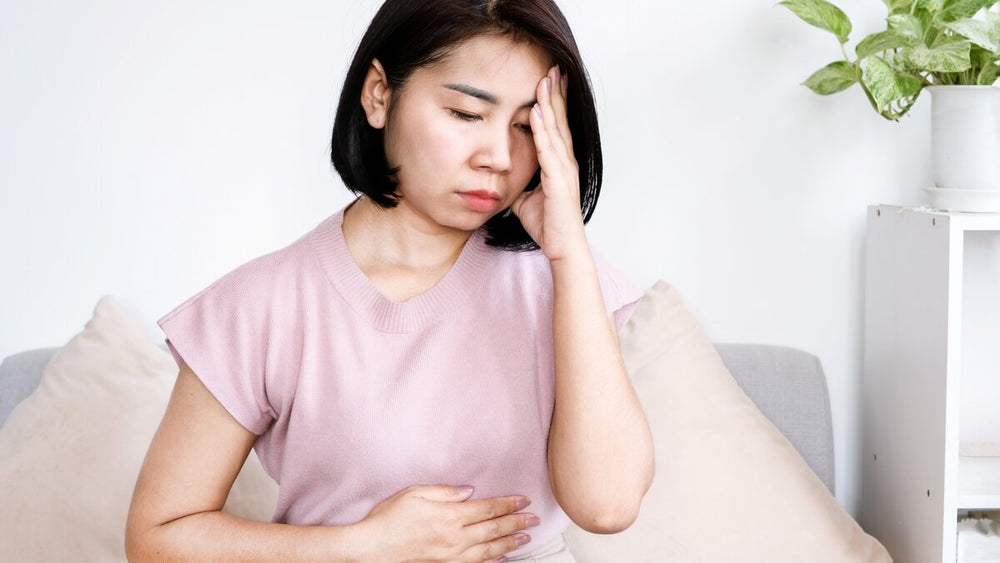
Nicotine Knowledge 8 - At Foodguides, we focus heavily on proper gut health. Nicotine can cause catastrophic effects on your digestive system, including heartburn, nausea, indigestion, and diarrhea.
Consulting Healthcare Professionals for Persistent Brain Fog or Low Energy
If you are experiencing persistent brain fog or low energy levels, it’s best to consult your primary care doctor, not your favorite influencer. Medical professionals are trained to accurately evaluate their patients and provide safe, effective treatments for their optimal health.
Nicotine Knowledge 9 - If you would like to stop depending on nicotine, contact the National Cancer Institute hotline at 1-877-448-7848. They offer counseling and other assistance for anyone who would like to quit.
Do you have any additional questions about the nicotine patch/pouch trend? Feel free to comment below or on Bluesky, Facebook, and Instagram.
FAQs
Are nicotine pouches safe for people who have never used nicotine before?
No. Nicotine pouches are not considered safe for non-smokers or individuals who have never used nicotine products. Nicotine is highly addictive and can affect the cardiovascular system, oral health, mental health, and digestive system. Starting nicotine use for focus, energy, or weight loss can increase the risk of developing nicotine dependence.
Can nicotine pouches really improve focus and reduce brain fog?
Nicotine is a stimulant and may temporarily increase alertness and concentration. However, current research does not support using nicotine pouches as a safe or effective solution for brain fog in healthy individuals. Any short-term effects are often outweighed by the risks of addiction, withdrawal symptoms, and other health concerns.
Do nicotine pouches help with weight loss?
There is no strong evidence that nicotine pouches are an effective weight-loss tool. While some people associate nicotine use with weight changes, experts do not recommend nicotine products for appetite control or weight management. Healthy, sustainable weight loss is best achieved through balanced nutrition, regular physical activity, adequate sleep, and guidance from healthcare professionals.
What are healthier alternatives to nicotine pouches for boosting energy and focus?
The most effective long-term strategies for improving energy and concentration include getting 7–9 hours of quality sleep, eating balanced meals and snacks, staying hydrated, exercising regularly, and managing stress. If persistent fatigue or brain fog continues despite healthy lifestyle habits, it’s important to speak with a healthcare provider to identify potential underlying causes.
Can nicotine pouches affect digestive health?
Yes. Nicotine can contribute to digestive symptoms such as heartburn, acid reflux, nausea, indigestion, stomach discomfort, and diarrhea. For individuals already managing digestive conditions such as GERD or IBS, nicotine use may worsen symptoms and make them more difficult to control.
References
1Valentine, G. and Sofuoglu, M. (2023). Cognitive effects of nicotine: Recent progress, Current Neuropharmacology, https://pmc.ncbi.nlm.nih.gov/articles/PMC6018192/
2Nebraska Medicine. (2025). Can nicotine help you lose weight?, Advancing Health, https://www.nebraskamed.com/health/healthy-lifestyle/bariatrics-weight-loss/can-nicotine-help-you-lose-weight
3U.S. Food and Drug Administration. (2025). Nicotine pouch products authorized by the FDA, U.S. Food and Drug Administration, https://www.fda.gov/tobacco-products/market-and-distribute-tobacco-product/nicotine-pouch-products-authorized-fda
4Wellborn, P. (2025). From cessation to celebration: Nicotine pouches go viral on TikTok, The University of British Columbia Okanagan News, https://news.ok.ubc.ca/2025/11/27/from-cessation-to-celebration-nicotine-pouches-go-viral-on-tiktok
5American Lung Association. (2024). ZYN 101: What to know about big tobacco’s latest addiction, Each Breath, https://www.lung.org/blog/zyn-nicotine-addiction
6National Library of Medicine. (2001). Nicotine pharmacology, Clearing the Smoke: Assessing the Science Base for Tobacco Harm Reduction, https://www.ncbi.nlm.nih.gov/books/NBK222359/
7CAMH. (2025). Nicotine dependence, The Centre for Addiction and Mental Health, https://www.camh.ca/en/health-info/mental-illness-and-addiction-index/nicotine-dependence
8Joyner, R. (2025). What you need to know about Zyn and other nicotine pouches, Duke UNC Tobacco Treatment Specialist Training Program, https://www.dukeunctts.com/post/what-you-need-to-know-about-zyn-and-other-nicotine-pouches
9Harvard Health Publishing. (2025). Feel-good hormones: How they affect your mind, mood, and body, Harvard Medical School, https://www.health.harvard.edu/mind-and-mood/feel-good-hormones-how-they-affect-your-mind-mood-and-body
10Dennison Himmelfarb, C. R., Benowitz, N. L., Blank, M. D., Bhatnagar, A., Chase, P. J., Davis, E. M., Fetterman, J. L., Keller-Hamilton, B., Ogungbe, O., Page, R. L., 2nd, Rezk-Hanna, M., Robertson, R. M., Whitsel, L. P., & American Heart Association Advocacy Coordinating Committee (2025). Impact of Smokeless Oral Nicotine Products on Cardiovascular Disease: Implications for Policy, Prevention, and Treatment: A Policy Statement From the American Heart Association. Circulation, 151(1), e1–e21. https://doi.org/10.1161/CIR.0000000000001293
11American Cancer Society. (2025). Health risks of smokeless tobacco, American Cancer Society, https://www.cancer.org/cancer/risk-prevention/tobacco/smokeless-tobacco.html
12Nishioka, T., Tada, H., Ibaragi, S., Chen, C., & Sasano, T. (2019). Nicotine exposure induces the proliferation of oral cancer cells through the α7 subunit of the nicotinic acetylcholine receptor. Biochemical and biophysical research communications, 509(2), 514–520. https://doi.org/10.1016/j.bbrc.2018.12.154
13Kent, J., Mok, G., and Austin, E. (2025). Nicotine toxicity from repeat use of nicotine pouches, Nicotine & Tobacco Research, https://academic.oup.com/ntr/article/27/4/767/7725552
14Mayo Clinic. (2025). How many hours of sleep are enough for good health?, Mayo Clinic, https://www.mayoclinic.org/healthy-lifestyle/adult-health/expert-answers/how-many-hours-of-sleep-are-enough/faq-20057898
15Hydrocephalus Association. (2025). Energy boosting foods: stop feeling tired and fuel your day, Hydrocephalus Association, https://www.hydroassoc.org/stop-feeling-tired-power-foods-boost-energy
16Golen, T. (2021). Does exercise really boost energy levels?, Harvard Medical School, https://www.health.harvard.edu/exercise-and-fitness/does-exercise-really-boost-energy-levels
17Ngo, P. (2024). Everything you need to know about nicotine, MedicalNewsToday, https://www.medicalnewstoday.com/articles/240820










 Recipes
 Products
Comments
Join The Conversation...