



Can You Improve Vagus Nerve Function for Better Gut Health?
Most of the communication between your brain and the rest of the body takes place through the spinal cord. But most is not all. Your body has 12 pairs of cranial nerves that extend directly from the brain to the periphery. Most cranial nerves extend a relatively short distance from the brain, innervating muscles responsible for swallowing, facial control, and speech.
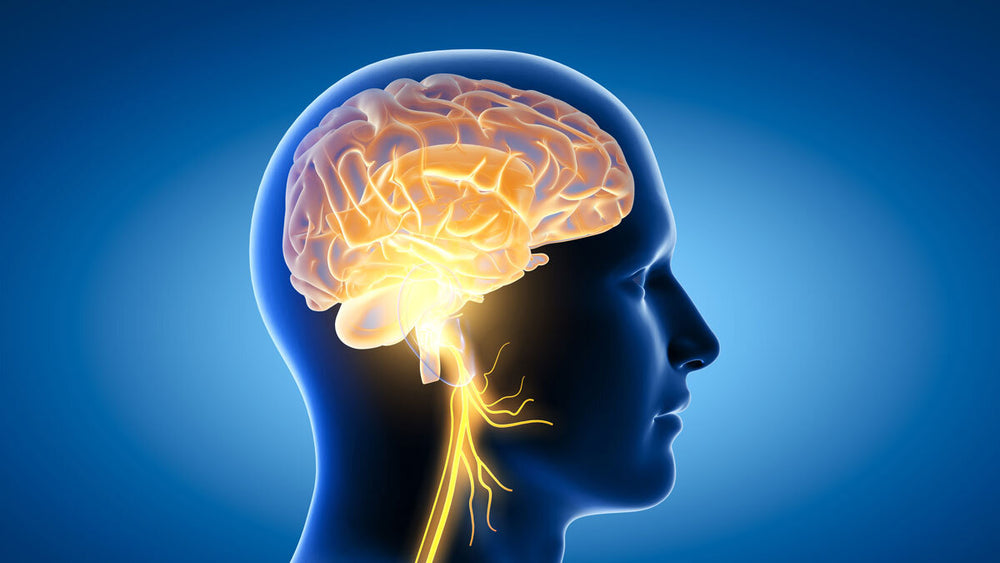
One pair, named the vagus nerve, however, travels a great deal longer than the other cranial nerves. In fact, its name, “vagus,” comes from the Latin term for “wandering”. This is highly appropriate, as the vagus nerve extends from your brain deep into your torso, innervating not only facial and neck muscles but also acting as a relay to your viscera, including your heart and GI tract.
One pair, named the vagus nerve, however, travels a great deal longer than the other cranial nerves. In fact, its name, “vagus,” comes from the Latin term for “wandering”. This is highly appropriate, as the vagus nerve extends from your brain deep into your torso, innervating not only facial and neck muscles but also acting as a relay to your viscera, including your heart and GI tract.
Overview of the autonomic nervous system
The vagus nerve operates as a critical part of the autonomic nervous system, which is essentially your body’s autopilot. The autonomic nervous system controls many vital systems, such as heart rhythm and digestion, without conscious input. The autonomic nervous system has two divisions: the sympathetic system, which you might be familiar with as the branch controlling the “fight or flight” responses, or in other words, helping us deal with stress.
The parasympathetic branch helps with recovery and restoration, managing housekeeping, digestion, and urination. The vagus nerve is a major conduit through which the ANS exerts parasympathetic control of our organs, mostly through reflex actions that occur below the level of conscious thought.
The parasympathetic branch helps with recovery and restoration, managing housekeeping, digestion, and urination. The vagus nerve is a major conduit through which the ANS exerts parasympathetic control of our organs, mostly through reflex actions that occur below the level of conscious thought.
The vagus nerve is both an afferent (sending sensory signals to the brain from the periphery) and an efferent (sending responses from the brain to target organs) nerve. Roughly 80% of vagus nerve cells’ function is afferent, providing information from the viscera to the brain. The remaining 20% of vagus nerve fibers have efferent functions, responding to afferent input via reflexes. Some examples of vagus nerve function you are likely familiar with are the gag reflex and maintaining your resting heart rate.
The vagus nerve's role in the gut-brain axis
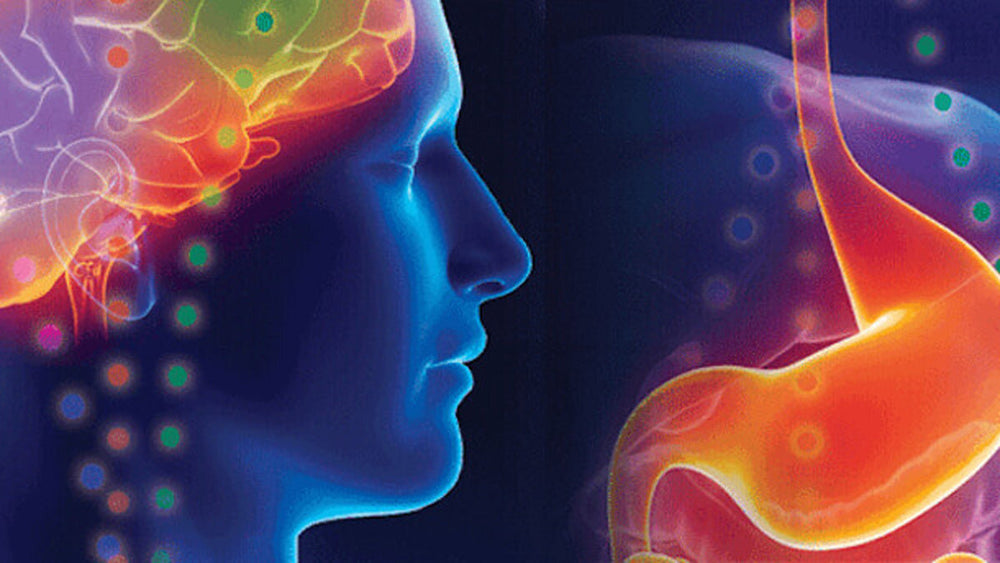
Specific to the gut, the vagus nerve directly innervates virtually the entire GI tract. Vagal actions on the gut can be classified as anti-inflammatory, dampening peripheral inflammation, increasing peristalsis, and decreasing intestinal permeability. Low vagal tone is implicated in the pathophysiology of gut disorders such as Irritable Bowel Syndrome, GERD, and Inflammatory Bowel Disease. So having a well-functioning vagus nerve is an integral part of healthy digestion. So, the million-dollar question is: how can one improve vagus nerve function?
Evidence-Based Ways to Support Vagus Nerve Function Naturally
Electrical stimulation
Medical therapy using electrical currents to provide vagus nerve stimulation, with an implanted medical device similar to a pacemaker, has been used to treat a host of conditions including epilepsy, stroke recovery, and depression.
Noninvasive electrical devices to stimulate the vagus nerve via transcutaneous vagal nerve stimulation are also commercially available. Research on their effectiveness in improving gut symptoms has (so far) shown modest benefits.
Regular physical activity
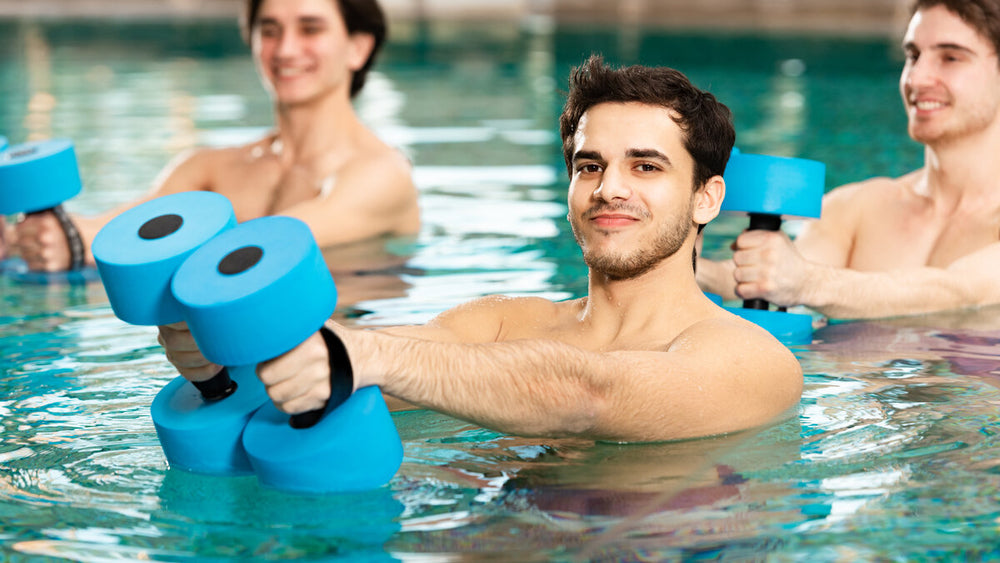
Physical activity suppresses vagus nerve activity while you are doing it. During the recovery from each exercise bout, though, vagal tone increases. Repeated, regular exercise improves vagal tone, as indicated by the consistent finding of greater heart rate variability in regular exercisers.
Deep breathing and diaphragmatic breathing
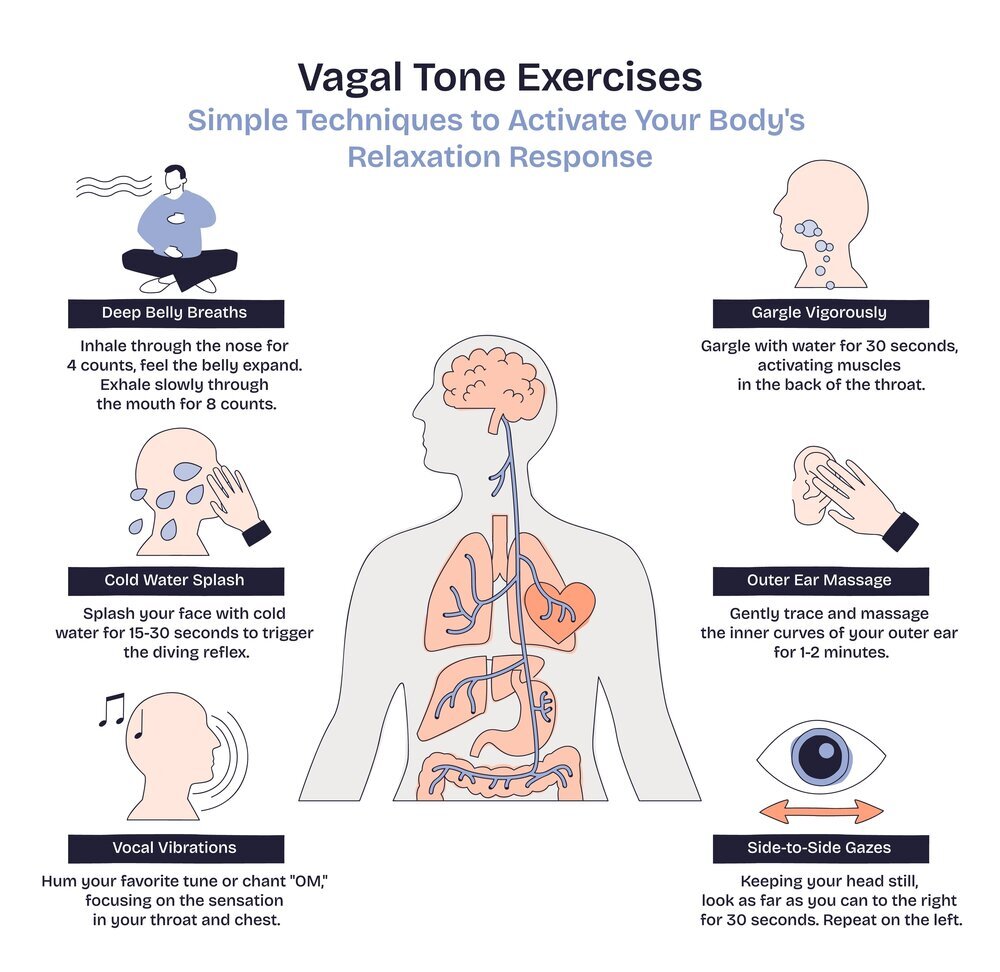
Breathwork has long been a component of mindfulness practices in meditation and exercise. Many breathwork disciplines exist, such as pranayama, nasal breathing, and the Wim Hof method, to name a few. Regardless of the breathing method (pace, depth, etc.), all breathwork techniques seem to share a common ability to enhance vagal nerve tone.
Sleep and social wellness
Perhaps unsurprisingly, good sleep habits and healthy social interactions have also been linked to better vagal tone. In sum, a holistic approach to fitness supports your vagus nerve’s function, and consequently better digestion and a higher quality of life.
FAQs
What does the vagus nerve do for digestion?
The vagus nerve is an important communication pathway between the brain and digestive tract. It helps regulate digestive functions such as intestinal movement and also signals inflammation and the intestinal barrier.
What is vagal tone?
Vagal tone generally refers to the activity and function of the vagus nerve within the parasympathetic nervous system. Researchers often use measures such as heart rate variability as an indirect indicator of vagal activity rather than directly measuring the nerve itself.
Can low vagal tone affect gut health?
Research has associated altered or reduced vagal activity with gastrointestinal conditions including IBS, GERD, and inflammatory bowel disease. However, these relationships are complex, and low vagal tone should not be considered a single cause of these digestive disorders.
How can you naturally support vagus nerve function?
Regular physical activity, breathing exercises, adequate sleep, and positive social interactions have all been associated with vagal function. You can incorporate these habits into a broader approach to supporting nervous system, digestive, and overall health.
References
1Breit, S., Kupferberg, A., Rogler, G., & Hasler, G. (2018). Vagus Nerve as Modulator of the Brain-Gut Axis in Psychiatric and Inflammatory Disorders. Frontiers in psychiatry, 9, 44. https://doi.org/10.3389/fpsyt.2018.00044
2Bonaz, B., Bazin, T., & Pellissier, S. (2018). The Vagus Nerve at the Interface of the Microbiota-Gut-Brain Axis. Frontiers in neuroscience, 12, 49. https://doi.org/10.3389/fnins.2018.00049
3Bai, Y., Yu, M., Weng, C., Xu, J., Zheng, M., & Lv, B. (2026). Autonomic nervous system dysfunction in irritable bowel syndrome: pathophysiology and therapeutic implications. Frontiers in neuroscience, 20, 1832540. https://doi.org/10.3389/fnins.2026.1832540
4Zhou, L. Q., Huang, J. T., Zheng, X. W., Chen, T., Zheng, Y. J., Hou, C. J., Gao, J., Yue, X., & Chen, L. H. (2026). Autonomic dysfunction in laryngopharyngeal reflux: heart rate variability and its association with esophageal motility. European archives of oto-rhino-laryngology : official journal of the European Federation of Oto-Rhino-Laryngological Societies (EUFOS) : affiliated with the German Society for Oto-Rhino-Laryngology - Head and Neck Surgery, 283(2), 987–1000. https://doi.org/10.1007/s00405-025-09953-1
5Bonaz, B., & Sinniger, V. (2023). Targeting the Vagus Nerve to Treat Inflammatory Bowel Disease?. Journal of Crohn's & colitis, 17(12), 1893–1894. https://doi.org/10.1093/ecco-jcc/jjad149
6Howland R. H. (2014). Vagus Nerve Stimulation. Current behavioral neuroscience reports, 1(2), 64–73. https://doi.org/10.1007/s40473-014-0010-5
7Pérez-Montalbán, M., García-Domínguez, E., Pabón-Carrasco, M., & Oliva-Pascual-Vaca, Á. (2026). Effects of Transcutaneous Vagus Nerve Stimulation on Gastrointestinal Symptoms and Cardiovascular Autonomic Outcomes: A Systematic Review and Meta-Analysis. Neurology international, 18(7), 127. https://doi.org/10.3390/neurolint18070127
8da Silva, A. C. A., Severo, J. S., Dos Santos, B. L. B., Soares, H. S., Martins, J. A., Lima, R. S. P., Gadelha, K. K. L., Torres-Leal, F. L., Correia-de-Sá, P., Magalhães, P. J. C., Santos, A. A., & da Silva, M. T. B. (2025). Role of physical exercise, vagal nerve stimulation, and vagotomy in inflammatory bowel disease. World journal of gastroenterology, 31(38), 111252. https://doi.org/10.3748/wjg.v31.i38.111252
9Bhardwaz, S., Schunkert, H., & Sager, H. B. (2026). Exercise as medicine: Improving cardiovascular health through physical activity. Atherosclerosis, 417, 120721. https://doi.org/10.1016/j.atherosclerosis.2026.120721
10Kumagai, K., Chiba, A., & Yajima, H. (2025). Design biology and mind-body health. Journal, genetic engineering & biotechnology, 23(4), 100621. https://doi.org/10.1016/j.jgeb.2025.100621















 Recipes
 Products

Comments
Join The Conversation...