



Online Communities That Help People Navigate IBS
Living with irritable bowel syndrome (IBS) can be physically uncomfortable, emotionally frustrating, and at times isolating. While online spaces can provide support and connection, not all IBS-related information shared online is evidence-based or universally helpful.
If you’re looking for a sense of community along with practical symptom management tips, there are several IBS-focused groups and platforms that may help you feel more supported and connected. Below are a few online communities and resources designed for people navigating life with IBS.
Why Community Support Matters for People With IBS
Irritable bowel syndrome (IBS) is a common gastrointestinal condition that affects the digestive tract. Symptoms can vary from person to person and may include abdominal pain, bloating, constipation, diarrhea, or changes in bowel habits. Many people find symptoms fluctuate over time and may be influenced by diet, stress, sleep, and lifestyle habits.
Because IBS can affect daily routines, travel, work, relationships, and mental well-being, community support may help reduce feelings of isolation and provide reassurance that others are navigating similar experiences.
Diet and Meal Planning
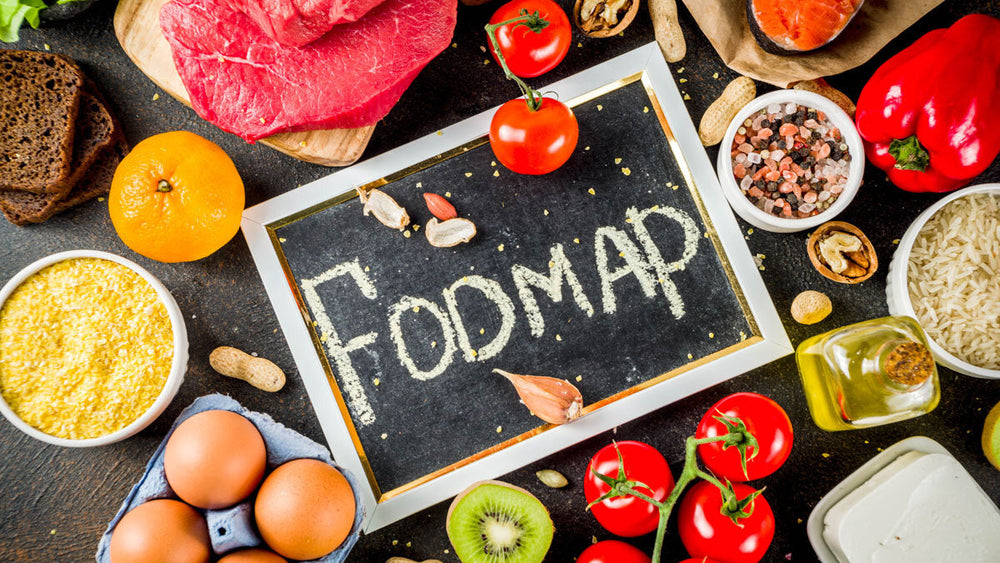
Identifying personal symptom triggers and developing individualized nutrition strategies may help some people better manage IBS symptoms. For some individuals, this may include approaches such as the Low FODMAP diet, mindful fiber intake, meal timing adjustments, or identifying foods that appear to worsen symptoms.
Meal planning and meal prepping may also help reduce stress around food choices, especially during busy weeks or flare-ups. Several websites and online communities offer recipe ideas and meal inspiration that align with Low FODMAP principles or other gut-friendly dietary approaches.
When exploring dietary advice online, it’s important to remember that IBS management is highly individualized. What works well for one person may not work for another.
Travel and Social Activities
IBS symptoms can sometimes create anxiety or discomfort during social situations, travel, or dining away from home. Concerns about symptom unpredictability may affect confidence and enjoyment in certain settings.
Online communities often share practical strategies for navigating these situations, such as:
- Travel preparation tips
- Restaurant ordering suggestions
- Portable snack ideas
- Stress-management techniques
- Real-life experiences from others with IBS
While these discussions can be helpful, healthcare professionals should still be consulted for individualized medical guidance.
Stress and Mental Health
The gut and brain are closely connected through the gut-brain axis, and emotional stress may influence digestive symptoms in some individuals with IBS. Living with a chronic digestive condition may also affect emotional well-being and has been associated with increased rates of stress, anxiety, and depression.
In addition to individualized coping strategies such as journaling, mindfulness, movement, or meditation, some individuals may benefit from working with mental health professionals or participating in support groups.
Seeking support is not a sign of weakness. Addressing both digestive and emotional health may be an important part of long-term symptom management and overall quality of life.
How Online Communities Can Provide Support
If you have IBS, you are not alone. Online communities may provide opportunities for connection, education, encouragement, and shared experiences with others who understand the day-to-day challenges of living with digestive symptoms.
Sharing Personal Experiences and Encouragement
Many IBS community members openly share their experiences managing symptoms, navigating flare-ups, and balancing daily life with digestive challenges. These conversations may help individuals feel more understood and less isolated in their experiences.
Discussing Symptom Management and Lifestyle Tips
Online communities frequently discuss practical lifestyle strategies, symptom tracking methods, dietary approaches, and coping techniques. While these discussions may provide helpful ideas and emotional support, medical and nutrition decisions should always be individualized and discussed with qualified healthcare professionals when appropriate.
Types of IBS Online Communities
There are several different types of online IBS communities depending on the type of support or interaction you’re looking for.
Discussion Forums
Online discussion forums let people ask questions, share experiences, and discuss symptom management strategies.
Examples of IBS discussion forums:
- IBSpatient.org
- IrritableBowelSyndrome.net by Health Union
- MyIBSTeam.com
Social Media Groups
Social media platforms such as Facebook, Instagram, TikTok, and X may also provide educational content, community discussion, and recipe inspiration related to IBS and gut health.
Moderated Health Communities
Some online communities are moderated by healthcare professionals or trained moderators to help improve information accuracy and maintain respectful discussion environments.
Examples include:
Nonprofit Organization Platforms
Organizations such as the International Foundation for Gastrointestinal Disorders (IFFGD) provide educational resources, advocacy, and community support for individuals living with IBS and other digestive conditions.
Benefits and Challenges of Online Health Communities
Benefits may include:
- Feeling less isolated
- Learning practical coping strategies
- Hearing real-life experiences
- Finding emotional support
Potential challenges may include:
- Misinformation
- Non-evidence-based advice
- Recommendations that may not apply to everyone
- Anxiety from comparing symptoms or experiences
Tips for Finding a Supportive IBS Community
When searching for an online IBS community, look for platforms that encourage respectful, evidence-based discussion and, when possible, provide moderation. Be cautious of communities promoting extreme dietary restrictions, unverified supplements, or one-size-fits-all treatment claims.
Online communities can be a valuable source of connection and support, but they work best when combined with guidance from qualified healthcare professionals and individualized symptom management strategies.
And remember — you are always welcome at Foodguides. Our content is created by healthcare professionals and designed to provide approachable, evidence-based digestive health information for real life.
FAQs
Can online IBS communities actually help with managing IBS?
Online communities can provide emotional support, practical ideas, and connection with people experiencing similar challenges. They can especially help reduce feelings of isolation, but advice shared by other community members should not replace individualized guidance from healthcare professionals.
How can I tell if an IBS online community is trustworthy?
Look for communities that encourage evidence-based information, clearly distinguish personal experiences from medical advice, and have active moderation. Be cautious of groups promoting extreme dietary restrictions, expensive supplements, "cures," or treatments that supposedly work for everyone with IBS.
Are social media IBS groups a reliable source of nutrition advice?
Social media can provide helpful recipes, meal ideas, and personal experiences, but the quality of nutrition information varies considerably. Dietary strategies for IBS should be individualized, particularly restrictive approaches such as the Low FODMAP diet, so consider verifying recommendations with a registered dietitian or other qualified healthcare professional.
What should I do if reading about other people's IBS symptoms makes me more anxious?
Online support should ultimately feel supportive. If symptom discussions, comparisons, or health information increase your anxiety, consider limiting your time in those spaces or choosing a more structured or moderated community. It is completely reasonable to be selective about the online environments you use to support your digestive health.
References
1Mayo Clinic. (2026). Irritable bowel syndrome, Diseases and Conditions, https://www.mayoclinic.org/diseases-conditions/irritable-bowel-syndrome/symptoms-causes/syc-20360016
2United States Department of Agriculture and U.S. Department of Health and Human Services. (2021). Eating, diet, and nutrition for irritable bowel syndrome, National Institute of Diabetes and Digestive and Kidney Diseases, https://www.niddk.nih.gov/health-information/digestive-diseases/irritable-bowel-syndrome/eating-diet-nutrition
3Allied Digestive Health (2026). Understanding IBS and mental health: The hidden connection, Allied Digestive Health, https://allieddigestivehealth.com/understanding-ibs-and-mental-health-the-hidden-connection/
4The University of Queensland Australia. (2026). Discussion forums, Communicate and Collaborate, https://uq.pressbooks.pub/digital-essentials-communicate-collaborate/chapter/online-discussion-forums/
















 Recipes
 Products

Comments
Join The Conversation...