


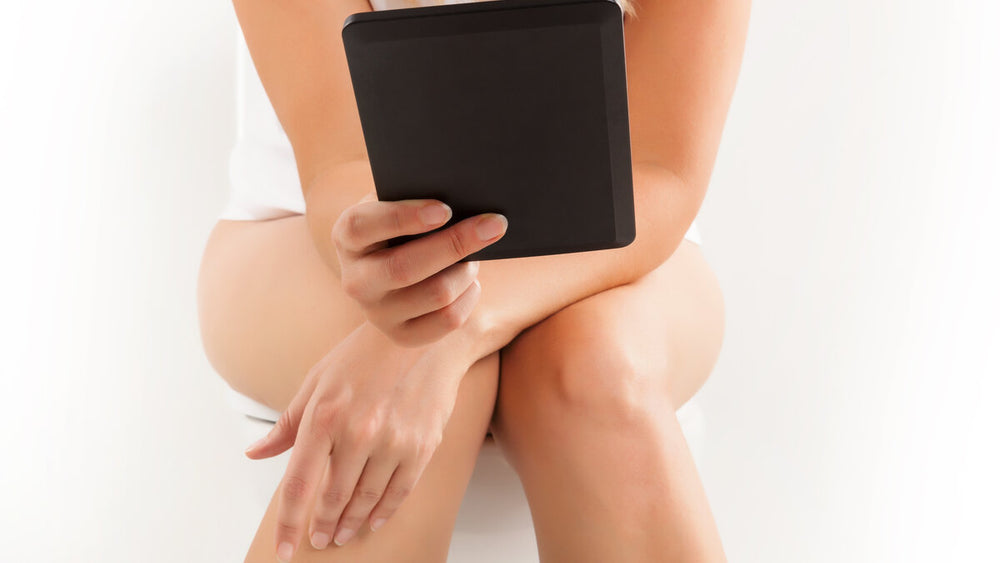
Toilet Scrolling and Hemorrhoids: Why Sitting Too Long on the Toilet Hurts Your Health
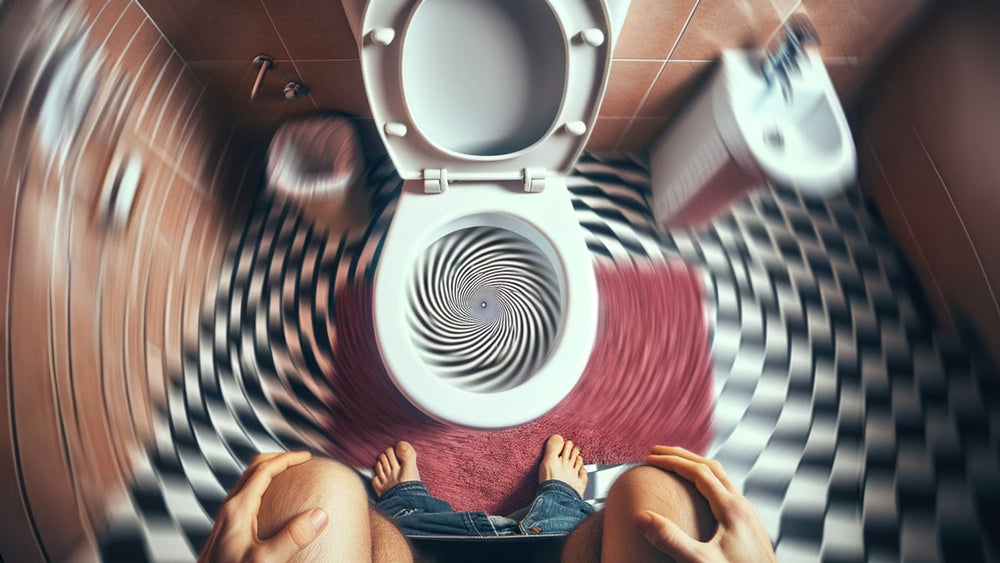
Whether you call it the toilet, commode, john, porcelain throne, or potty, everyone spends part of their day seated on it in the bathroom. In the past, people would bring a newspaper, magazine, or book when they had to, well….#2. Nowadays, the first thing we reach for is our phone or tablet, and what was once an in-and-out endeavor now becomes a 20-minute hiatus. (It’s okay, I’m guilty of doing it too) Unfortunately, we often leave the bathroom neither relieved nor pain-free.
These mini-vacations are wrecking our rears and tormenting our tushes and battering our butts! Don’t worry, Foodguides fam. We’ve got some methods guaranteed to deliver our derrieres from danger. I’ve also included some toilet tips for some interesting facts along the way.
The Link Between Prolonged Sitting and Hemorrhoids
While you may be concerned about your eyesight while straining to read your screen or your neck getting stiff from the awkward angle, it’s actually your bottom that’s taking the brunt of your bathroom break.
Defining Hemorrhoids (Piles) and Their Causes
Hemorrhoids, or piles, are swollen blood vessels that can occur inside, outside, and around your rectum. Internal hemorrhoids are rarely seen or felt, but can occur due to prolonged sitting or straining. External hemorrhoids are notorious for creating pain, itching, irritation, bleeding, and/or swelling around the anal opening.
Hemorrhoids can be caused by numerous activities and conditions, including prolonged sitting on the toilet, excessive pushing while having a bowel movement, chronic constipation or diarrhea, a low-fiber diet, pregnancy, straining while lifting a heavy object, and obesity.
Toilet Tip #1 - Hemorrhoids are here for us from the beginning! Everyone is born with hemorrhoids, but they only become a bother when irritated.
How Sitting Increases Pressure on Rectal Veins
The main culprit behind hemorrhoids? Gravity. The longer you sit on the toilet, the more difficult it is for your veins to push blood back to your heart for proper circulation. If the blood cannot return to its normal path, it will pool in the rectal area, creating pressure that can lead to hemorrhoids.
Toilet Tip #2 - An estimated 1 in 20 Americans experience hemorrhoid pain/irritation. More than half of people over the age of 50 regularly experience hemorrhoid symptoms.
Toilet Scrolling: Why This Habit is a Major Risk Factor
Phones, tablets, e-readers, laptops, and TVs are designed to capture your attention for long periods. When you take one of these devices into the bathroom, you’re prolonging your posterior’s pain.
The Anatomy of Risk: Increased Intra-Abdominal Pressure While Straining
Pooping is an entire-body process! When you strain to poop, your whole body is affected. The muscles in the pelvic floor and abdomen contract while your respiratory system completes the Valsalva maneuver (when you try to exhale with your mouth shut/nostrils closed). Straining during bowel movements increases intra-abdominal pressure, which can lead to strained muscles, anal fissures (tears), rectal prolapse (when the muscles holding the rectum collapse, allowing rectal tissue to protrude through the anus), and hemorrhoids.
Toilet Tip #3 - A study in Japan discovered a correlation between constipation and cardiovascular health. Straining to poop can cause drastic changes in heart rate and blood pressure, which can lead to negative cardiovascular events.
Time Multiplier: The Longer Duration of Rectal Engorgement
As mentioned above, gravity is the main perpetrator of hemorrhoids. When you sit on the toilet seat to complete a bowel movement, your rectum sits lower than the rest of your posterior. This position, in conjunction with straining and prolonged sitting, may increase your risk of developing hemorrhoids or worsening existing symptoms. Keep your turd time short and sweet!
Toilet Tip #4 - Hemorrhoids can be treated in numerous ways. A medical professional may use rubber band ligation, sclerotherapy, infrared coagulation, and/or electrocoagulation to diffuse hemorrhoids and relieve their horrendous symptoms.
Symptoms and Prevention Strategies
It’s not pleasant to talk/think about, but it’s a reality when you scroll for too long on the toilet. Help your hemorrhoids by limiting your lavatory lingerings.
Recognizing Common Hemorrhoid Symptoms (Itching, Pain, Bleeding)
The sooner you recognize your symptoms, the easier it will be to stop a hemorrhoid from becoming painful. Common symptoms of hemorrhoids include itching/irritation, pain, light bleeding, and swelling around the anal area. If any of these occur, try these over-the-counter remedies:
- A warm bath (at least twenty minutes, three times a day)
- Use a sitz bath (a device commonly found at local drugstores, designed specifically to clean the rectal area safely)
- Apply a cold pack to the affected area
- Topical gels/creams/ointments
Toilet Tip #5 - Talk to your doctor before using any laxatives or enemas to relieve constipation. Excessive use of these products can irritate hemorrhoids and can cause more harm than relief.
Breaking the Habit: Limiting Toilet Time and Setting Timers
Aim for a toilet time of five to ten minutes. Set a timer on your watch if you need to! Try not to use your phone in the bathroom to read, catch up on emails, shop, or doomscroll. This can prolong your sitting time and prevent your brain from focusing on the task at hand. If it's too tempting to play a quick round of Wordle, don’t bring your electronic device with you on your excrement excursion.
Toilet Tip #6 - Everyone’s stool schedule is unique! There is no set “normal” number of bowel movements a person should experience daily. Begin observing your schedule, and be sure to alert your healthcare provider if your number of dookie dashes increases or decreases exponentially.
Lifestyle Changes to Reduce Risk
There are ways to improve your bathroom experience off the toilet, too! Try these hacks to make your next dunny destination delightful.
The Role of Fiber and Hydration in Preventing Constipation
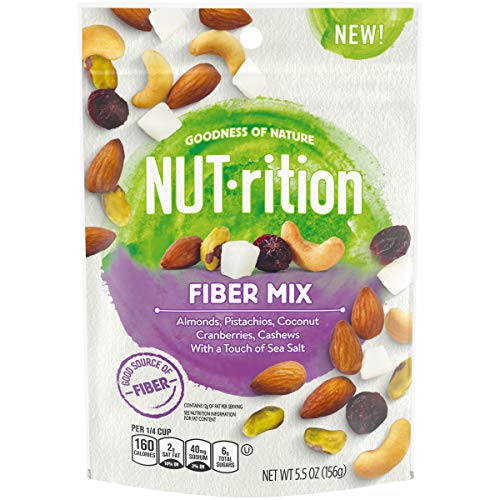
Fiber (both soluble and insoluble) helps soften stools, making for a smoother exit. Proper hydration also helps prevent constipation. If you’re experiencing hemorrhoids (or want to prevent them in the future), try adding high-fiber foods such as whole grains, fruits, and beans into your diet. Keep a water bottle nearby to boost hydration, or opt for fruit juices instead of sugary drinks.
Toilet Tip #7 - According to the Dietary Guidelines for Americans 2020-2025, a person with a 2,000-calorie-per-day diet should opt for 28 grams of fiber per day.
Using Proper Posture and Footrests (Squatting Position)
A proper pooping posture consists of a slight tilt from the pelvic area to the rectum. This squatting position can be supported through devices such as the Squatty Potty. By raising your feet and flexing your hips beyond 90 degrees, you can swiftly move stool from your intestines to your rectum, helping you avoid hemorrhoids.
Are there any other medical conditions you’d like us to research? Let us know in the comments below and on our social media pages!
FAQs
Can sitting on the toilet for too long really cause hemorrhoids?
Prolonged sitting on the toilet may increase pressure on the veins in the rectum and anus, which can contribute to the development or worsening of hemorrhoids. Spending extra time scrolling on your phone or reading in the bathroom can increase this pressure, especially if combined with straining.
How long should a bowel movement take?
Most healthcare professionals recommend spending no more than 5–10 minutes on the toilet. If a bowel movement isn't happening naturally, it's often best to get up and try again later rather than continuing to sit and strain.
Why is toilet scrolling bad for hemorrhoids?
When you're focused on your phone, it's easy to lose track of time and remain seated much longer than necessary. The longer you sit on the toilet, the more pressure is placed on the rectal veins, which may increase your risk of hemorrhoids or aggravate existing symptoms.
What are some ways to help prevent hemorrhoids?
Preventive strategies include eating enough fiber, staying hydrated, exercising regularly, responding promptly to the urge to have a bowel movement, and avoiding excessive straining. Limiting prolonged toilet sitting—including scrolling on your phone—can also help reduce pressure on the rectal area.
When should I see a healthcare provider about hemorrhoids?
You should contact a healthcare provider if you experience persistent rectal bleeding, severe pain, worsening symptoms, or changes in bowel habits. While hemorrhoids are common, bleeding and rectal discomfort can sometimes be signs of other conditions that require medical evaluation.
Does constipation increase the risk of hemorrhoids?
Yes. Constipation is one of the most common risk factors for hemorrhoids because hard stools and straining increase pressure on the veins around the rectum. Increasing fiber intake, drinking adequate fluids, and staying physically active may help promote more comfortable bowel movements.
References
1Cleveland Clinic. (2025). Hemorrhoids, Diseases and Conditions, https://my.clevelandclinic.org/health/diseases/15120-hemorrhoids
2Mayo Clinic Staff. (2025). Hemorrhoids, Mayo Clinic, https://www.mayoclinic.org/diseases-conditions/hemorrhoids/symptoms-causes/syc-20360268
3Hudson River Gastroenterology. (2026). Will sitting on the toilet too long really give me hemorrhoids?, Hudson River Gastroenterology, https://www.hudsonrivergi.com/blog/will-sitting-on-the-toilet-for-too-long-actually-give-me-hemorrhoids
4Fox, A., Tietze, P., and Ramakrishnan, K. (2014). Anorectal conditions: Hemorrhoids, FP Essentials, https://pubmed.ncbi.nlm.nih.gov/24742083/
5NIH. (2016). Eating, diet, and nutrition for hemorrhoids, National Institute of Diabetes and Digestive and Kidney Diseases, https://www.niddk.nih.gov/health-information/digestive-diseases/hemorrhoids/eating-diet-nutrition
6Liv Hospital. (2026). Push too hard to poop? 5 alarming dangers, Liv Hospital in Istanbul, https://int.livhospital.com/push-too-hard-to-poop/
7Ishiyama, Y., Hoshide, S., Mizuno, H., and Karlo, K. (2019). Constipation-induced pressor events as triggers for cardiovascular events, The Journal of Clinical Hypertension, https://pmc.ncbi.nlm.nih.gov/articles/PMC8030287/
8Aronoff, J. (2026). The four tiers for fast and effective hemorrhoid treatments, Jeffrey S Aronoff, MD - Colon and Rectal Specialist, https://www.colorectalassociates.com/blog/the-four-tiers-for-fast-and-effective-hemorrhoid-treatments
9Cleveland Clinic. (2024). Frequent bowel movements, Health Library, https://my.clevelandclinic.org/health/symptoms/17791-frequent-bowel-movements












 Recipes
 Products
Comments
Join The Conversation...