


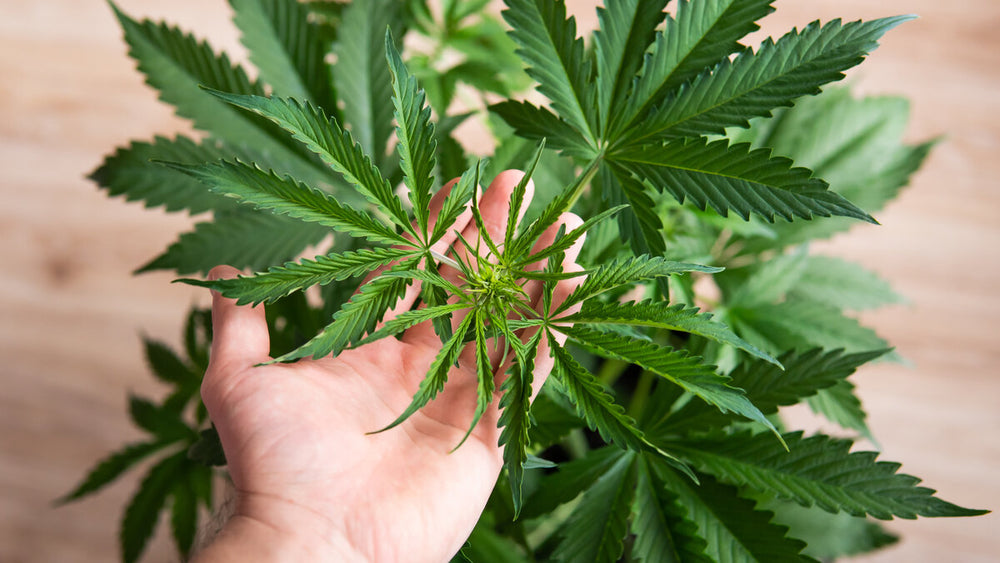
What is Cannabinoid Hyperemesis Syndrome (CHS)?
Have you ever met someone who frequently uses cannabis, also known as marijuana, to manage nausea, vomiting, or abdominal pain, only to find that these symptoms actually worsen with continued use? There is a reason for this. Cannabinoid Hyperemesis Syndrome (CHS) is a condition that causes recurring cycles of nausea, vomiting, and abdominal pain in people who have used marijuana for an extended period.
CHS is more than just a side effect of marijuana use—it is a serious medical condition that can lead to significant health complications if left untreated. Symptoms of CHS usually develop after 10 to 12 years of chronic marijuana use, but not everyone who uses marijuana long-term will develop the syndrome.
Interestingly, marijuana often reduces nausea and vomiting in the brain, but in the digestive tract, it appears to have the opposite effect, increasing the risk of these symptoms. At first, using marijuana may have anti-nausea effects, but over time, repeated marijuana use may cause certain brain receptors to stop responding, which could trigger the recurring vomiting episodes seen in CHS.
Interestingly, marijuana often reduces nausea and vomiting in the brain, but in the digestive tract, it appears to have the opposite effect, increasing the risk of these symptoms. At first, using marijuana may have anti-nausea effects, but over time, repeated marijuana use may cause certain brain receptors to stop responding, which could trigger the recurring vomiting episodes seen in CHS.
Recognizing the Symptoms and Phases of CHS
Typical symptoms of CHS include persistent nausea (often worse in the morning), severe stomach pain or discomfort, fear of throwing up, loss of appetite, and repeated vomiting and retching (making the sound and movement of vomiting). These episodes of vomiting and retching can occur as frequently as five times an hour.
People living with CHS may experience sudden, intense waves of vomiting that appear unexpectedly and then subside, leaving periods of relief. Doctors classify these fluctuations into three distinct stages: the prodromal phase, the hyperemetic phase, and the recovery phase.
People living with CHS may experience sudden, intense waves of vomiting that appear unexpectedly and then subside, leaving periods of relief. Doctors classify these fluctuations into three distinct stages: the prodromal phase, the hyperemetic phase, and the recovery phase.
- During the prodromal phase, people often experience early morning nausea and stomach pain. Most maintain their usual eating habits during this time, though some develop a fear of vomiting. Many may begin using marijuana more frequently, mistakenly believing it will relieve their nausea. This phase can persist for months or even years.
- The hyperemetic phase is marked by intense and relentless vomiting, the hallmark phase of CHS. This stage may last 24 to 48 hours, during which people often avoid certain foods or restrict their diets. Hot showers and baths become a person living with CHS’s best friend, as these hot showers and baths seem to ease their nausea. It is thought that high temperature affects the brain region that regulates vomiting. The hyperemetic phase continues until marijuana use stops.
- Once marijuana use ceases, the recovery phase begins. During this period, symptoms gradually resolve, and normal eating resumes. This phase continues as long as marijuana is avoided, but symptoms frequently return if marijuana use resumes.
CHS should be taken seriously because complications can develop. These include dehydration, electrolyte imbalances, malnutrition, weight loss, tooth decay, and injury to the esophagus from repeated vomiting. If you or someone you know has symptoms of CHS and a history of long-term marijuana use, it is important to contact a healthcare provider for guidance and support.
FAQs
What is Cannabinoid Hyperemesis Syndrome (CHS)?
Cannabinoid Hyperemesis Syndrome (CHS) is a condition characterized by recurring episodes of nausea, vomiting, and abdominal pain in people who use cannabis regularly over a long period of time. Symptoms often improve when cannabis use stops and may return if use resumes.
Why does cannabis help nausea for some people but cause CHS in others?
Cannabis can have anti-nausea effects in the brain, which is why it is sometimes used therapeutically. However, chronic cannabis use may affect receptors in the digestive tract and nervous system differently over time. Researchers believe these changes may contribute to the cycle of nausea and vomiting seen in CHS, though the exact mechanism is still being studied.
Can CHS cause a gut health flare?
Yes. CHS can trigger significant digestive symptoms, including severe nausea, abdominal pain, vomiting, loss of appetite, dehydration, and difficulty eating. These symptoms can disrupt normal digestion, affect nutrient intake, and create a major "gut health flare" that may be mistaken for other gastrointestinal conditions such as IBS, gastritis, food poisoning, or acid reflux.
Why do hot showers seem to help people with CHS?
Many people with CHS report temporary symptom relief from hot showers or baths. Researchers believe heat may affect areas of the brain and nervous system involved in regulating nausea and vomiting. While hot bathing can provide short-term comfort, it does not treat the underlying cause of CHS.
How is CHS treated?
The most effective treatment for CHS is stopping cannabis use completely. During severe episodes, medical treatment may be needed to manage dehydration, electrolyte imbalances, and persistent vomiting. Most people enter the recovery phase once cannabis use is discontinued.
When should someone seek medical care for CHS symptoms?
Seek medical attention if vomiting is severe, persistent, or accompanied by signs of dehydration such as dizziness, weakness, decreased urination, or inability to keep fluids down. Repeated vomiting can lead to serious complications, including electrolyte imbalances, malnutrition, and damage to the esophagus.
References
1Anderson, M., & Pierce-Smith, D. (n.d.). Cannabis Hyperemesis Syndrome (CHS). Cedars Sinai. https://www.cedars-sinai.org/health-library/diseases-and-conditions/c/cannabinoid-hyperemesis-syndrome.html
2What’s cannabinoid hyperemesis syndrome (CHS)? Cleveland Clinic. (2025, November 18). https://my.clevelandclinic.org/health/diseases/21665-cannabis-hyperemesis-syndrome


















 Recipes
 Products

Comments
Join The Conversation...