


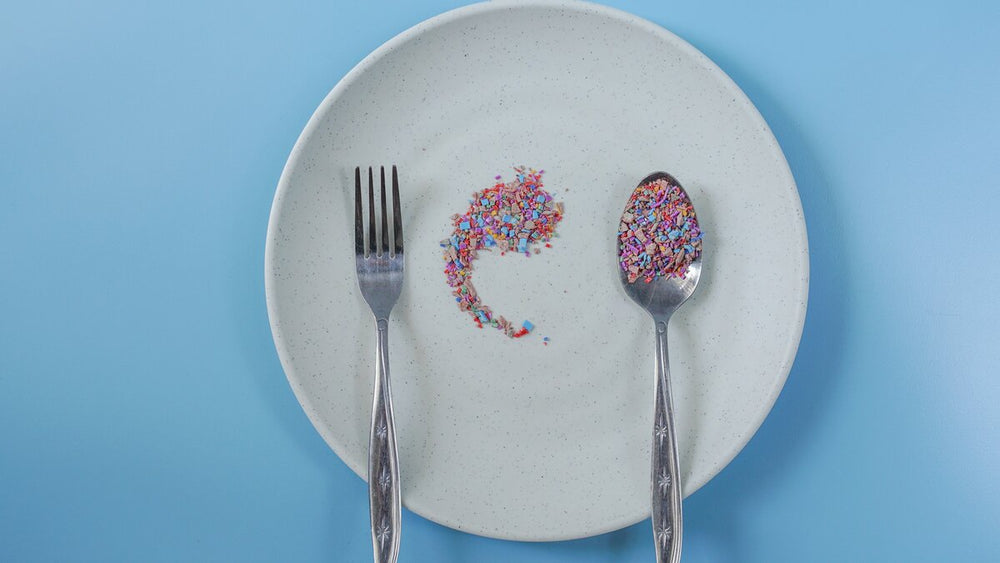
How Microplastics May Affect Gut Health and IBS
We know that increasing plastic production is detrimental to the environment, but did you know that it may also be detrimental to our digestive health? For sufferers of IBS, this added complication may be bad news.
What Are Microplastics?
Microplastics are very small plastic particles, less than 5 millimeters in size. They can either be manufactured as intentionally small particles, such as packaging pellets, or be byproducts of larger plastic products breaking apart. Because plastic is not biodegradable, it can accumulate in the environment or in our bodies. Microplastics enter the body through inhalation, skin contact, or unintentional ingestion.
Ingestion is the most direct way that microplastics enter our gut. Accidental dietary sources include seafood, drinking from water bottles, and consuming food packaged in plastic, especially if it is heated in plastic. Scientists have even detected microplastics in some salt. Unfortunately, in Western society, avoiding microplastics is largely unavoidable. Once ingested, much of the microplastic we consume passes through and out of our digestive tract. However, some may interact with our intestinal microbiota.
Microplastics and the Gut Microbiome
A systematic review of microplastics and the gut microbiome found that microplastic exposure may impact the gut in several ways.
1. Gut dysbiosis: Animal studies have found that microplastic exposure can cause dysbiosis, aka an imbalance in the types of microorganisms living within the gut. Specifically, microplastics are linked to decreased levels of beneficial bacteria and increased levels of harmful bacteria.
2. SCFA production: A byproduct of metabolism is the beneficial short-chain-fatty-acid (SCFA) production. Microplastic exposure has been shown to inhibit SCFA production, with some types of plastic having a stronger negative effect than others.
3. Inflammation: Microplastic exposure has been linked with increased inflammation within the colon and the intestinal barrier.
It is important to note that some research has been conducted in humans, but most studies to date have been conducted in animal models. However, we do know that changes in the microbiome can affect digestion, immune responses, and gut barrier function in both animals and humans.
What This Could Mean for IBS
Changes in gut microbiota composition, metabolism, and inflammation are also implicated in GI disorders such as IBS. Research is in its early stages, investigating whether microplastics directly affect IBS, but the working hypothesis is that they could worsen pre-existing IBS or increase its incidence. As a reminder, symptoms of IBS can include bloating, abdominal pain, constipation, and/or diarrhea.
What Can We Do About This?
Completely avoiding microplastics may not be possible, but there are steps we can take to limit our exposure.
- Avoid drinking out of plastic water bottles and certainly don’t leave them in hot cars, as the heat may cause plastic leaching.
- Remove food from plastic packaging prior to heating it up.
- Update your storage cabinet with glass storage containers instead of plastic.
- Focus on whole foods, as ultra-processed foods may contain more microplastics.
- To prevent skin exposure, consider investing in clothes made from natural fibers as opposed to synthetic versions.
- Filter your water and your air to remove microplastics that are in drinking water or in the air you breathe.
We can only control so much, so if you feel like these suggestions are a tall order, consider picking just one new habit at a time. You can also reinforce your gut health through diet and lifestyle. Prioritize eating a diverse range of whole foods, consuming pre- and probiotics, and managing stress. To learn more tips for supporting a healthy gut microbiome, check out this article here.
FAQs
What are microplastics, and how do they get into our food?
Microplastics are tiny plastic particles smaller than 5 millimeters in size. They can enter the food supply through contaminated water, seafood, food packaging, and even table salt. Heating food in plastic containers may also increase exposure by allowing plastic particles to migrate into food.
Can microplastics affect the gut microbiome?
Emerging research suggests that microplastics may disrupt the balance of beneficial bacteria in the gut, a condition known as dysbiosis. Studies have also linked microplastic exposure to reduced production of short-chain fatty acids (SCFAs), compounds that help support gut health and maintain the intestinal barrier.
Could microplastics make IBS symptoms worse?
While research is still developing, scientists believe microplastics may contribute to inflammation, changes in gut bacteria, and altered gut function—all factors that are associated with IBS. Although a direct cause-and-effect relationship has not been confirmed, microplastics may potentially aggravate symptoms in some individuals with IBS.
How can I reduce my exposure to microplastics?
Simple strategies include using reusable glass or stainless-steel water bottles, avoiding heating food in plastic containers, choosing glass food-storage containers, filtering drinking water, and prioritizing whole foods over highly processed products. While completely avoiding microplastics may not be possible, these steps may help reduce overall exposure.
Can supporting gut health help counter some of the potential effects of microplastics?
A diet rich in fiber, prebiotics, and probiotic-containing foods may help support a healthy gut microbiome. Managing stress, staying physically active, and eating a diverse range of whole foods can also promote gut resilience and overall digestive health.
References
1De Nido, C. G., Centonze, D., Palermo, C., González-Sálamo, J., & Hernández-Borges, J. (2025). Microplastics in salt: A critical review of contamination, analytical methodologies, and health implications. Journal of Chromatography Open, 8, 100276. https://doi.org/10.1016/j.jcoa.2025.100276
2Thin, Z. S., Chew, J., Ong, T. Y. Y., Raja Ali, R. A., & Gew, L. T. (2025). Impact of microplastics on the human gut microbiome: a systematic review of microbial composition, diversity, and metabolic disruptions. BMC gastroenterology, 25(1), 583. https://doi.org/10.1186/s12876-025-04140-2










 Recipes
 Products
Comments
Join The Conversation...