


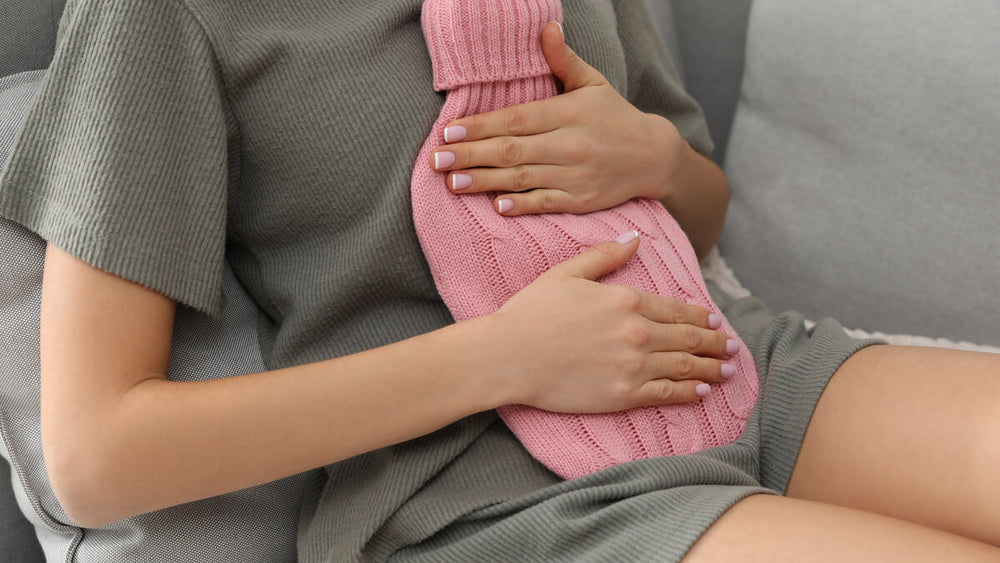
Physicians frequently see women frustrated because their gastroesophageal reflux disease (GERD) follows an unpredictable, roller-coaster pattern. They maintain a consistent diet, yet some weeks are symptom-free while others bring severe heartburn. If this sounds familiar, your symptoms are not in your head. Your menstrual cycle and your digestive system are connected.
Understanding how your reproductive hormones interact with your gastrointestinal (GI) tract is the first step toward reclaiming control of your gut health. Let’s look at the medical science behind why your cycle may drive reflux and how you can manage it.
How the Menstrual Cycle Affects the Digestive System
The menstrual cycle is driven by the hormones estrogen and progesterone, best known for their roles in reproduction. However, they also play essential roles throughout the entire body.
- During your period: Estrogen and progesterone are low
- Before ovulation: Estrogen rises.
- After ovulation: Progesterone rises.
- Before the next period: Estrogen and progesterone levels fall.
Changes in reproductive hormones may influence gastrointestinal motility, sensitivity, and other aspects of digestive function. Because their levels fluctuate throughout the menstrual cycle, the gastrointestinal effects also fluctuate.
Common Digestive Symptoms Linked to Hormonal Changes
As the reproductive hormone levels change during the menstrual cycle, they may also impact several digestive processes.
Movement of food through the digestive tract: Estrogen and progesterone can alter how quickly the stomach empties and how food and waste move through the intestines. Progesterone, in particular, may slow this movement by relaxing digestive muscles, which can contribute to fullness, bloating, or constipation.
Smooth muscle activity: The stomach, intestines, and lower esophageal sphincter rely on smooth muscle to move food and prevent stomach contents from flowing back into the esophagus. Progesterone may relax this muscle. In susceptible individuals, reduced pressure in the lower esophageal sphincter may make reflux more likely.
Sensitivity to digestive sensations: Hormonal changes may affect how the nervous system processes signals from the digestive tract. As a result, normal stretching, gas, intestinal contractions, or small amounts of reflux may feel more uncomfortable during certain phases of the cycle.
The gut–brain axis: Estrogen and progesterone interact with neurotransmitters and stress-response pathways that mediate communication between the brain and the digestive system. These interactions may influence nausea, appetite, pain perception, bowel habits, and the intensity of reflux symptoms.
Digestive symptoms reported around menstruation may include:
- Heartburn or regurgitation
- Bloating and abdominal pressure
- Nausea
- Indigestion or early fullness
- Constipation or diarrhea
- Abdominal cramping
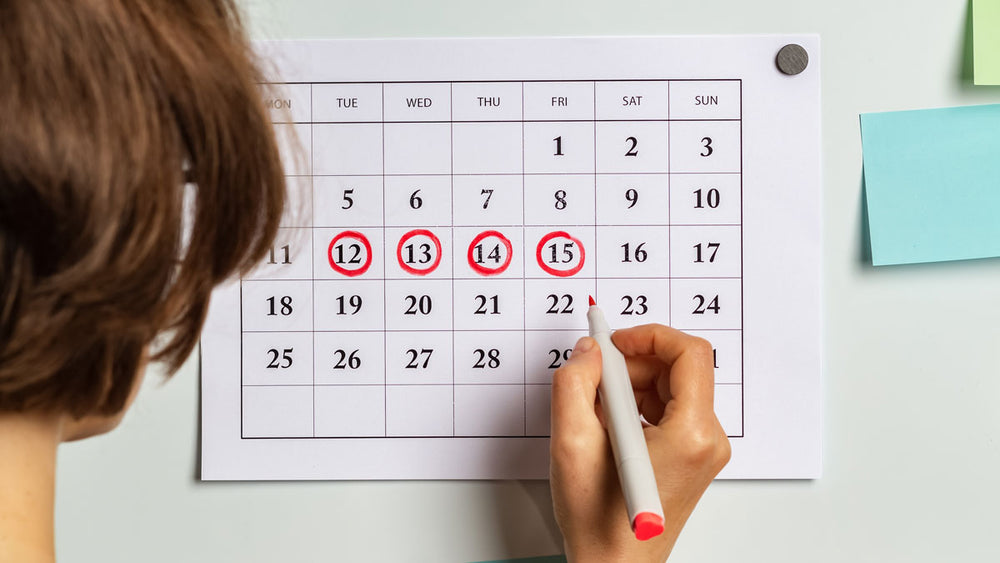
These symptoms can overlap, which sometimes makes it difficult to identify their source. A burning sensation behind the breastbone or fluid rising into the throat is more consistent with reflux. Lower abdominal cramping and changes in bowel movements are more likely to reflect intestinal or menstrual effects. Keeping a symptom journal for two or three cycles can help reveal a pattern. Record when the symptoms occur, their severity, meals and snacks, sleep, stress, medications, and the first day of each period.
Why GERD Symptoms May Worsen Before or During a Period
GERD occurs when stomach contents repeatedly flow back into the esophagus. One of the body’s main defenses against reflux is the lower esophageal sphincter, or LES—a ring of muscle between the esophagus and stomach.
Progesterone may influence lower esophageal sphincter function, but studies conducted during the normal menstrual cycle have produced conflicting results. One small early study found slightly lower LES pressure and more provoked reflux during the luteal phase (before period), whereas subsequent studies found no significant differences in LES pressure, esophageal motility, or acid exposure between cycle phases. Therefore, it remains uncertain whether normal progesterone changes directly contribute to reflux.
Other possible contributors to reflux before a period include:
- Changes in stomach or intestinal motility
- Bloating, which may increase pressure within the abdomen
- Greater sensitivity to normal amounts of reflux
- Stress, poor sleep, food cravings, or changes in eating patterns
- Medications used for menstrual pain. For example, ibuprofen, naproxen, and other nonsteroidal anti-inflammatory drugs can irritate the upper digestive tract in some people. This irritation may feel similar to or occur alongside GERD.
Managing GERD During Hormonal Fluctuations
If you notice reflux before your period, begin preventive measures several days before symptoms usually appear:
- Eat smaller meals and avoid overeating.
- Remain upright for at least two to three hours after eating.
- Limit your personal trigger foods rather than unnecessarily eliminating many foods. Common triggers include alcohol, chocolate, caffeine, high-fat meals, peppermint, spicy foods, and acidic foods.
- Avoid late-night meals, particularly if you experience nighttime reflux.
- Elevate the head of the bed if reflux regularly wakes you.
- Choose loose-fitting clothing when bloating is present.
- Protect your sleep and use stress-management strategies such as gentle movement, breathing exercises, or meditation.
- Take prescribed GERD medication consistently and according to your clinician’s instructions.
The American College of Gastroenterology recommends avoiding meals within two to three hours of bedtime and suggests avoiding foods that trigger an individual’s GERD symptoms rather than routinely eliminating foods that do not cause symptoms. Do not increase, stop, or change acid-reducing medication solely because your period is approaching without discussing it with your healthcare provider.
When to Talk to a Healthcare Provider
Talk to your doctor if reflux occurs frequently, worsens, interferes with sleep or daily activities, or doesn't improve with your usual treatment. Your healthcare provider can determine whether GERD, medication-related irritation, another digestive condition, or a combination of factors is causing your symptoms.
Conclusion
Hormonal changes may help explain why GERD symptoms fluctuate during the menstrual cycle, but the pattern is different for every woman. Tracking reflux alongside your menstrual phases, meals, sleep, stress, and medication use can help identify your more vulnerable days. With targeted preventive measures and medical guidance as needed, you can develop a proactive plan to manage reflux throughout the month.
FAQs
Can your period make acid reflux worse?
Some women notice that heartburn or other digestive symptoms change around their menstrual period. However, research has not established that normal menstrual hormone fluctuations directly cause GERD or increased acid reflux. Hormonal changes may influence gastrointestinal function and symptom perception, while factors such as bloating, stress, sleep, eating patterns, and medications may also contribute.
Does progesterone cause acid reflux?
Researchers have investigated progesterone because of its potential effects on smooth muscle and lower esophageal sphincter (LES) pressure. However, studies examining normal menstrual cycles have produced conflicting findings. Earlier research suggested that LES pressure may decrease during the luteal phase, while subsequent studies found no significant changes in LES pressure or esophageal acid exposure. More research is needed to determine whether normal progesterone fluctuations meaningfully affect GERD symptoms.
Why do I have more digestive problems around my period?
Changes in reproductive hormones and other substances involved in menstruation may affect gastrointestinal motility, sensitivity, and bowel habits. Women may experience symptoms such as bloating, abdominal pain, constipation, diarrhea, nausea, or indigestion before or during menstruation. These symptoms can also occur alongside GERD, so it helps to track when and how they develop.
How can I manage GERD symptoms that seem to worsen around my period?
Start by tracking your symptoms for several menstrual cycles to identify a consistent pattern. When reflux typically worsens, strategies such as eating smaller meals, avoiding meals within a few hours of bedtime, staying upright after eating, and limiting your individual trigger foods may help. If symptoms are frequent, severe, or aren't controlled by your usual GERD treatment, discuss them with your healthcare provider rather than changing medications on your own.
References
1Reed, B. G., & Carr, B. R. (2018). The normal menstrual cycle and the control of ovulation. In K. R. Feingold, R. A. Adler, S. F. Ahmed, et al. (Eds.), Endotext. MDText.com, Inc. https://www.ncbi.nlm.nih.gov/books/NBK279054/
2Bernstein, M. T., Graff, L. A., Avery, L., Palatnick, C., Parnerowski, K., & Targownik, L. E. (2014). Gastrointestinal symptoms before and during menses in healthy women. BMC women's health, 14, 14. https://doi.org/10.1186/1472-6874-14-14
3Katz, P. O., Dunbar, K. B., Schnoll-Sussman, F. H., Greer, K. B., Yadlapati, R., & Spechler, S. J. (2022). ACG Clinical Guideline for the Diagnosis and Management of Gastroesophageal Reflux Disease. The American journal of gastroenterology, 117(1), 27–56. https://doi.org/10.14309/ajg.0000000000001538
















 Recipes
 Products
Comments
Join The Conversation...