


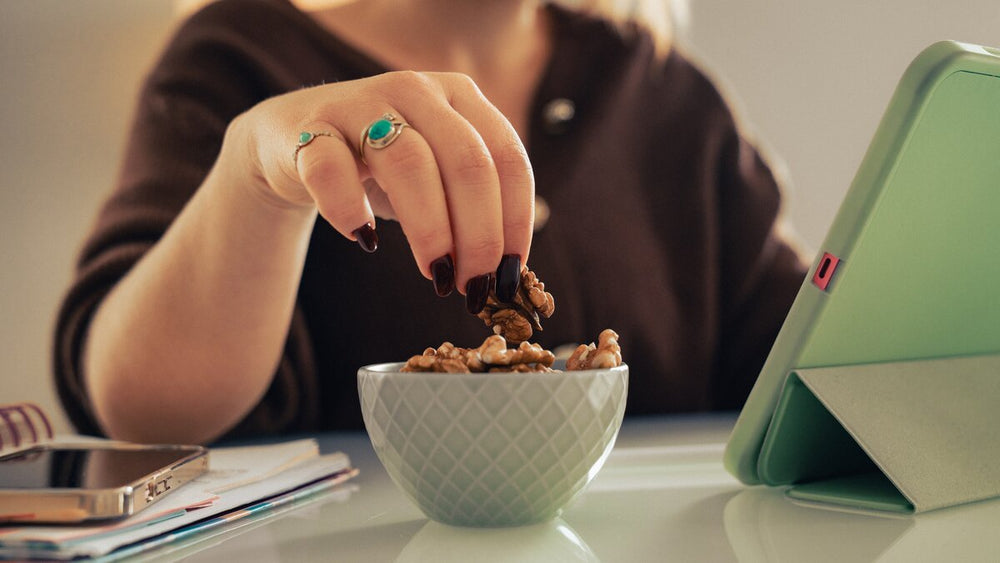
Have you ever noticed that an upset stomach can make it harder to concentrate—or that stress seems to show up in your digestive system? That connection is not merely in your head. Your gut and brain continually exchange signals through an intricate network involving the nervous system, immune system, hormones, and gut microbiome. Although researchers are still uncovering how these pathways affect human cognition, the emerging science offers another compelling reason to care for both digestive and brain health. Let’s explore how the gut-brain connection works and the everyday habits that may help support it.
The Enteric Nervous System: Your Second Brain
The enteric nervous system (ENS), aka the 'second brain,' is the largest collection of neurons that exists outside of the central nervous system. These neurons can coordinate motility of the gut, such as the stomach emptying appropriately or the intestines moving food throughout the bowels. They can also coordinate secretions, which are very important in the digestive process. This could include digestive enzymes and bile. Lastly, they play a key role in the overall health and function of the gut barrier.
As medical professionals explain in the Metabolic Brain Disease journal, the gut barrier should be thought of as a great wall, which should be impenetrable to undigested (or nonhydrolyzed) food. Once food is fully hydrolyzed in the gut as intended, the absorption process can begin. This includes food molecules crossing the gut barrier and entering the bloodstream, usually heading to the liver first. This process is necessary and ideal; however, with a weak gut barrier (as we often see in irritable bowel syndrome), food can sneak past before it is fully broken down, leading to bloating, distention, pain, and diarrhea. This is often referred to as 'leaky gut'. You can see how the ENS is crucial to overall gut function and a key player in digestion.
So how do neurons and the bowel tissue, two seemingly separate systems, impact each other? And how does the gut microbiome play into this? The answer is via the vagus nerve and various neurotransmitters. The vagus nerve belongs to the autonomic nervous system (ANS), or our 'rest and digest' signaling pathway. The vagus nerve directly connects the brainstem to the gut, although it does not directly interact with the gut bacteria. Through a complex process involving signaling messengers, receptors, and mediators, the bacteria in our gut can also communicate back to the brain.
So, what does this mean for us? It means keeping our microbiome happy and our vagal nerve activated can improve digestion and possibly cognitive performance.
How Gut Dysbiosis Impacts Cognitive Performance
Maintaining gut homeostasis is of high importance. An imbalanced gut can manifest as brain fog, poor memory, and even impact decision-making, moving beyond just mood implications. There are several mechanistic ways this can occur.
The first and most impactful way dysbiosis can impact brain power is by causing increased intestinal permeability (often called "leaky gut"). This condition allows undigested food particles, toxins, and microbes to cross the intestinal barrier into the bloodstream. This barrier breakdown can trigger systemic and localized gut inflammation, leading to severe digestive issues and discomfort. Once these toxins and inflammatory signals enter the circulation, they can cross the blood-brain barrier, ultimately causing neuroinflammation and altering optimal brain function.
A good, balanced gut can also help synthesize important brain messengers, such as serotonin and dopamine. Once dysbiosis occurs, these modulating processes are also negatively impacted. The direct result may include irritable mood, poor stress management, and impaired cognition. In animal models, clear links between gut dysbiosis and Alzheimer's disease exist. This is incredibly concerning and worth your time and attention. Researchers do note that GI symptoms of a disrupted microbiome will precede any neurodegenerative impacts by several years.
Once gut dysbiosis is identified, it is of high importance that it is corrected as soon and as safely as possible. So how do we do this? There are a few tried-and-true methods. A diverse probiotic (meaning various different strains) can go a long way, but recent research suggests we can replenish our microbiome with food alone. However, if you feel partial to a probiotic, it is best to think of probiotics and food as complementary systems rather than interchangeable (meaning you still need to eat your fruits and veggies!).
Fiber will be the key focus for reestablishing gut symbiosis. Fiber is relatively simple; check out this article for a deep dive on the two types and recommended allotments. As part of the digestive process, the good (and bad) bacteria in our gut feed off the fiber. The Journal of Internal Medicine published a thorough review in 2025 that even goes so far as to say a low-fiber diet drives dysbiosis.
While you may be tempted to 'test' the adequacy of your microbiome, know that a majority of the studies we have on the gut-brain axis have been conducted using animal models. Check out this article to see if testing the balance of gut bacteria is a good option for you.
Nootropics from Your Plate: Brain-Boosting Gut Foods
For the generally healthy adult, a diet rich in fiber will do the trick for a gut in dysbiosis (with probiotics functioning more as a 'cherry on top'). Think outside the box with this - incorporate more farro, beets, and leafy greens. Adding fermented foods will help even more, such as kimchi (try a Japanese omelet), sauerkraut, and kefir (great to add to smoothies, by the way). Note that not all yogurts have live bacterial activity (be sure to check food labels), but it is still a nutritious food option regardless. Topping a bowl of (probiotic-rich) yogurt with berries and a seed mixture (think chia, flax, and black sesame) would be an excellent way to get > 10 grams of fiber from one snack.
'Fibermaxxing' may be one of the only diet trends that dietitians actually agree with. Of course, too much of a good thing is still too much. An aggressive provision of fiber, specifically in a dehydrated person, could possibly lead to a fiber-related bowel obstruction. Staying hydrated is crucial to maintaining regular bowel movements and general gut health, particularly when upping your fiber intake.
Beyond fibrous foods and fermented add-ons, recent research on fish oil's effects on neurodegeneration is quite positive. If you eat fish regularly (1-2 servings per week), you likely don't need to supplement with extra omega fatty acids, since you are already reaping the neuroprotective benefits. For non-fish eaters, incorporating a fish oil supplement (specifically one with a high amount of omega-3 fatty acids) is strongly correlated with reduced risk of dementia or general cognitive decline. This is for several reasons; most importantly, high levels of omega-3 fatty acids can help reduce neuroinflammation (which a high-fiber diet and a happy gut microbiome can also help reduce).
So, eat your fruits and vegetables, kids! And if you're like me (a non-fish eater), consider a fish oil supplement.
Lifestyle Hacks for a Sharper Mind and Happier Gut
A healthy diet is not the only option to improve your neurocognition and keep your microbiome in balance. The American College of Cardiology endorses several lifestyle modifications that are associated with better brain health. Aim for at least 30 minutes of physical activity each day, incorporating resistance training and cardio; this increases blood flow to the brain and can help lower overall inflammation. This will greatly impact neurocognition and even contribute to improved neuroplasticity (which refers to the brain's capacity to change neural connections/behaviors).
Keeping your mind engaged works wonders. Try learning a new language! While this is incredibly daunting, this is the level of challenge needed to improve neuroplasticity. One massive clinical trial called ACTIVE (Advanced Cognitive Training for Independent and vital elderly), which included almost 3,000 elderly participants, found a direct link between cognitive training (i.e., reading, studying language) and a significant risk reduction for dementia. So, this is a friendly reminder to do those daily crosswords and pick up French lessons again.
The last but arguably most important intervention for a sharp mind and healthy gut is adequate sleep. There are strong correlations between adequate sleep and neuroprotective effects. The American Heart Association put out a statement in 2024 showing a clear relationship between sleep disorders and Alzheimer's disease. Shockingly (or maybe not shockingly), insomnia is linked with a 53% increased risk of developing dementia. While we sleep, our brain cleans house. Think about street sweepers; they are scattered throughout the brain, no doubt using the donate/keep/trash organization method (kidding).
Regardless, truly restful sleep allows optimal neuron cleaning and leads to better brain health overall. Prioritize whatever you need to do to get good sleep. Note: a good physical activity regimen and a general healthful diet can contribute greatly to deep and restorative sleep. For a healthy brain and gut, let's put the pieces all together - eat fiber, exercise, complete a daily word puzzle, and count sheep!
FAQs
Can gut health really affect brain function?
The gut and brain communicate through the gut-brain axis, which involves the nervous system, immune signaling, hormones, and gut microbiome. Emerging research suggests changes in this system may influence mood and cognitive function, although scientists are still working to understand these relationships in humans.
What foods support both gut and brain health?
A varied diet rich in fiber-containing plant foods can help support a diverse gut microbiome. Fruits, vegetables, whole grains, seeds, and fermented foods can contribute fiber and other nutrients, while foods rich in omega-3 fatty acids may offer additional brain-health benefits.
Should I take probiotics to improve my gut-brain connection?
Not necessarily. Probiotics may be helpful in certain circumstances, but they aren't a replacement for a varied, fiber-rich diet, and their effects can differ by strain and individual. Food and probiotics are better viewed as potentially complementary approaches rather than interchangeable ones.
What lifestyle habits can support both digestive and cognitive health?
Nutrition is only one piece of the puzzle. Regular physical activity, adequate sleep, and activities that keep the brain engaged can support overall brain health while complementing habits that promote digestive health.
References
1Hao, Y.-Y., Zhao, Z.-A., Zhang, L.-M., & Zhao, Z.-G. (2026). Targeting the gut-brain axis: microbial interventions for neurological disorders. Metabolic Brain Disease, 41(1). https://doi.org/10.1007/s11011-026-01877-x
2Cohen, S. (2026, January 6). Is “fibermaxxing” a sound nutrition trend? UCLA Health. https://www.uclahealth.org/news/article/fibermaxxing-sound-nutrition-trend
3Gold, S., Park, S., Katz, J., McClave, S., & Martindale, R. (2025). The Evolving Guidelines on Fiber Intake for Patients with Inflammatory Bowel Disease; From Exclusion to Texture Modification. Current gastroenterology reports, 27(1), 23. https://doi.org/10.1007/s11894-025-00975-7
4Wei, B. Z., Li, L., Dong, C. W., Tan, C. C., Alzheimer’s Disease Neuroimaging Initiative, & Xu, W. (2023). The Relationship of Omega-3 Fatty Acids with Dementia and Cognitive Decline: Evidence from Prospective Cohort Studies of Supplementation, Dietary Intake, and Blood Markers. The American journal of clinical nutrition, 117(6), 1096–1109. https://doi.org/10.1016/j.ajcnut.2023.04.001
5Gottesman, R. F., Lutsey, P. L., Benveniste, H., Brown, D. L., Full, K. M., Lee, J. M., Osorio, R. S., Pase, M. P., Redeker, N. S., Redline, S., Spira, A. P., & American Heart Association Stroke Council; Council on Cardiovascular and Stroke Nursing; and Council on Hypertension (2024). Impact of Sleep Disorders and Disturbed Sleep on Brain Health: A Scientific Statement From the American Heart Association. Stroke, 55(3), e61–e76. https://doi.org/10.1161/STR.0000000000000453
6The active study. BrainHQ. (2026, July 31). https://www.brainhq.com/world-class-science/information-researchers/active-study/
7Alexander, K. P., Damluji, A. A., Erqou, S., Ferrucci, L., Forman, D. E., Galasko, D., & Yaffe, K. (2026). Cognitive Impairment and Frailty in Older Adults With Cardiovascular Disease: 2026 ACC Scientific Statement: A Report of the American College of Cardiology. Journal of the American College of Cardiology, S0735-1097(26)07126-3. Advance online publication. https://doi.org/10.1016/j.jacc.2026.07.009
8Zhu, M. (2022, October 26). Kimchi Omurice. Omnivore’s Cookbook. https://omnivorescookbook.com/kimchi-omurice/
9Schoultz, I., Claesson, M. J., Dominguez-Bello, M. G., Fåk Hållenius, F., Konturek, P., Korpela, K., Laursen, M. F., Penders, J., Roager, H., Vatanen, T., Öhman, L., & Jenmalm, M. C. (2025). Gut microbiota development across the lifespan: Disease links and health-promoting interventions. Journal of internal medicine, 297(6), 560–583. https://doi.org/10.1111/joim.20089
10Krishnapriya, Rishikesh, Kishanchand, D. K., Haack, I., Hosseini, S., Deepti, A., Sudhadevi, T., Michaelsen-Preusse, K., Sivan, U., Korte, M., & Sasidharan, B. C. P. (2025). Gut dysbiosis leads to cognitive decline through CNTF-mediated activation of microglia in mice. BMC biology, 23(1), 355. https://doi.org/10.1186/s12915-025-02454-x














 Recipes
 Products
Comments
Join The Conversation...