



Understanding Microbiome Testing: What It Promises
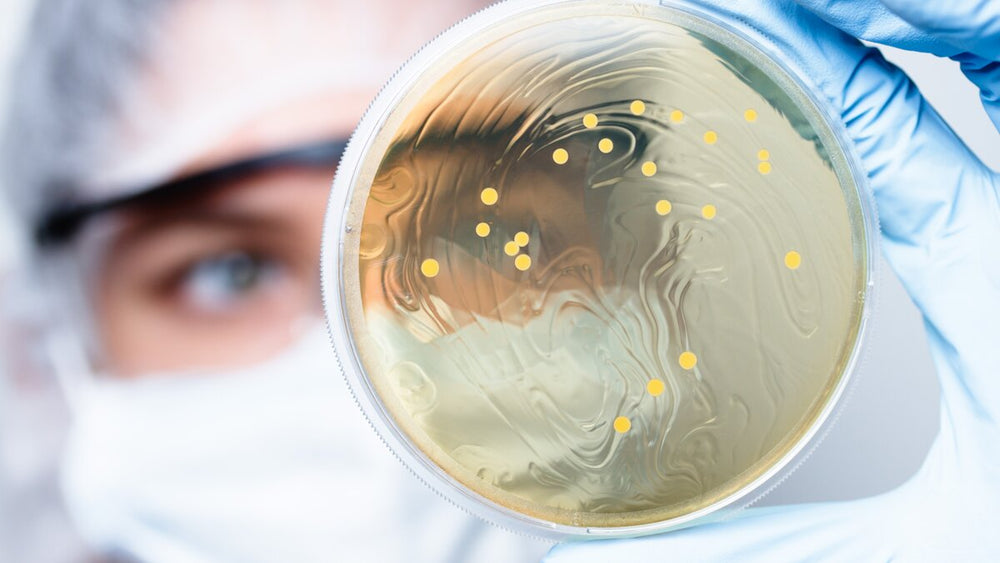
Ah, the microbiome, the future of medicine, the forgotten battleground by many. The microbiome (trillions of bacteria living in harmony within our gut) is a highly complex system that has emerged in public health and media over the last decade and is definitively linked to several disease states. We are finding more (and more) out about just how crucial a balanced microbiome is, and how significant the impact can be if it is not. But how can you tell if your microbiome is balanced? There are two very specific tools that can help: amplicon sequencing (such as 16S rRNA gene sequencing) and whole-genome shotgun metagenomic sequencing.
There are many initial search results when you look this up, but be wary of gimmicky companies promising a comprehensive look at your gut bacteria. In fact, consider discussing with your primary care doctor how to best test your microbiome before submitting a sample to an online retailer that costs an arm and a leg. There are no FDA-approved at-home gut microbiome tests, and none have been validated for their effectiveness in assessing overall health. Similarly, at this time, we still do not have a benchmark for what constitutes healthy or symbiotic. Mayo Clinic is hoping to change this.
The Current Scientific View on Efficacy
Mayo Clinic established a very interesting microbiome tool last year, called the Gut Microbiome Wellness Index 2, a metagenomic-based indicator for assessing health and even determining the likelihood that an individual has a chronic disease state (beyond other clinical indications). This index tool was established after evaluating over 8,000 stool samples and their associated microbiome activity, and it has high reliability in distinguishing between healthy and unhealthy gut phenotypes.
The overview of this index and the respective meta-analyses is extensive and not in layman’s terms, but it does offer a detailed explanation of gene mapping, analysis, and how it can function as a predictor for overall health. The goal of this tool is to determine a ‘baseline’ microbiome for healthy individuals and establish a standard ‘symbiotic profile’.
The overview of this index and the respective meta-analyses is extensive and not in layman’s terms, but it does offer a detailed explanation of gene mapping, analysis, and how it can function as a predictor for overall health. The goal of this tool is to determine a ‘baseline’ microbiome for healthy individuals and establish a standard ‘symbiotic profile’.
Navigating Results and Future Directions
Our understanding of the microbiome as a society is still in its infancy, and we have much more to learn. At this time, consulting a licensed health care provider is the recommended approach for mapping your microbiome. Research is ongoing, with several multi-year studies underway (e.g., the Human Microbiome Project).
Until a benchmark for a ‘normal’ gut can be established, hold off on those at-home biome analysis tests and instead consider participating in clinical trials. Overall, the microbiome is exciting! It feels like an alternative universe we’ve discovered, with native hosts and living organisms. More to come on this exciting new(ish) medical landmine.
Until a benchmark for a ‘normal’ gut can be established, hold off on those at-home biome analysis tests and instead consider participating in clinical trials. Overall, the microbiome is exciting! It feels like an alternative universe we’ve discovered, with native hosts and living organisms. More to come on this exciting new(ish) medical landmine.
FAQs
Can a microbiome test diagnose digestive disorders?
No. While microbiome tests can provide information about the types of microorganisms present in a stool sample, they cannot diagnose conditions such as irritable bowel syndrome (IBS), inflammatory bowel disease (IBD), celiac disease, or gastroesophageal reflux disease (GERD). Diagnosis of these conditions requires a comprehensive evaluation by a healthcare professional, which may include a medical history, physical examination, laboratory testing, and other diagnostic procedures.
How accurate are at-home microbiome tests?
Most commercially available microbiome tests can identify many of the bacteria present in a stool sample. However, interpreting what those findings mean for an individual's health remains challenging. The gut microbiome is highly complex and influenced by factors such as diet, medications, age, geography, and lifestyle. As a result, experts caution against relying solely on microbiome test results to make healthcare decisions.
Should I change my diet based on a microbiome test report?
It is generally best to discuss microbiome test results with a qualified healthcare provider, such as a registered dietitian or physician, before making significant dietary changes. Some recommendations generated by commercial testing companies may be based on emerging research rather than established clinical guidelines. Personalized advice should consider your symptoms, medical history, dietary needs, and health goals.
What are some evidence-based ways to support a healthy gut microbiome?
Research consistently supports lifestyle habits such as eating a variety of fiber-rich foods, consuming fruits and vegetables regularly, engaging in physical activity, managing stress, getting adequate sleep, and, when appropriate, limiting unnecessary antibiotic use. These strategies have stronger scientific support than many microbiome test-based interventions currently available.
Is microbiome testing worth it?
The answer depends on your goals. Microbiome testing can be interesting and may provide insights into your gut bacteria's composition. However, current evidence suggests that most tests have limited clinical utility for diagnosing disease or creating highly personalized treatment plans. Consumers should view these reports as informational rather than definitive medical assessments and discuss any concerns with a healthcare professional.
References
1National Center for Biotechnology Information. (n.d.). https://pmc.ncbi.nlm.nih.gov/articles/PMC11927397/
2Nature. (n.d.). s41467-024-51651-9. Nature. https://www.nature.com/articles/s41467-024-51651-9














 Recipes
 Products

Comments
Join The Conversation...