



The Non-Industrialized Microbiome Diet: How Eating “Wilder” Can Transform Gut Health
You’ve heard of eating for a healthier gut, but have you heard of eating for a wilder gut? The concept was recently explored by researchers who linked the impact of eating a non-industrialized-type diet on gut health. While their study was specific, we can adapt some of its principles to reap its health benefits.
Breaking Down the Research on the Non-Industrialized Microbiome Diet
Let’s do a quick overview of some highlights from the study published in 2025. In this randomized controlled trial, researchers implemented a diet that mimicked ancestral diets in their Canadian test subjects, which they called the “restore diet”. This non-industrialized diet was primarily plant-based, with high fiber and limited intake of wheat, dairy, or ultra-processed foods. The treatment group was also given an inoculation of L. reuteri, a bacterium rarely present in the gut microbiomes of people on industrialized diets. The goal of introducing this bacterium was to determine whether the restored diet would help repopulate the gut microbiome with L. reuteri.
Results indicated that the restored diet increased the abundance of the L. reuteri bacterial strain, despite a decline in overall gut diversity. An increased number of bowel movements per day was reported, likely due to higher fiber intake on a non-industrialized diet. Additional results included decreased body weight, fasting glucose, and fasting cholesterol, as well as decreased inflammatory markers. Improvements in plasma metabolites linked to chronic diseases were also observed, including decreased pro-inflammatory taxa and increased fecal short-chain fatty acids. In short, eating a diet resembling that of our ancestors and introducing bacteria native to non-industrialized regions of the world demonstrated a variety of health benefits. That’s wild.
Practical Steps to Embrace this Eating Approach
So how can we implement this knowledge when we don’t have a team of researchers preparing a curated diet plan for us? Daily shifts in your diet can make a big difference.
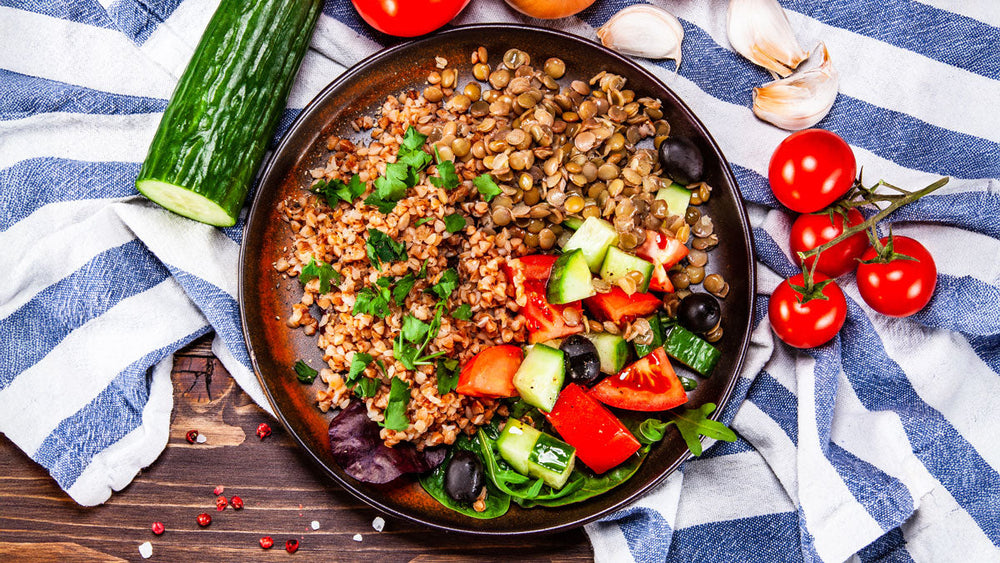
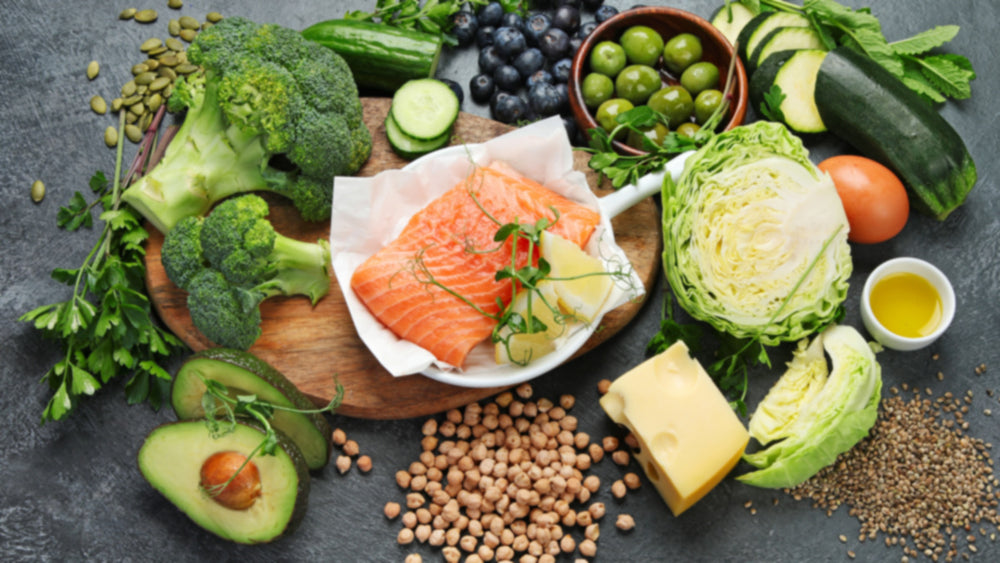
1) Emphasize whole, unprocessed foods. This is the cornerstone of the diet, as our ancestors in the pre-industrialization age didn’t have access to food in boxes and bags. Try preparing your meals with whole ingredients like fruits, vegetables, whole grains, nuts, seeds, eggs, meats, and legumes.
2) Source foods locally. Because our ancestors also couldn’t ship their food from far and wide, it’s possible that eating locally benefited their gut microbiomes and health as well. Try shopping at local farmers' markets, co-op programs, or even growing some of your own food at home.
3) Experimenting with fermentation at home. Believe it or not, fermentation has been around for a long time and can be included in a non-industrialized diet. To minimize ultra-processed foods that may have sneaky sugars or other additives, try your hand at fermenting foods at home.
4) Incorporate diverse plant fibers and traditional ingredients. While the research results didn’t show an improvement in gut diversity, they were from just one study, and gut diversity is something we should always aim for. One way to achieve this is by eating a wide variety of foods. Try some traditional ingredients like spices and herbs, or at the very least, switch up your plant foods seasonally to mix up your meals.
In the 21st century, we’d be hard-pressed to fully adhere to a non-industrialized microbiome diet. But that doesn’t mean challenges should stop us from wanting to improve our health one meal or habit change at a time. Are you ready to eat just a little wilder? Let us know in the comments below what steps you plan to take to walk in the shoes of our ancestors!
FAQs
What is a non-industrialized microbiome diet?
A non-industrialized microbiome diet is an eating pattern designed to resemble the diets consumed before modern food processing became widespread. It emphasizes whole, minimally processed foods such as fruits, vegetables, legumes, nuts, seeds, whole grains, and modest amounts of animal products while limiting ultra-processed foods, added sugars, and highly refined ingredients. The goal is to support a healthier gut microbiome and overall wellness.
Do I need to completely eliminate processed foods to benefit my gut microbiome?
No. Most people do not need to completely avoid all processed foods to improve gut health. Even small changes—such as eating more fruits and vegetables, choosing whole grains, cooking at home more often, and reducing ultra-processed foods—can positively influence the gut microbiome. Progress is often more sustainable than perfection.
Why is fiber so important for gut health?
Dietary fiber acts as fuel for beneficial gut bacteria. When these microbes ferment fiber, they produce compounds called short-chain fatty acids (SCFAs), which help support gut barrier function, immune health, and inflammation regulation. Eating a variety of fiber-rich plant foods is one of the best ways to promote a healthy and diverse microbiome.
Can fermented foods improve gut health?
Fermented foods may support gut health by providing beneficial microorganisms and compounds produced during fermentation. Foods such as yogurt, kefir, sauerkraut, kimchi, tempeh, and fermented vegetables can be included as part of a gut-friendly eating pattern. However, fermented foods work best when combined with an overall diet rich in fiber and whole foods.
What's the easiest way to start eating for a "wilder" microbiome?
Start by adding—not restricting. Aim to include one additional plant food each week, shop at a local farmers market when possible, experiment with herbs and spices you haven't tried before, and choose whole-food snacks more often. Small, consistent changes can help create a more diverse and resilient gut microbiome over time.
References
1Li, F., Armet, A. M., Korpela, K., Liu, J., Quevedo, R. M., Asnicar, F., Seethaler, B., Rusnak, T. B. S., Cole, J. L., Zhang, Z., Zhao, S., Wang, X., Gagnon, A., Deehan, E. C., Mota, J. F., Bakal, J. A., Greiner, R., Knights, D., Segata, N., Bischoff, S. C., … Walter, J. (2025). Cardiometabolic benefits of a non-industrialized-type diet are linked to gut microbiome modulation. Cell, 188(5), 1226–1247.e18. https://doi.org/10.1016/j.cell.2024.12.034












 Recipes
 Products
Comments
Join The Conversation...