



Gut Health on a Budget: Affordable Ways to Support Your Microbiome Without Breaking the Bank
Does it ever feel like you must go into debt to follow common gut health trends? I get it! Expensive supplements, pricey probiotic beverages, and trips to specialty grocery stores can be piggy bank breakers. Some of these recommendations may be missing the mark, and by going back to gut-health basics, we can save our microbiome and our wallets.
Why a Diverse Microbiome is Essential for Overall Well-being
Let’s rewind and talk about why this trend is everywhere in the first place. A healthy and diverse gut microbiome is essential for smooth digestion, nutrient absorption, and immune function. Symptoms of an unhealthy gut can range from more obvious GI symptoms like constipation, gas, or bloating. They can also manifest in surprising ways, such as frequent infections and fatigue. Identifying the causes of these symptoms and treating them can add up to healthcare costs and fees. As always, it’s ideal to take a preventative approach and invest in our well-being. After all, our health is our wealth.
Budget-Friendly Pillars of a Diverse Gut-Healthy Diet
The pillars of a gut-friendly diet include two key elements: fiber and fermented foods.
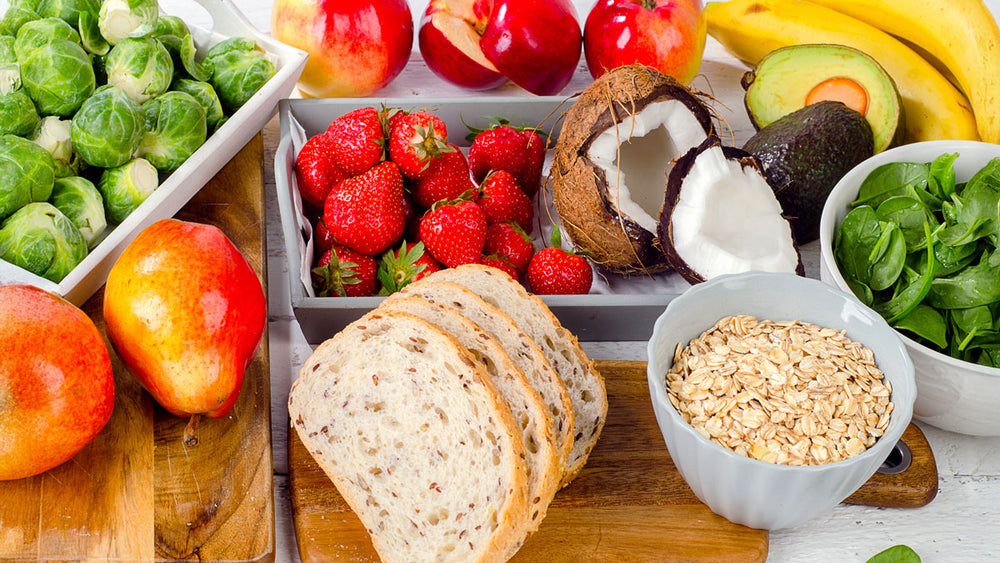
Friendly Fiber: Fiber can be found to some extent in nearly all plant foods. Affordable options that offer great bang for your buck include legumes, grains, and root vegetables. These can typically be bought at a low cost but provide several servings per package. They also tend to have a longer shelf-life than other options, meaning less food waste and more time to use up your groceries before you have to spend more money.
Embracing Fermented Foods: DIY and Inexpensive Options: Skip the fancy kombucha drinks and opt for fermented options like kefir, sauerkraut, tempeh, miso, and live-culture yogurts. You could even try your hand at making fermented vegetables, like kimchi or sauerkraut, at home yourself!
Smart Shopping and Preparation Strategies for Cost-Effective Gut Support
Frozen Produce, Bulk Buying, and Sales
To maximize value when buying food, take some time to plan your grocery list in advance. Check out weekly sales at your grocery store to inspire your week’s meal plan and see if any coupons are available. Going into the store with a gut-friendly list can also keep you from impulse buying foods that you don’t need. Consider buying staples, such as high-fiber lentils or fermented kefir, in bulk to save on the per-unit price.
When buying produce, don’t be afraid to choose frozen over fresh. You’ll still get the same gut benefits, but sometimes the price point will be slashed. Also, check whether your grocery store offers discounts on produce with blemishes or imperfections. Most of the time, these are still perfectly edible, but they aren’t as attractive. Stores will give you a discount if you take that produce off their hands!
Cooking at Home: Simple Recipes for Gut Health on a Dime
We all know that cooking from home is cheaper than eating out. There are also some strategies for keeping your in-home meals more cost-effective.
-
Go plant-based some days. Meat drives up the cost of a meal. Choosing whole, plant-based food alternatives keeps costs down and fiber up. It also gives you an opportunity to experiment with fermented tempeh, which is a good source of protein.
- Keep meals simple. Not every meal needs to be gourmet! Try rice and beans, but jazz it up with high-fiber avocado, a dollop of Greek yogurt with live active cultures instead of sour cream, and salsa for a quick burrito bowl. Or, create a one-pot lentil and vegetable soup using up leftover vegetables from the meals you’ve created throughout the week. Sitr in some miso for extra flavor and fermented magic.
When you invest in your health, you usually see some immediate and long-term results. But the investment does not always have to mean investing actual dollars. Taking care of your gut health could just mean investing intentionality into what you feed your body. What intention do you plan to set today?
FAQs
Do I need expensive supplements to improve gut health?
Not necessarily. While some supplements may be beneficial in specific situations, many of the foundations of good gut health—such as eating fiber-rich foods and including fermented foods in your diet—can be achieved using affordable grocery staples. If you're considering supplements, speak with a healthcare provider or registered dietitian to determine whether they are appropriate for your needs.
What are some of the most affordable foods for gut health?
Some of the most budget-friendly gut-friendly foods include beans, lentils, oats, brown rice, potatoes, sweet potatoes, carrots, cabbage, and frozen vegetables. These foods are rich in fiber, have a long shelf life, and can be used in a variety of meals.
Are frozen fruits and vegetables as healthy as fresh?
Yes. Frozen produce is often picked and frozen at peak ripeness, helping preserve nutrients. It can be an excellent, cost-effective option for supporting gut health while reducing food waste.
Do fermented foods have to be expensive?
No. While specialty probiotic beverages can be costly, many fermented foods are relatively inexpensive. Yogurt with live cultures, kefir, sauerkraut, tempeh, and miso are often available at reasonable prices, and some fermented foods can even be made at home.
How does fiber support gut health?
Fiber acts as a food source for beneficial gut bacteria. When gut microbes ferment certain fibers, they produce short-chain fatty acids that support digestive health, gut barrier function, and overall wellness.
Can I improve my gut health if I have IBS?
Many people with IBS can benefit from supporting their gut microbiome, but the best approach varies from person to person. Some high-fiber foods and fermented foods may be well tolerated, while others may trigger symptoms. Working with a registered dietitian can help identify the foods that work best for your individual needs.
What is the easiest first step for improving gut health on a budget?
Start by adding one affordable fiber-rich food to your meals each day. This could be oatmeal at breakfast, beans added to a soup or salad, or frozen vegetables served with dinner. Small, consistent changes can have a meaningful impact over time.
How long does it take to see benefits from gut-friendly dietary changes?
Everyone is different, but some people notice improvements in digestion within a few days to a few weeks of increasing fiber intake and eating a more diverse range of plant foods. Longer-term benefits to the gut microbiome develop through consistent dietary habits.
References
1Krajmalnik-Brown, R., Ilhan, Z. E., Kang, D. W., & DiBaise, J. K. (2012). Effects of gut microbes on nutrient absorption and energy regulation. Nutrition in clinical practice : official publication of the American Society for Parenteral and Enteral Nutrition, 27(2), 201–214. https://doi.org/10.1177/0884533611436116













 Recipes
 Products
Comments
Join The Conversation...