


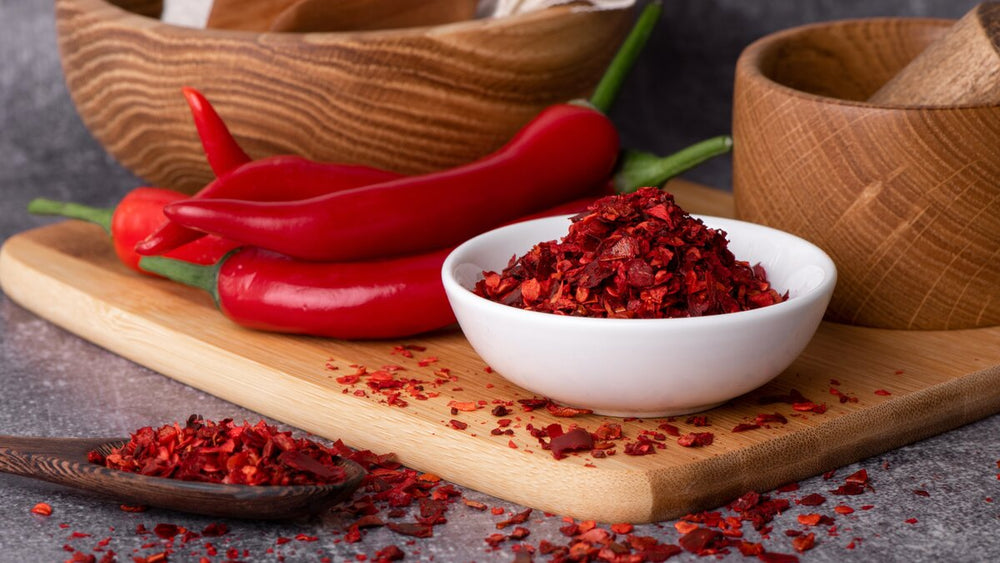
The Myth of "Negative Calorie" and "Fat-Burning" Foods
We all remember the celery craze in the 2010s; eating or drinking celery juice was so negligible from a caloric standpoint that your body actually burned energy digesting it. We now know this to be false (and, in fact, healthcare professionals knew that back then). So why did this lead our appearance-obsessed society down a rabbit hole of ‘fat-burning’ foods? Along the way, there was some miscommunication.
Introducing: the thermic effect of food (TEF). The thermic effect is a well-known metabolic process in the body that occurs 1-3 hours after food intake. Our metabolic rates increase, reflecting the energy our bodies use to digest food. TEF typically accounts for 5-15% of our total energy expenditure, but can vary depending on the macronutrient composition of the food (e.g., carbohydrates vs. fat vs. protein). Protein, notably, has the highest thermic effect (i.e. burns the most calories digesting). Fat is at the bottom of the thermic effect of food chain (get it?), taking the least amount of stored energy to digest and process.
Introducing: the thermic effect of food (TEF). The thermic effect is a well-known metabolic process in the body that occurs 1-3 hours after food intake. Our metabolic rates increase, reflecting the energy our bodies use to digest food. TEF typically accounts for 5-15% of our total energy expenditure, but can vary depending on the macronutrient composition of the food (e.g., carbohydrates vs. fat vs. protein). Protein, notably, has the highest thermic effect (i.e. burns the most calories digesting). Fat is at the bottom of the thermic effect of food chain (get it?), taking the least amount of stored energy to digest and process.
If you’re wondering how we burn calories by eating foods that give us…calories, let’s review anatomy and physiology 101. When food enters our mouths, a slew of metabolic reactions and processes begin. Gastric acid and other digestive products are secreted in the stomach; enzymes and other organic compounds are introduced into the small intestine; and, once absorbed, nutrients have quite a ways to go before reaching their end point. All of these things take energy (aka adenosine triphosphate, if you’re serious about metabolic reactions).
Let’s chat a bit about why no foods actually ‘burn’ body fat. Actual fat loss requires a prolonged, sustained energy deficit, causing the body to metabolize stored fat for energy. Individual foods can affect metabolism or hunger, but they do not selectively burn fat. Overall, fat loss is systemic (not spot-reducing or targeted to certain areas) and largely governed by hormones and energy balance. Thermogenesis is also limited; some foods may not raise your energy expenditure by more than 1%. Even with very low-calorie foods (i.e., celery), the calories burned during digestion are minimal and do not exceed the food’s energy content.
Foods That Boost Metabolism and (Indirectly) Support Fat Loss
As discussed above, protein has the highest thermic effect. Protein is particularly helpful during periods of intentional weight loss because it can improve satiety and help preserve lean body mass (which is very important when in a calorie deficit).
Thermic effects aside, high-fiber foods do wonders for your metabolism (and your microbiome), possibly helping to reduce blood pressure, improve insulin sensitivity, and improve glycemic control. Similarly, caffeine can actually increase fat oxidation (i.e., breakdown) as shown in a few clinical trials, but the effects are inconsistent and depend largely on weight, age, gender, total diet, and activity levels. The beneficial effects of caffeine are more pronounced when combined with increased physical activity and reduced caloric intake, leading to mobilization of body fat and weight reduction.
Healthy fats, particularly unsaturated fats, have also been shown to support insulin sensitivity (i.e., tightly controlled blood glucose levels, which we want) through cellular reactions that enhance glucose metabolism. These can be further explored by examining the results of the OmniHeart trial, a large randomized clinical trial evaluating the impact of three diets on blood pressure and other health indicators. A tightly run ship (i.e., the digestive tract and metabolic response) is the key to longevity and maintaining a healthy body weight.
The Only Magic Formula: Energy Balance and Consistency
Nutrition information can be very loud and, oftentimes, misleading. The best approach is to focus on overall energy balance. Prioritize protein, fiber, whole foods, and staying active. Use substances such as caffeine and stay hydrated to optimize metabolic function. It’s as annoying for me to type this as it is for you to read it: consistency is key. It is repeated over and over again because it is the single truth when it comes to adjusting body composition.
If possible, interpret ‘miracle-food’ claims with a healthy degree of skepticism. Investigate further, using tools such as PubMed, Open Evidence, or the National Institute of Health to see if any clinical trials or review papers confirm the results of the ‘miracle-food’ claim. The most important thing we have is our health, and it deserves attention, intention, and energy (stepping off the soap box now).
FAQs
Are there really foods that burn more calories than they contain?
No. While some foods, such as celery and other high-fiber vegetables, require energy to digest, the calories burned during digestion do not exceed the calories the food provides. This is why so-called "negative calorie foods" are considered a myth.
What is the thermic effect of food (TEF)?
The thermic effect of food (TEF) refers to the calories your body burns digesting, absorbing, and processing nutrients after a meal. Protein has the highest thermic effect, followed by carbohydrates, while fat requires the least energy to digest. TEF contributes to daily energy expenditure, but it is not large enough to cause significant weight loss on its own.
What foods can help support a healthy metabolism?
Foods rich in protein, fiber, and healthy fats can support metabolic health by promoting satiety, preserving lean muscle mass, supporting blood sugar control, and encouraging healthy digestion. While these foods do not directly "burn fat," they can make it easier to maintain habits that support long-term weight management.
Does caffeine help you burn fat?
Caffeine may temporarily increase energy expenditure and fat oxidation in some individuals. However, the effects are generally modest and vary based on factors such as age, body size, activity level, and overall diet. Caffeine works best as part of a healthy lifestyle—not as a standalone weight-loss strategy.
If no foods burn fat, what actually causes fat loss?
Fat loss occurs when the body consistently uses more energy than it takes in over time, creating an energy deficit. Regular physical activity, balanced nutrition, adequate sleep, and sustainable lifestyle habits are the most effective tools for supporting long-term changes in body composition.
Why are "miracle food" weight-loss claims so common?
Weight-loss promises are often appealing because they suggest a simple solution to a complex process. In reality, no single food, supplement, or beverage can override overall eating patterns and lifestyle habits. When evaluating health claims, look for evidence from reputable research sources and be cautious of products or diets that promise rapid results.
References
1Appel, L. J., Sacks, F. M., Carey, V. J., Obarzanek, E., Swain, J. F., Miller, E. R., 3rd, Conlin, P. R., Erlinger, T. P., Rosner, B. A., Laranjo, N. M., Charleston, J., McCarron, P., Bishop, L. M., & OmniHeart Collaborative Research Group (2005). Effects of protein, monounsaturated fat, and carbohydrate intake on blood pressure and serum lipids: results of the OmniHeart randomized trial. JAMA, 294(19), 2455–2464. https://doi.org/10.1001/jama.294.19.2455
2van Dam, R. M., Hu, F. B., & Willett, W. C. (2020). Coffee, Caffeine, and Health. New England Journal of Medicine, 383(4), 369–378. https://doi.org/10.1056/nejmra1816604













 Recipes
 Products
Comments
Join The Conversation...