



What is Probiotic Soda? Defining the Functional Beverage Trend
Ah, probiotic soda: the new health trend taking over youths and millennials alike. But what IS probiotic soda, and how is it different from fan-favorite kombucha? Admittedly, it is a huge step up from traditional soda consumption, which had nations in a chokehold. However, there are some key differences we need to discuss.
Traditional soda, you know the kinds, is artificially sweetened and chemically carbonated (CO2 is injected). While tasty (with lime, anyone?), they offer little to no nutritional value and, with regular consumption (and time), can contribute to disastrous health outcomes, such as diabetes.
The sugar content of traditional soda is typically quite high; there is no natural fermentation taking place, and no probiotic activity. One regular 12-oz can of Coca-Cola contains 39 grams of sugar (all added). This is equivalent to ~10 sugar cubes or half a pint of Häagen-Dazs vanilla ice cream. Imagine having half a pint of vanilla ice cream 2-3 times a day, what a visual! While diet versions of traditional soda are available, they introduce artificial sweeteners, which are not benign either. Check out this series on artificial sweeteners for a deeper exploration.
Probiotic soda has a few key differences from traditional soda. Carbonation may be added to these products, depending on the brand, or it may be a natural result of fermentation (most probiotic sodas are not fermented). The sugar content is much lower than in traditional soda. If we take OLIPOP Cherry Cola, it has 5 g of total sugar (1 g added). At first glance, this sounds fantastic, and compared to traditional soda, it is. However, if you explore the ingredient list further, you’ll see generic ‘natural flavors’ and perhaps a stevia leaf extract included. It is always cause for suspicion when brands use ‘natural flavors’ as a descriptor, as the FDA has not taken a firm stance on regulating these mystery ingredients (plus, transparency is important to the public).
Probiotic strains are added during the processing of these beverages and offer a range of nutritional benefits, depending on the strain. There are dozens upon dozens of different live strains, but most probiotic sodas contain Bacillus Subtilis, a strain noted for its ability to survive acidic (and carbonated) environments. While other fermented foods can offer a much wider variety of probiotics, Bacillus Subtilis still packs a punch and has been shown to improve gastrointestinal symptoms in adults over a 6-week period.
Probiotic strains are added during the processing of these beverages and offer a range of nutritional benefits, depending on the strain. There are dozens upon dozens of different live strains, but most probiotic sodas contain Bacillus Subtilis, a strain noted for its ability to survive acidic (and carbonated) environments. While other fermented foods can offer a much wider variety of probiotics, Bacillus Subtilis still packs a punch and has been shown to improve gastrointestinal symptoms in adults over a 6-week period.
Probiotic Soda vs. The Alternatives
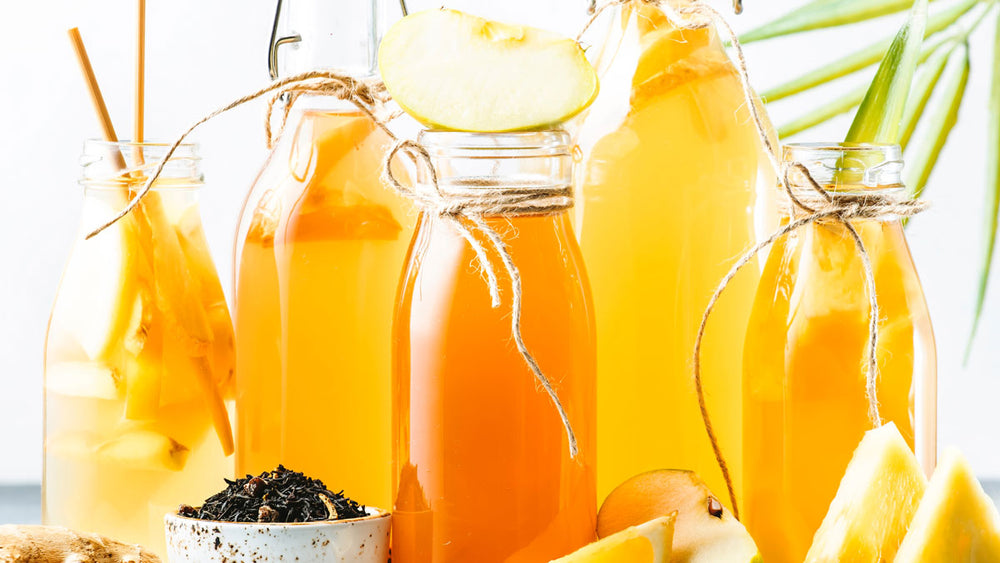
While we can all agree that probiotic sodas are more nutritionally valuable than traditional sodas, there are other alternatives to consider. Kombucha, a tangy (and often naturally sweetened) tea, is much older than you might think. Estimated to be over 5,000 years old, Kombucha is believed to have been created by accident when microorganisms seeking a place to colonize happened upon a sugary solution. Compared to probiotic sodas, Kombucha IS fermented and naturally carbonates as a result.
Several strains can actively grow in kombucha without compromising the mixture's stability, making it a more gut-favorable option (however, strain type and amount will vary depending on the brand). Similar to probiotic soda, kombucha tends to be lower in calories and has minimal to no added sugar (varies by brand). Because of the natural fermentation process, kombucha does contain trace amounts of alcohol. According to Medical News Today, this percentage of alcohol is actually very low (< 0.5%). So low that kombucha is classified as a nonalcoholic beverage.
Several strains can actively grow in kombucha without compromising the mixture's stability, making it a more gut-favorable option (however, strain type and amount will vary depending on the brand). Similar to probiotic soda, kombucha tends to be lower in calories and has minimal to no added sugar (varies by brand). Because of the natural fermentation process, kombucha does contain trace amounts of alcohol. According to Medical News Today, this percentage of alcohol is actually very low (< 0.5%). So low that kombucha is classified as a nonalcoholic beverage.
Buying and Consumption Considerations
Luckily, both kombucha and probiotic sodas are widely available in most U.S. grocery stores, convenience stores, and even bars and movie theaters. Kombucha needs to be refrigerated, whereas probiotic sodas are shelf-stable at room temperature, making them a much friendlier option for on-the-go use. Regardless of which option you chose, check the back of the label and search for ‘active cultures’. If ‘inactive cultures’ is instead listed, consider other options. If the option to also improve gut health is there, take it!
While this goes without saying, there can be too much of a good thing. Probiotic soda and kombucha alike offer health benefits without being calorie-dense. However, our friends over at the Cleveland Clinic caution that excess consumption can lead to nausea, headaches, and gastrointestinal distress. Enjoy with practiced patience, and let the good bacteria get to work!
FAQs
Is probiotic soda actually good for gut health?
Probiotic soda may offer some gut health benefits because it contains live probiotic strains, such as Bacillus subtilis, that can help support a healthy gut microbiome. However, probiotic sodas typically contain fewer probiotic strains than fermented foods like yogurt, kefir, kimchi, or kombucha. They can be a convenient addition to a balanced diet, but they should not be considered a replacement for a diverse intake of probiotic-rich foods.
What is the difference between probiotic soda and kombucha?
The biggest difference is that kombucha is a fermented beverage, while most probiotic sodas are not. Kombucha naturally develops probiotics through fermentation and often contains a wider variety of beneficial microorganisms. Probiotic sodas usually have specific probiotic strains added during manufacturing and are often shelf-stable, making them more convenient for on-the-go consumption.
Is probiotic soda healthier than traditional soda?
In many cases, yes. Probiotic sodas generally contain significantly less added sugar than traditional soft drinks and may provide beneficial bacteria that support digestive health. However, they can still contain ingredients such as natural flavors, sweeteners, or added fibers, so it is important to read the nutrition facts and ingredient list when choosing a product.
Can drinking too much probiotic soda cause digestive symptoms?
Yes. While probiotics can support digestive health, consuming large amounts may cause temporary symptoms such as gas, bloating, nausea, headaches, or changes in bowel habits, especially in people who are not accustomed to probiotic foods or beverages. It is often best to start slowly and monitor your individual tolerance.
How do I choose a quality probiotic beverage?
Look for products that list active or live cultures on the label, have moderate amounts of added sugar, and provide clear information about the probiotic strains they contain. Whether choosing probiotic soda or kombucha, selecting products with transparent ingredient lists and minimal added sugars can help support both gut health and overall nutrition goals.
References
1Garvey, S. M., Mah, E., Blonquist, T. M., Kaden, V. N., & Spears, J. L. (2022). The probiotic Bacillus subtilis BS50 decreases gastrointestinal symptoms in healthy adults: a randomized, double-blind, placebo-controlled trial. Gut Microbes, 14(1). https://doi.org/10.1080/19490976.2022.2122668
2History of Kombucha - Origins to Now. (2022, March 30). Revolution Fermentation; Révolution Fermentation. https://revolutionfermentation.com/en/blogs/kombucha/kombucha-origins/
3Kombucha and alcohol: How much it contains, safety risks, and more. (2023, April 26). www.medicalnewstoday.com. https://www.medicalnewstoday.com/articles/does-kombucha-have-alcohol
4Cleveland Clinic. (2023, March 5). Kombucha: What Is It and 7 Benefits. Cleveland Clinic. https://health.clevelandclinic.org/what-are-kombuchas-health-benefits-and-how-much-can-you-safely-drink
5Human Foods Program. (2024). Use of the Term Natural on Food Labeling. U.S. Food and Drug Administration. https://www.fda.gov/food/nutrition-food-labeling-and-critical-foods/use-term-natural-food-labeling












 Recipes
 Products

Comments
Join The Conversation...