


The Nutritional Powerhouse: Why Nut Butters Belong in Your Diet
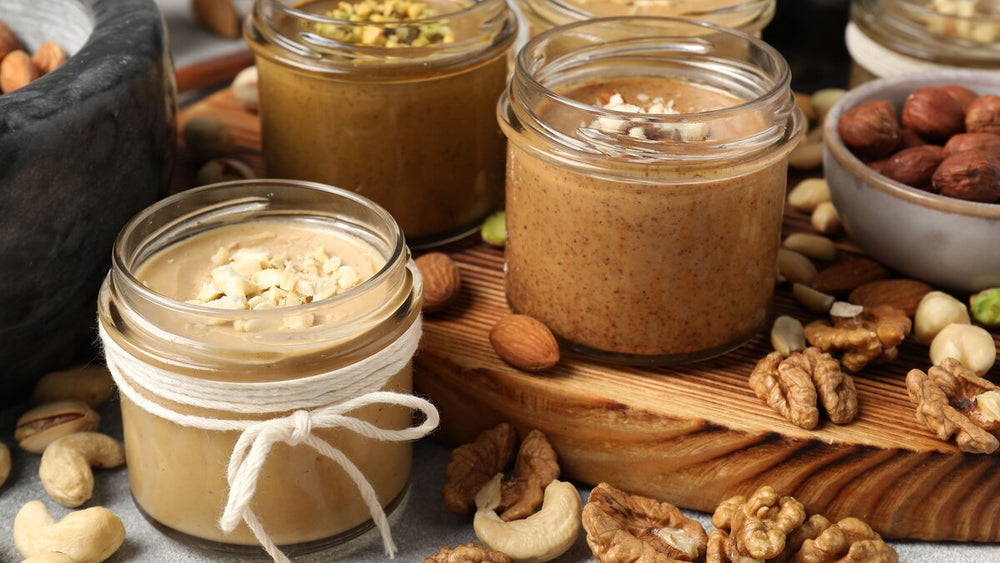
Unless you have an allergy, you are likely very familiar with nut butter and already incorporate it into your diet (ants on a log, anyone?). Nut (and seed) butters are high-fat pastes made by blending or grinding nuts, sometimes with added flavorings such as honey or vanilla. An excellent source of fatty acids, protein, vitamins, and minerals, nut butter is a fantastic addition to your daily diet.
Depending on the nut(s) used, the vitamin and mineral content can vary. For example, walnuts are rich in copper, folic acid, phosphorus, and vitamin B6. Hazelnuts are particularly high in vitamin E, while also containing decent amounts of folate and B6. With substantial macronutrient and micronutrient profiles, nuts and nut butters can serve as complete sources of nutrition. Crunchy nut butters in particular are a decent source of dietary fiber, which can contribute to feelings of fullness after a meal.
Depending on the nut(s) used, the vitamin and mineral content can vary. For example, walnuts are rich in copper, folic acid, phosphorus, and vitamin B6. Hazelnuts are particularly high in vitamin E, while also containing decent amounts of folate and B6. With substantial macronutrient and micronutrient profiles, nuts and nut butters can serve as complete sources of nutrition. Crunchy nut butters in particular are a decent source of dietary fiber, which can contribute to feelings of fullness after a meal.
Readily available at most grocery stores and relatively simple to make at home, nut (or seed) butters are a shelf-stable pantry option. Aside from traditional jarred nut butter, it is also often sold in single-serving packets, making for a great lunchbox add-in or mid-hike snack.
There is a difference between store-bought and homemade nut butter. Most store-bought butters have added oil, added salt, and notably, added sugar. When making homemade nut butter, you only really need one ingredient: nuts. Minimalist Baker details the quick and simple (and easily customizable) process of making homemade nut butter.
Exploring Popular Nut Butter Varieties
Peanut butter is by far the most popular nut butter on the market. Did you know peanuts are also commonly called ‘goobers’? These legumes (related to beans, lentils, and soy) are rich in B vitamins (and considered one of the richest dietary sources of biotin), copper, vitamin E, magnesium, and phosphorus, to name a few. Peanut butter is typically more budget-friendly as peanuts can be grown in various regions and weather conditions, and they are grown underground, making them less impacted by pests or critters. Compared to almond butter (almonds are slightly more challenging to source), peanut butter has more protein. This, combined with a low price (except for certain brands), makes peanut butter a great pantry staple.
Let’s chat about peanut butter’s fancy cousin, almond butter. Almonds are a great source of vitamin E (a powerful antioxidant, among other things) and contain some B vitamins. Like peanuts, almonds contain some minerals as well (copper, manganese). Almonds grow on trees (deciduous trees for my fellow amateur arborists), which are dormant throughout most of the winter, leaving little time for harvesting and processing. Because of this, you can expect almond butter to be slightly higher in price. It is still a great source of protein, vitamins/minerals, and fiber, and it stores well at room temperature.
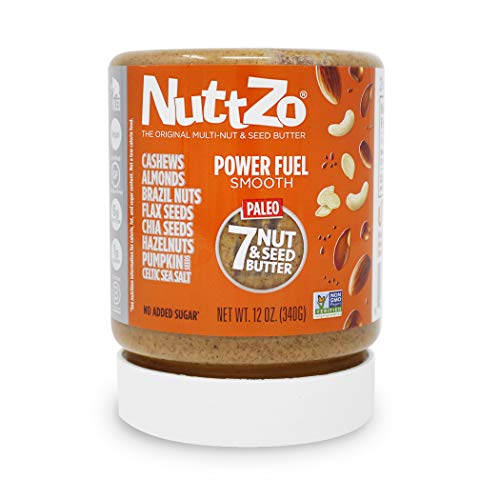
Cashew, walnut, pecan, and seed butters are also readily available in stores (and just as easy to make at home). Cashew butter has a very similar nutrient profile compared to peanuts and almonds, except for extra vitamin K and small amounts of iron. Cashew butter is slightly lower in fat than peanut butter and often has a creamier texture, even when processed similarly.
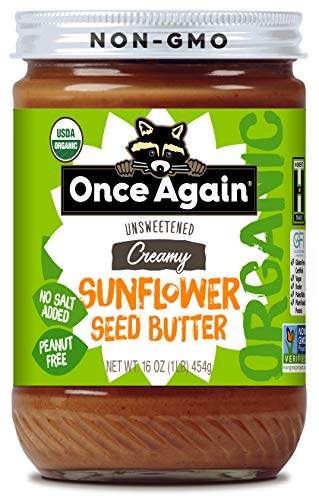
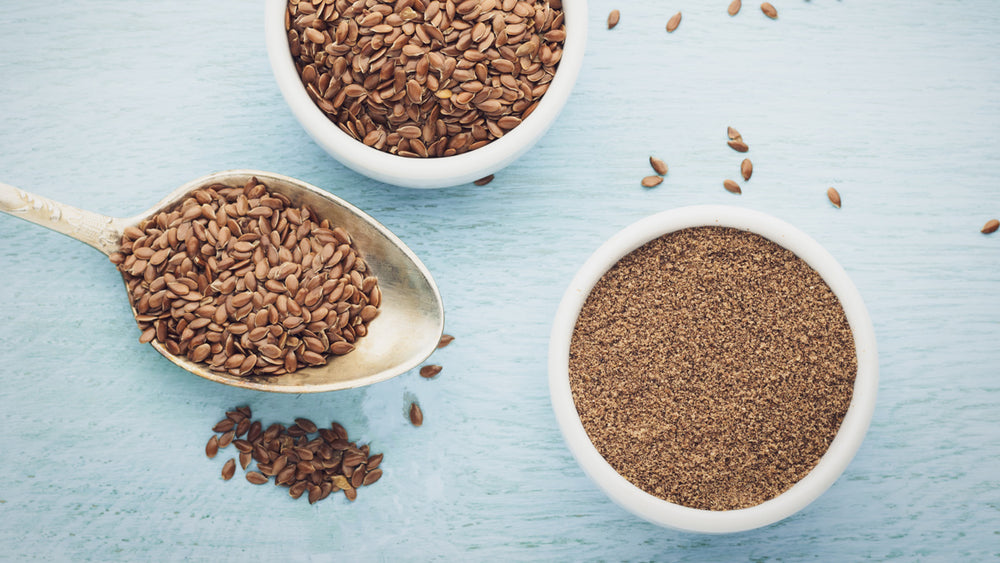
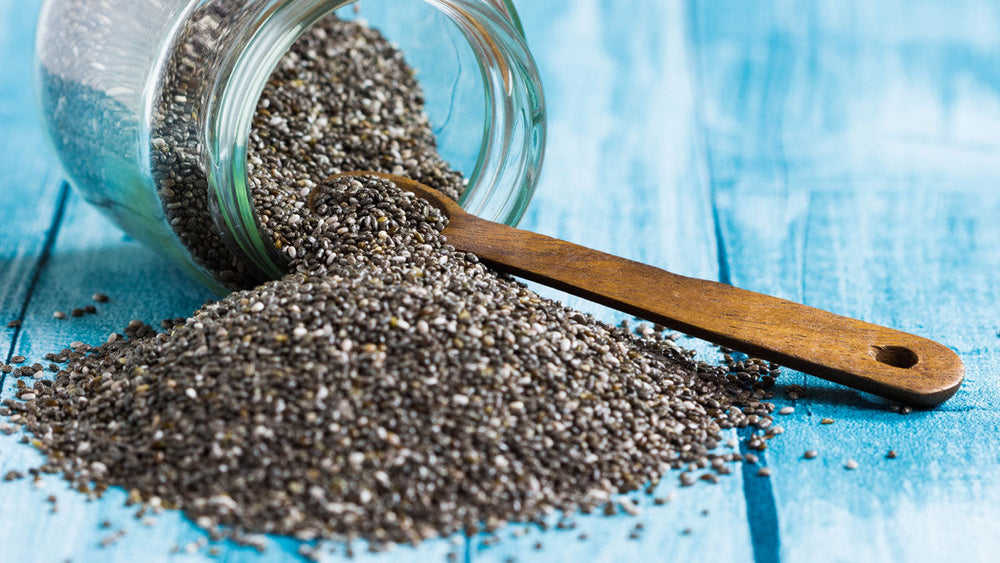
Seed butter is particularly noteworthy. Take the centuries-old Tahini (or Tahina, depending on Greek vs Israeli origins), made from sesame seeds. Sunbutter, made from sunflower seeds, is a great alternative to nut butter for people with strict nut allergies while still offering decent micronutrient content (hello, iron). The ideal nut butter would be a combination of various nut types (hazelnut, walnut, Brazil nut, pistachio, etc.), with seeds added for additional nutrients (sesame, chia, flax, etc.).
Seed butter is particularly noteworthy. Take the centuries-old Tahini (or Tahina, depending on Greek vs Israeli origins), made from sesame seeds. Sunbutter, made from sunflower seeds, is a great alternative to nut butter for people with strict nut allergies while still offering decent micronutrient content (hello, iron). The ideal nut butter would be a combination of various nut types (hazelnut, walnut, Brazil nut, pistachio, etc.), with seeds added for additional nutrients (sesame, chia, flax, etc.).
Key Considerations When Buying Nut Butters
Making nut/seed butter at home puts you in full control of the ingredients. Store-bought butters are still highly nutritious, but can contain hidden sugars, higher-than-average amounts of oils (added), and extra additives to prolong shelf-life or help create a specific consistency. Get into the habit of perusing the nutrient label when shopping for nut or seed butters at the store. Specifically, keep an eye out for hydrogenated oils (used to stabilize it for extended shelf life and prevent natural oils from separating), added salt (typically used to enhance flavor), and high-fructose corn syrup (a cheaper additive than regular sugar).
Speaking of ‘regular’ sugar, also keep an eye out for extra sugars to be added after processing (even in the form of agave, honey, stevia, molasses) – these sugar types do not impact consistency or stability, but instead are merely added for enhanced taste. The difference between a nut butter with the above ingredients added and one without any additives can be several hundred calories, dozens of grams of sugar, and trans fats (i.e., the bad fats that can contribute to heart disease).
Speaking of ‘regular’ sugar, also keep an eye out for extra sugars to be added after processing (even in the form of agave, honey, stevia, molasses) – these sugar types do not impact consistency or stability, but instead are merely added for enhanced taste. The difference between a nut butter with the above ingredients added and one without any additives can be several hundred calories, dozens of grams of sugar, and trans fats (i.e., the bad fats that can contribute to heart disease).
While the nut butter's texture doesn’t affect nutrient content, it can impact fiber content. A crunchy nut or seed butter contains more fiber than creamy ones and can help keep you fuller for longer.
Creative and Healthy Uses for Nut Butters
Nut butter is incredibly versatile. Add protein to your waffles or oats in the morning, use it as a dip for fruits (suggest blackberries, you're welcome), create a peanut Thai sauce for your lunch, and add some into a smoothie or drizzle over popcorn for a sweet treat. It can also be used as an egg substitute in baked goods (approximately 60 g of nut butter = 1 egg). Salad dressings, pasta sauces, and even on burgers, nut butter belongs in the kitchen and on your plate!
FAQs
Is nut butter healthy to eat every day?
For most people, yes. Nut and seed butters provide healthy fats, plant-based protein, fiber, vitamins, and minerals that can support heart health, satiety, and overall nutrition. Because they are calorie-dense, moderation is still important, with a typical serving being about 2 tablespoons.
Which nut butter is the healthiest?
There is no single "best" nut butter. Peanut butter tends to be higher in protein and more budget-friendly, while almond butter is particularly rich in vitamin E. Walnut, cashew, and seed butters each offer unique nutrient profiles. The healthiest choice is often one made with minimal ingredients—ideally just nuts or seeds and little to no added sugar, hydrogenated oils, or excess sodium.
Is crunchy or creamy nut butter better for you?
Both can be nutritious, but crunchy nut butter often contains slightly more fiber because it retains small pieces of nuts or seeds. The difference is generally modest, so choosing the texture you enjoy most can help you consistently include nutrient-rich foods in your diet.
What should I look for when buying nut butter?
Read the ingredient list carefully. Look for products with simple ingredients, such as nuts or seeds, and perhaps a small amount of salt. Try to limit options that contain hydrogenated oils, high-fructose corn syrup, excessive added sugar, or unnecessary additives. Natural separation of oils is normal and often indicates fewer stabilizers have been added.
Are seed butters a good alternative for people with nut allergies?
Yes. Seed butters such as sunflower seed butter and tahini (sesame seed butter) can provide many of the same benefits as nut butters while being suitable for individuals with tree nut or peanut allergies. However, always verify ingredients and consult your healthcare provider if you have multiple food allergies.
References
1Gerber, S. (2024, April 13). The ideal way to store natural nut Butters so they don’t turn rancid. Tasting Table. https://www.tastingtable.com/1557949/store-nut-butter-keep-fresh/
2Arnarson, A. (2024, May 6). Peanuts 101: Nutrition Facts and Health benefits. Healthline. https://www.healthline.com/nutrition/peanuts
3Baker, M. (2025, April 17). How to make nut butter. Minimalist Baker. https://minimalistbaker.com/how-to-make-nut-butter/














 Recipes
 Products
Comments
Join The Conversation...