


What is Mast Cell Activation Syndrome (MCAS)?
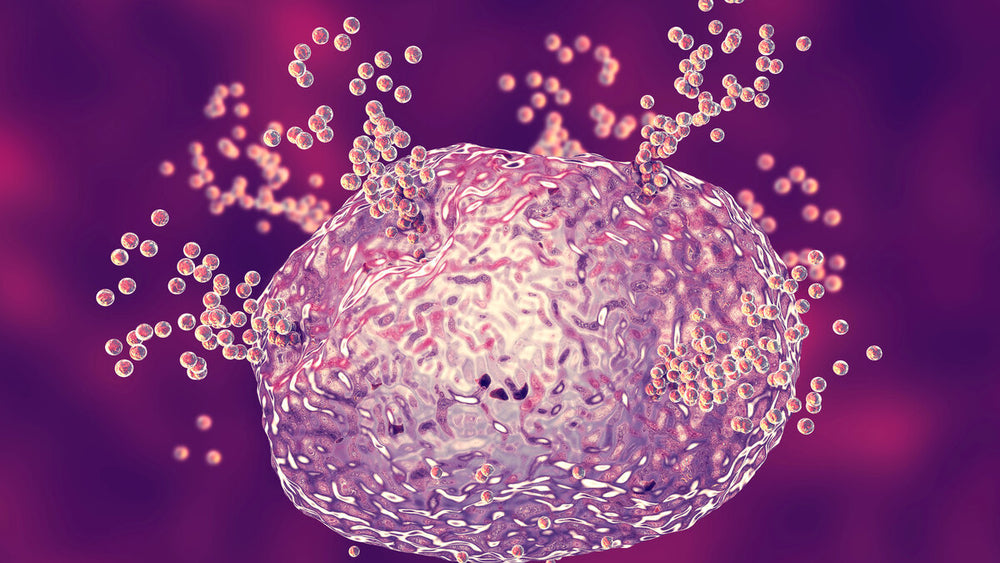
Mast cells are like tiny superheroes created in your bone marrow. After training, they travel through your bloodstream and take up residence in your tissues, always on alert as part of your immune system. These mature mast cells are stationed all over your body, ready to protect you from dangers big and small. Not only do they help battle infections, but they also act as behind-the-scenes organizers for your organs. But sometimes, these protective powerhouses get a little too enthusiastic. When that happens, you might start reacting to harmless things.
Unlike white blood cells, mast cells don’t fight off invaders directly. Instead, they lounge in your tissues, waiting for the signal to leap into action. Mast cell activation syndrome is the term for when these cells overreact, releasing bursts of inflammatory chemicals, like histamines, causing chaos in your body.
Unlike white blood cells, mast cells don’t fight off invaders directly. Instead, they lounge in your tissues, waiting for the signal to leap into action. Mast cell activation syndrome is the term for when these cells overreact, releasing bursts of inflammatory chemicals, like histamines, causing chaos in your body.
Symptoms of MCAS
MCAS is a bit of a medical mystery, and its symptoms can pop up out of nowhere! Unlike typical allergies, which only show up when you cross paths with your archenemy (like peanuts or pollen), MCAS can launch an episode with no obvious trigger. Sometimes, MCAS can even trigger anaphylaxis, which is an allergic reaction that can be life-threatening. Anaphylaxis symptoms can include trouble breathing, dropping blood pressure, and an urgent need for 911 or an emergency room visit. But more commonly, MCAS is a sneaky repeat offender, causing strange symptoms all over your body.
Maybe you flush bright red, your skin gets itchy, or you break out in hives. You may experience nasal congestion, or you may notice swelling in your lips, face, eyes, tongue, or throat. It might even affect your stomach, causing constipation, diarrhea, stomachaches, or vomiting. Some people may even experience shortness of breath, weakness, or fainting. For your doctor to consider MCAS, your symptoms must involve at least two different body systems, such as your skin, lungs, heart, or digestive tract.
Maybe you flush bright red, your skin gets itchy, or you break out in hives. You may experience nasal congestion, or you may notice swelling in your lips, face, eyes, tongue, or throat. It might even affect your stomach, causing constipation, diarrhea, stomachaches, or vomiting. Some people may even experience shortness of breath, weakness, or fainting. For your doctor to consider MCAS, your symptoms must involve at least two different body systems, such as your skin, lungs, heart, or digestive tract.
Common Triggers and Diagnosis
Unfortunately, mast cells are easily startled, and they have a long list of things that can set them off! A sudden change in temperature, like a quick blast of cold air after being cozy, or even just a surprise change in the weather. Feeling tired? Decided to exercise? Yep, they’ll notice. Foods, drinks (even a single glass of wine), and medications are all on their naughty list. Strong smells? Forget about it. Perfume, chemical cleaners, or even fresh-cut grass might send them into a tizzy. Insect stings, infections (viral, bacterial, fungal—take your pick!), friction from tight clothes, vibration, a stressful day at work, or a bit of extra sunlight can also make them flip their switch. Basically, mast cells are always looking for an excuse to sound the alarm—sometimes over the smallest things!
Good news! Testing for MCAS for diagnosis is pretty simple. Diagnosis can be confirmed by blood draw, but blood must be collected within 1-4 hours of the suspected episode. If you are not a fan of needles, don’t fret! There’s also a urine test option. If you suspect you may be dealing with MCAS, please talk to your healthcare professional to explore the best testing route for you.
FAQs
What is Mast Cell Activation Syndrome (MCAS)?
Mast Cell Activation Syndrome (MCAS) is a condition in which mast cells release excessive amounts of inflammatory chemicals, such as histamine, in response to triggers—or sometimes with no obvious trigger at all. This overactivation can cause symptoms throughout the body, including the skin, digestive tract, respiratory system, and cardiovascular system.
What are the most common symptoms of MCAS?
MCAS symptoms can vary widely from person to person. Common symptoms include flushing, itching, hives, swelling, nasal congestion, diarrhea, constipation, abdominal pain, nausea, vomiting, shortness of breath, dizziness, and fatigue. Because mast cells are found throughout the body, symptoms often involve multiple organ systems at the same time.
What can trigger an MCAS flare?
Potential triggers may include certain foods, alcohol, medications, infections, exercise, temperature changes, stress, insect stings, strong odors, sunlight, or friction from clothing. Some people can identify specific triggers, while others may experience symptoms without a clear cause.
How is MCAS diagnosed?
Diagnosing MCAS typically involves reviewing symptoms, ruling out other conditions, and measuring mast cell mediators through blood or urine testing. Timing is important because these chemicals are often elevated only during or shortly after a flare. Your healthcare provider may recommend collecting samples within a few hours of symptom onset to improve diagnostic accuracy.
Can MCAS cause digestive symptoms?
Yes. Digestive symptoms are common in people with MCAS and may include abdominal pain, bloating, nausea, vomiting, diarrhea, constipation, or reflux-like symptoms. Because mast cells are abundant in the gastrointestinal tract, excessive activation can contribute to inflammation and digestive discomfort.
Is MCAS the same as a food allergy?
No. A food allergy is an immune-mediated reaction to a specific food trigger, whereas MCAS involves inappropriate activation of mast cells that can occur with many different triggers—or sometimes no identifiable trigger at all. Some individuals with MCAS may also have food allergies, but the conditions are not the same.
References
1Mast cell activation syndrome (MCAS). Cleveland Clinic. (2025, December 2). https://my.clevelandclinic.org/health/diseases/mast-cell-activation-syndrome
2Symptoms and triggers of mast cell activation - TMS - the mast cell disease society, inc. TMS. (2024, January 25). https://tmsforacure.org/signs-symptoms-triggers/symptoms-and-triggers-of-mast-cell-activation/
3Bahnsen, C. (2025, September 24). A simpler path to answers for patients with mast cell activation syndrome. Insights. https://news.mayocliniclabs.com/2025/08/11/a-simpler-path-to-answers-for-patients-with-mast-cell-activation-syndrome/


















 Recipes
 Products

Comments
Join The Conversation...