


The Bravo Test for Acid Reflux: A Wireless Way to Diagnose GERD
Living with frequent heartburn, chest discomfort, or throat irritation can be frustrating—especially when medications don’t help, or the cause isn’t clear. While reflux is common, symptoms alone don’t always reveal the full picture.
The Bravo™ pH test is a modern, wireless method for monitoring acid levels in the esophagus over several days, providing your doctor with accurate information to confirm or rule out gastroesophageal reflux disease (GERD) and to guide the most effective treatment.
This article explains what the Bravo test is, how it works, what to expect, the key data it provides, how it compares to other tests, and who may benefit from it.
What Is the Bravo Test? Defining the Wireless Reflux Monitor
The Bravo test is a wireless system for monitoring acid reflux. It uses a tiny capsule that attaches to the esophagus to measure acid exposure. Unlike older tests, it doesn’t require a nasal tube, making it more comfortable for patients. The capsule wirelessly sends information to a small receiver you carry throughout the day.
How the Bravo Capsule Works and Its Placement
The capsule is roughly the size of a gel pill. Once attached to the lining of the esophagus, it:
- Measures acid levels (pH)
- Records reflux episodes
- Sends data to the external receiver
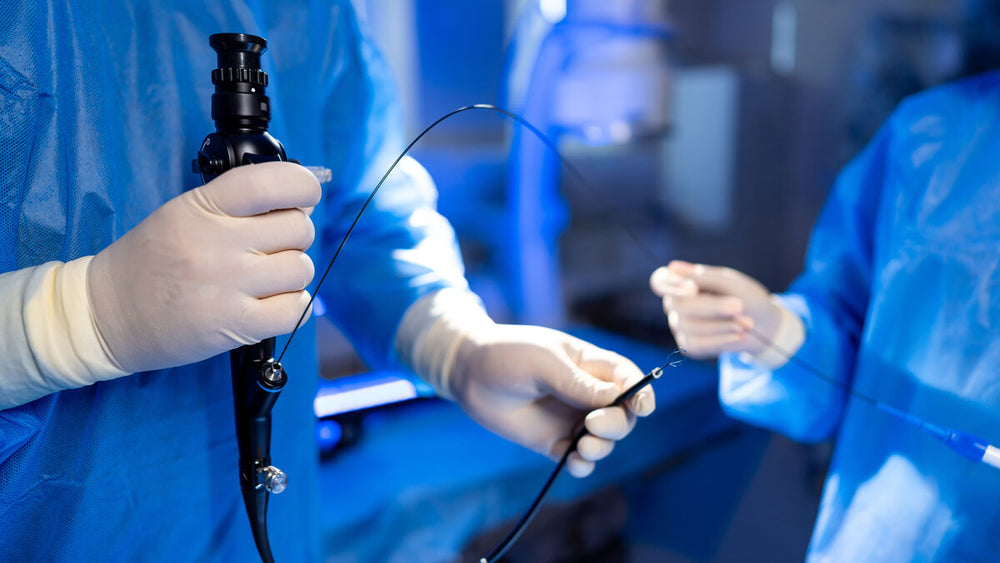
Placement is performed during a brief upper endoscopy with light sedation. Most patients don’t feel the capsule, though some may notice mild awareness when swallowing.
Why Continuous, Wireless Monitoring Is an Advantage Over Traditional Methods
Traditional 24-hour pH tests use a nasal tube, which can be uncomfortable and affect eating, sleeping, and daily routines. In contrast, the Bravo system:
- Is wireless and more comfortable
- Allows normal eating, sleeping, and movement
- Provides data over 48–96 hours for a more realistic picture of reflux
The Procedure: What to Expect During the Bravo Test
Placement and Duration: The Endoscopic Procedure
The capsule is placed during a short endoscopic procedure. Sedation ensures comfort, and most people go home the same day. Monitoring usually lasts 48 hours, though some centers may extend it to 72 or 96 hours.
Recording Symptoms: The Role of the External Receiver and Symptom Diary
While wearing the receiver, you’ll:
- Press a button when symptoms occur (heartburn, chest pain, or throat irritation)
- Record meals, sleep, and lying down in a symptom diary
This information helps your provider match your symptoms with actual reflux episodes.
Natural Excretion: How the Capsule Leaves the Body
After several days, the capsule naturally detaches and passes through your digestive system. You don’t need to remove it, and usually won’t notice when it passes.
Key Data Provided by the Bravo Test
Quantifying Acid Exposure (pH Levels) in the Esophagus
The test measures:
- How much acid reaches the esophagus
- How long acid stays there
- Whether reflux occurs more during the day or night
This helps confirm or rule out GERD. By matching your symptom diary with recorded data, your doctor can determine if your symptoms are caused by acid reflux. a crucial step in tailoring effective treatment. Sometimes symptoms feel like reflux but aren’t caused by acid. The Bravo test helps identify these cases and guide alternative treatments when necessary.
How the Bravo Test Compares to Other Reflux Tests
Several tests evaluate reflux, each answering a different question:
- Traditional 24-Hour pH Test: Uses a nasal tube to monitor acid for 24 hours. Accurate but less comfortable.
- pH-Impedance Test: Detects both acid and non-acid reflux using a nasal tube. Useful when symptoms persist despite medication.
- Upper Endoscopy (EGD): Looks for irritation or damage in the esophagus; does not measure reflux over time.
- Esophageal Manometry: Measures esophageal muscle function and swallowing; does not measure acid reflux.
- Wireless and more comfortable
- Allows normal eating, sleeping, and movement
- Provides longer monitoring for a realistic view of daily reflux
Who Is the Bravo Test For? Indications and Limitations
Diagnosing GERD in Patients Not Responding to Medication
If symptoms persist despite reflux medication, the Bravo test can confirm whether acid reflux is still the underlying cause.
Evaluating Reflux Before Surgery (e.g., Fundoplication)
For patients considering anti-reflux surgery, the test provides objective evidence of acid reflux, helping determine whether surgery is appropriate.
Potential Discomfort and Technical Considerations
Most people tolerate the test well. Some may notice:
- Mild chest pressure
- Slight discomfort when swallowing
These effects are usually temporary. Your provider will explain whether the test is suitable based on your symptoms and medical history.
In Conclusion
The Bravo test is a simple, comfortable, and reliable way to get a clear picture of what’s happening with your acid reflux. Because it measures acid levels while you go about your normal day, your doctor can make smarter decisions and create a treatment plan that fits your life.
If you’re still dealing with heartburn, chest discomfort, or other reflux symptoms, talk to your healthcare provider to see if the Bravo test could help give you answers—and relief.
FAQs
Does the Bravo test hurt?
Most people tolerate the Bravo test very well. The capsule is placed during a brief endoscopy with sedation, and many patients do not feel it afterward. Some individuals may notice mild chest pressure or a slight sensation when swallowing, but this is usually temporary.
How long does the Bravo test stay in place?
The Bravo capsule typically remains attached to the esophagus for several days while collecting data. It naturally detaches and passes through the digestive tract without requiring removal.
Do I need to stop taking GERD medications before the Bravo test?
Your healthcare provider will give specific instructions based on the reason for testing. In some cases, acid-reducing medications may be temporarily stopped to evaluate reflux without treatment, while in other situations they may be continued.
Is the Bravo test more accurate than a traditional pH test?
The Bravo test is not necessarily more accurate, but its longer monitoring period may provide a more complete picture of reflux patterns. Because it is wireless and generally more comfortable, patients are often able to maintain more typical daily activities during testing.
Can the Bravo test diagnose non-acid reflux?
No. The Bravo system measures acid exposure in the esophagus. If your healthcare provider suspects non-acid reflux, a pH-impedance study may be recommended because it can detect both acid and non-acid reflux events.
How does the Bravo test help guide GERD treatment?
The Bravo test provides objective data about acid exposure and symptom patterns. This information can help determine whether symptoms are truly related to acid reflux and guide decisions about medications, lifestyle modifications, or anti-reflux surgery.
References
1Wilson, J. A., & Vela, M. F. (2015). New esophageal function testing: Impedance, Bravo pH monitoring, and high‑resolution manometry: Clinical relevance. Gastroenterology and Hepatology. https://mayoclinic.elsevierpure.com/en/publications/new-esophageal-function-testing-impedance-bravo-ph-monitoring-and/
2Kaiser Permanente. (n.d.). Wireless pH monitoring (Bravo system) evidence table. https://wa.kaiserpermanente.org/static/pdf/hosting/clinical/criteria/pdf/cph2.pdf
3González Martínez, M. A. (2004). Successful esophageal pH monitoring with Bravo capsule in patients with gastroesophageal reflux disease. Revista de Gastroenterología de México. https://pubmed.ncbi.nlm.nih.gov/15757153/
4de Bortoli, N., Wong, T., Foong, A. C., & Wong, K. (2012). Twenty‑four vs. forty‑eight hour Bravo pH monitoring in symptomatic patients without erosive esophagitis. Journal of Clinical Gastroenterology. https://pubmed.ncbi.nlm.nih.gov/21959323/
5Rex, M., & Colleagues. (2007). BRAVO esophageal pH monitoring: More cost‑effective than empiric medical therapy for suspected gastroesophageal reflux. Clinical Gastroenterology and Hepatology. https://pubmed.ncbi.nlm.nih.gov/26537906/


















 Recipes
 Products

Comments
Join The Conversation...