



Why Post-Medication Planning is Crucial
Achieving long-term success with a GLP-1 medication is no small task. You may have heard that most people who are prescribed GLP-1 medication for weight reduction end up gaining back some of the weight. The reasons for that vary, but regardless, this fact begs the question: What happens after I stop taking a GLP-1?
As with any fat-loss or weight-management program, once you stop following it, keeping any lost pounds from returning can be difficult. And in the case of GLP-1 agonist medications—which promote a feeling of satiety while also helping people consume less food overall—discontinuing the medication brings some very specific challenges.
As with any fat-loss or weight-management program, once you stop following it, keeping any lost pounds from returning can be difficult. And in the case of GLP-1 agonist medications—which promote a feeling of satiety while also helping people consume less food overall—discontinuing the medication brings some very specific challenges.
Weight Regain: What's Involved?
Research indicates that roughly half of people stop taking GLP-1 medications within one year. And unfortunately, gaining at least some of the weight back is common. A 2026 systematic review of 48 studies found that after a year off a GLP-1 drug, many patients regained about 60% of the weight they had lost during treatment.
So what contributes to the weight regain? Certainly, there are at least several physiological changes that occur as a result of the medication. When it is stopped, appetite-related hormone levels and nervous system functioning may struggle to return to their usual pre-medication levels of efficacy. And some of the cardiometabolic health benefits achieved through using the GLP-1 medications are also lost.
So what contributes to the weight regain? Certainly, there are at least several physiological changes that occur as a result of the medication. When it is stopped, appetite-related hormone levels and nervous system functioning may struggle to return to their usual pre-medication levels of efficacy. And some of the cardiometabolic health benefits achieved through using the GLP-1 medications are also lost.
- Metabolic Adaptation: The science behind weight regain after weight loss is still a subject of much research. In general, when someone loses a significant amount of weight, their smaller body—no matter how it's achieved—requires fewer calories (less food) to run than their larger one did. This is referred to as metabolic adaptation. Now, there's still scientific debate about what exactly is responsible for this, and whether the metabolic adaptations that show up in the newly svelte are truly related to weight regain afterward (and to what degree). Nevertheless, as research shows, if you lose weight by consuming less than your typical amount of food, you'll likely gain some weight back when you resume your pre-diet eating patterns.
- Hunger Signals Resume: One of the benefits of a GLP-1 medication is that the user doesn't feel as hungry as often, which makes eating less food feel more bearable. But in most cases, within several weeks of stopping a GLP-1 medication, people begin to notice their usual hunger signals returning. And with those, an increased appetite.
Nutritional Pillars for Long-Term Maintenance
Weight loss and preserving muscle mass are top priorities during GLP-1 treatment, and maintaining weight loss is desirable even after you're no longer taking the medication. However, there are other nutritional concerns. That's because the decrease in food intake that prompted the weight loss during treatment may also have compromised your nutritional status. In general, the following three nutrition pillars will stand you in good stead both during and after your GLP-1 journey:
Emphasize Nutrient-Dense Foods:
While there is not yet sufficient data to determine which micronutrients are most likely to be adversely affected by GLP-1 use, it is reasonable to expect that reduced food intake may increase the risk of nutritional deficiencies. It stands to reason that when less food is consumed, more attention needs to be paid to nutrient density. Nutrient density is important, no matter what type of weight reduction program you follow.
Nutrient density refers to the amount of nutrients in a food, relative to the amount of calories it contains. A nutrient-dense food is high in beneficial nutrients but low in calories. A recent study among GLP-1 medication users who also had type 2 diabetes found that over 20% of them had documented nutritional deficiencies within one year of starting the medication, and Vitamin D was the most commonly noted deficiency.
Nutrient density refers to the amount of nutrients in a food, relative to the amount of calories it contains. A nutrient-dense food is high in beneficial nutrients but low in calories. A recent study among GLP-1 medication users who also had type 2 diabetes found that over 20% of them had documented nutritional deficiencies within one year of starting the medication, and Vitamin D was the most commonly noted deficiency.
Prioritize Protein:
Along with fat loss, taking a GLP-1 agonist is associated with muscle loss. Eating adequate, high-quality protein can help support muscle growth and metabolic health throughout your GLP-1 treatment, and should still be a dietary priority when you come off the medication. For the greatest muscle preservation, resistance training is also recommended.
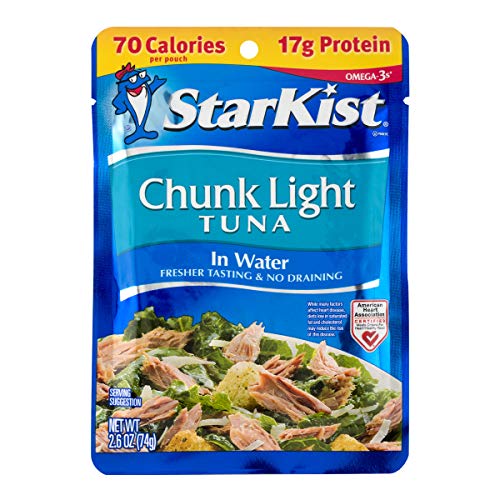
On a practical level, because protein is the most satiating macronutrient, eating enough of it can make it easier to handle the return of hunger as you transition off the medication. Aim to include protein at every meal and snack throughout the day. Consulting a Registered Dietitian for personalized protein recommendations and a customized meal plan is the best way to ensure you get the protein you need in a way that suits your tastes and lifestyle.
On a practical level, because protein is the most satiating macronutrient, eating enough of it can make it easier to handle the return of hunger as you transition off the medication. Aim to include protein at every meal and snack throughout the day. Consulting a Registered Dietitian for personalized protein recommendations and a customized meal plan is the best way to ensure you get the protein you need in a way that suits your tastes and lifestyle.
Focus on Fiber:
Getting enough fiber is important for more than just "staying regular" during GLP-1 treatment. Fiber—especially soluble fiber—is a powerful contributor to satiety. Several mechanisms of action have been proposed to explain the fiber's impact on fullness. One big one is that certain types of fiber, called prebiotic fibers, act as food for the large intestine gut bacteria that produce short-chain fatty acids, which then stimulate the release of the natural GLP-1 and peptide YY (another appetite-regulating hormone).
Fiber also contributes to delayed gastric emptying, helping you feel full longer. Given that most people in the U.S. fall short of the recommended dietary fiber intake, aiming to meet it is a worthwhile effort (check out these tips for boosting your natural GLP-1s with fiber).
Fiber also contributes to delayed gastric emptying, helping you feel full longer. Given that most people in the U.S. fall short of the recommended dietary fiber intake, aiming to meet it is a worthwhile effort (check out these tips for boosting your natural GLP-1s with fiber).
Assembling Your Long-Term Support Team
Planning ahead for how you'll handle your eating and finding people to support you once you've lost the weight is a good idea. According to a 2025 joint advisory from the American College of Lifestyle Medicine, the American Society for Nutrition, the Obesity Medicine Association, and the Obesity Society, having comprehensive care that includes nutrition and lifestyle counseling before, during, and after the weight reduction phase is important to get the best results from your GLP-1 journey.
The Role of a Registered Dietitian
At a minimum, your GLP-1 care team should include the prescribing physician. But enlisting the help of a Registered Dietitian (RD or RDN is the credential) can enhance not only how you manage during the weight-loss phase but also as you transition to lower dosing or to stopping the medication completely. Working with a dietitian during all phases of your GLP-1 journey can make everything feel less confusing and more predictable. RDs are trained in medical nutrition therapy, as well as lifestyle counseling for stress, exercise, sleep, and more—all of which can help boost your success on a GLP-1. Here are some of the things an RD can help you with:
- management of side effects
- planning and preparing GLP-1-appropriate meals
- establishing healthy lifestyle habits for all GLP-1 phases of treatment
- practical methods for supporting your individual nutrition and hydration needs
- creating post-medication weight management goals
Importance of Continued Medical and Behavioral Health Support
Weight regain in proportion to the amount of weight lost has been reported in the scientific literature while using a GLP-1 medication. You can also lose some of the health benefits associated with GLP-1 use. This is why some practitioners recommend ongoing GLP-1 treatment and monitoring.
And although some weight regain is common among those who discontinue GLP-1 medications, what happens in your case depends significantly on what you do after you cease taking the drug. You can mitigate weight regain and likely maintain some of the health improvements by using your GLP-1 treatment journey to establish lifestyle habits that support weight maintenance (and perhaps additional weight loss). These include habits such as:
And although some weight regain is common among those who discontinue GLP-1 medications, what happens in your case depends significantly on what you do after you cease taking the drug. You can mitigate weight regain and likely maintain some of the health improvements by using your GLP-1 treatment journey to establish lifestyle habits that support weight maintenance (and perhaps additional weight loss). These include habits such as:
- maintaining physical activity
- preparing healthy meals
- avoiding alcohol and excessive sweets
Some former GLP-1 patients decide to restart their medication or switch to an alternative one. A new study published in the journal Diabetes, Obesity and Metabolism examined the weight outcomes of nearly 8,000 patients who discontinued GLP-1 medication after 3-12 months of use. In the year after they stopped taking the medication, nearly 20% of patients restarted the same GLP-1 they had been on before, and another 35% switched to a different GLP-1 medication. Be sure to have a frank discussion about all your options with your prescribing physician.
FAQs
Why do some people regain weight after stopping a GLP-1 medication?
Weight regain can occur for several reasons. Hunger signals often return after discontinuing the medication, and the body may require fewer calories following significant weight loss—a process known as metabolic adaptation. Without ongoing nutrition, exercise, and lifestyle strategies, it can be easier to return to previous eating habits and regain some of the lost weight.
How can I maintain my weight loss after stopping a GLP-1?
The most effective approach is to build sustainable habits while taking the medication. Prioritizing protein, fiber, regular physical activity, meal planning, and consistent eating patterns can help support long-term weight maintenance. Working with a healthcare team can also provide accountability and guidance during the transition off medication.
Why is protein so important during and after GLP-1 treatment?
GLP-1 medications can contribute to both fat loss and some loss of lean muscle mass. Adequate protein intake, combined with resistance training, helps preserve muscle tissue, supports metabolism, and promotes fullness. Maintaining muscle mass is especially important for long-term weight management and overall health.
Should I be concerned about nutrient deficiencies while taking a GLP-1 medication?
Because many people eat less while taking GLP-1 medications, there is potential for nutrient gaps if food choices are not carefully planned. Focusing on nutrient-dense foods and discussing any concerns with a healthcare provider or registered dietitian can help reduce the risk of deficiencies. Vitamin D and other key nutrients may warrant monitoring in some individuals.
Can fiber help mimic some of the appetite benefits of GLP-1 medications?
Fiber can support satiety in several ways. Certain types of fiber slow digestion, help you feel fuller longer, and support the production of short-chain fatty acids in the gut. These compounds may help stimulate the body's natural production of appetite-regulating hormones, including GLP-1.
Do I need to stay on a GLP-1 medication forever?
Not necessarily. Some people successfully transition off GLP-1 medications and maintain their results through lifestyle changes, while others may benefit from continued treatment or alternative therapies. The best approach depends on your health history, goals, and response to treatment. Discussing long-term plans with your prescribing provider can help determine the most appropriate path forward.
References
1Rodriguez, P. J., Zhang, V., Gratzl, S., Do, D., Goodwin Cartwright, B., Baker, C., Gluckman, T. J., Stucky, N., & Emanuel, E. J. (2025). Discontinuation and Reinitiation of Dual-Labeled GLP-1 Receptor Agonists Among US Adults With Overweight or Obesity. JAMA network open, 8(1), e2457349. https://doi.org/10.1001/jamanetworkopen.2024.57349
2Budini, B., Luo, S., Tam, M., Stead, I., Lee, A., & Akrami, A. (2026, March). Trajectory of weight regain after cessation of GLP-1 receptor agonists: A systematic review and nonlinear meta-regression - eclinicalmedicine. eClinicalMedicine. https://www.thelancet.com/journals/eclinm/article/PIIS2589-5370(26)00043-X/fulltext
3Abdullah Bin Ahmed I. (2024). A Comprehensive Review on Weight Gain following Discontinuation of Glucagon-Like Peptide-1 Receptor Agonists for Obesity. Journal of obesity, 2024, 8056440. https://doi.org/10.1155/2024/8056440
4Does Your Body Really Fight Against Weight Loss? This Scientist Explains Why the Research Says No. UAB Reporter. Accessed March 16, 2026 from https://www.uab.edu/reporter/research-innovation/does-your-body-really-fight-against-weight-loss-this-scientist-explains-why-the-research-says-no
5Mechanick, J. I., Butsch, W. S., Christensen, S. M., Hamdy, O., Li, Z., Prado, C. M., & Heymsfield, S. B. (2025). Strategies for minimizing muscle loss during use of incretin-mimetic drugs for treatment of obesity. Obesity reviews : an official journal of the International Association for the Study of Obesity, 26(1), e13841. https://doi.org/10.1111/obr.13841
6Mozaffarian, D., Agarwal, M., Aggarwal, M., Alexander, L., Apovian, C. M., Bindlish, S., Bonnet, J., Butsch, W. S., Christensen, S., Gianos, E., Gulati, M., Gupta, A., Horn, D., Kane, R. M., Saluja, J., Sannidhi, D., Stanford, F. C., & Callahan, E. A. (2025). Nutritional priorities to support GLP-1 therapy for obesity: A joint Advisory from the American College of Lifestyle Medicine, the American Society for Nutrition, the Obesity Medicine Association, and The Obesity Society. Obesity (Silver Spring, Md.), 33(8), 1475–1503. https://doi.org/10.1002/oby.24336
7Gigliotti, L., Warshaw, H., Evert, A., Dawkins, C., Schwartz, J., Susie, C., Kushner, R., Subramanian, S., Handu, D., & Rozga, M. (2025). Incretin-Based Therapies and Lifestyle Interventions: The Evolving Role of Registered Dietitian Nutritionists in Obesity Care. Journal of the Academy of Nutrition and Dietetics, 125(3), 408–421. https://doi.org/10.1016/j.jand.2024.10.023
8Berg, S., Stickle, H., Rose, S. J., & Nemec, E. C. (2025). Discontinuing glucagon-like peptide-1 receptor agonists and body habitus: A systematic review and meta-analysis. Obesity reviews : an official journal of the International Association for the Study of Obesity, 26(8), e13929. https://doi.org/10.1111/obr.13929
9Gasoyan, H., Schulte, R., Boyer, C. B., Casacchia, N. J., Butsch, W. S., Le, P., Aminian, A., Griebeler, M. L., Burguera, B., & Rothberg, M. B. (2026). Obesity Treatments and Weight Changes in Clinical Practice After Discontinuation of Semaglutide or Tirzepatide. Diabetes, obesity & metabolism, 10.1111/dom.70660. Advance online publication. https://doi.org/10.1111/dom.70660
10Kerlikowsky, F., Krämer, K., Eggersdorfer, M., & Hahn, A. (2025). GLP-1 Receptor Agonists - Good for Body Weight, Bad for Micronutrient Status?. Current developments in nutrition, 9(11), 107587. https://doi.org/10.1016/j.cdnut.2025.107587















 Recipes
 Products

Comments
Join The Conversation...