


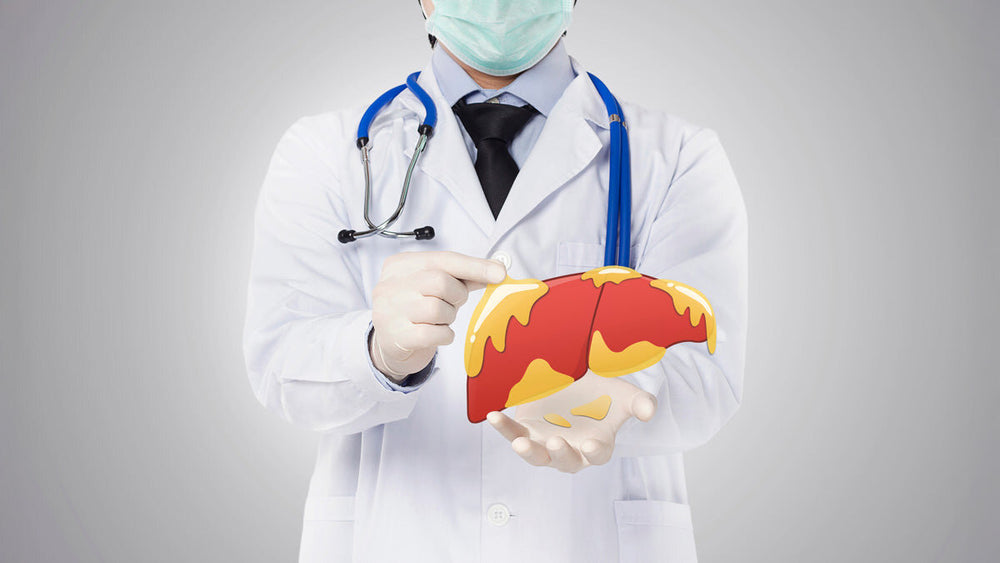
Alcohol-Related Liver Disease: Stages, Symptoms, Treatment & How to Protect Your Liver
Alcohol-Related Liver Disease (ARLD) is a growing health concern worldwide, affecting millions of people who consume alcohol regularly or in excess. This condition is not a single disease, but a spectrum of liver damage that develops over time, starting with fatty liver, progressing to alcoholic hepatitis, and potentially culminating in cirrhosis. Early stages can be subtle, often going unnoticed, while advanced stages can lead to serious, life-threatening complications.
Understanding ARLD is crucial for recognizing early signs, seeking timely diagnosis, and taking steps to protect liver health. This article explores the stages of ARLD, common symptoms, and the medical tests used for diagnosis. It also highlights essential treatment strategies, emphasizing the critical role of alcohol cessation, nutritional support, and medical interventions. Finally, it provides practical guidance on prevention and long-term recovery, equipping readers with the knowledge to safeguard their liver and overall well-being.
What is Alcohol-Related Liver Disease (ARLD)?
The Spectrum of Liver Damage from Alcohol Use
Alcohol-Related Liver Disease (ARLD) is the story of what happens when the liver — a tireless, resilient organ — is pushed beyond its limits. Every sip of alcohol enters the bloodstream and eventually lands in the liver, where it must be processed and detoxified. For a while, the liver keeps up. It adjusts. It rebuilds.
But with heavy or repeated drinking, the workload becomes too much. Fat begins to accumulate, inflammation develops, and scar tissue slowly replaces healthy cells. ARLD isn’t a single condition — it’s a spectrum of liver damage that evolves over time. And while the liver can repair much, it cannot regenerate indefinitely. Continued alcohol consumption accelerates the damage, potentially leading to severe complications.
Why Alcohol Damages the Liver
The liver is our body’s main detox hub — it filters blood, breaks down toxins, and metabolizes nutrients. Alcohol is treated as a toxin, and the liver must work hard to process it. Heavy or repeated alcohol intake sets off a cascade of damaging effects:
Fat Accumulation: Alcohol metabolism produces substances that disrupt normal fat processing. Fat begins to accumulate within liver cells, leading to fatty liver (steatosis). Over time, fat triggers stress and inflammation within the liver.
Inflammation: Alcohol and its byproducts irritate liver cells and activate the immune system. The liver becomes inflamed, a condition called alcoholic hepatitis. This inflammation can damage liver cells, reduce liver function, and cause symptoms such as jaundice or abdominal discomfort.
Oxidative Stress and Toxic Byproducts: Breaking down alcohol generates free radicals — harmful molecules that attack liver cells, damaging DNA and proteins. Repeated exposure overwhelms the liver’s repair systems.
Fibrosis and Scar Formation: Persistent inflammation signals the liver to produce fibrous tissue — scar tissue — in an attempt to heal itself. Over time, these scars replace healthy liver cells, reducing liver function and leading to cirrhosis.
Nutritional Impact: Heavy alcohol use impairs nutrient absorption, leading to deficiencies in key vitamins and minerals. Without these nutrients, the liver’s ability to repair itself is impaired, accelerating disease progression.
In short, alcohol damages the liver through a combination of fat buildup, inflammation, oxidative stress, scar tissue formation, and nutrient deficiencies. Early cessation of alcohol can allow the liver to heal, but continued heavy drinking increases the risk of permanent damage.
Stages of ARLD: Fatty Liver, Alcoholic Hepatitis, Cirrhosis
ARLD typically progresses through three major stages, each representing a deeper level of strain on the liver:
Fatty Liver (Steatosis): This is the earliest sign of liver stress. After days or weeks of heavy drinking, fat begins to accumulate in liver cells. Most people don’t notice symptoms at this stage. Fortunately, fatty liver can often be reversed within weeks after stopping alcohol.
Alcoholic Hepatitis: Continued alcohol intake can cause liver inflammation, known as alcoholic hepatitis. Mild cases may cause fatigue, abdominal discomfort, or jaundice, while severe cases can be life-threatening. Complete alcohol cessation and proper medical care can improve outcomes.
Cirrhosis: At this stage, the liver becomes scarred and structurally altered, with healthy tissue replaced by fibrotic bands. Cirrhosis impairs liver function and can cause swelling, confusion, bleeding, or fluid buildup. Damage at this point is often permanent, but stopping alcohol can prevent further decline and improve survival.
Recognizing Symptoms and Diagnosis
Early Signs vs. Advanced Symptoms
One of the biggest challenges of ARLD is its silent progression. Early stages, like fatty liver or mild alcoholic hepatitis, often produce no noticeable symptoms. As the disease advances, fatigue, nausea, loss of appetite, or a feeling of heaviness in the upper abdomen may appear.
Advanced ARLD brings more obvious warning signs: jaundice, abdominal swelling, easy bruising, confusion, or fluid buildup in the legs. These symptoms signal that the liver is struggling to perform its essential functions and require prompt medical attention.
Medical Tests Used to Diagnose ARLD
Diagnosing ARLD involves a combination of medical evaluation, lab tests, and an honest discussion about alcohol use. Doctors typically use:
- Blood Tests: To assess liver enzymes, bilirubin, and overall liver function.
- Imaging Tests: Ultrasound or specialized scans help visualize fat accumulation or cirrhosis.
- Liver Biopsy: In some cases, a biopsy may be needed to evaluate the extent of inflammation and scarring.
Understanding drinking patterns, including amount, frequency, and duration, informs both diagnosis and treatment strategies.
Treatment and Management of ARLD
The Critical Role of Alcohol Cessation
Stopping alcohol altogether is the most effective intervention for ARLD. The liver begins healing almost immediately after alcohol cessation — fat clears, inflammation decreases, and many symptoms improve. Even in cirrhosis, abstinence can halt disease progression and restore liver function to prevent complications.
Quitting alcohol may require medical supervision, detox programs, or addiction counseling, but early intervention dramatically improves recovery.
Nutritional Support and Medical Interventions
Nutrition is critical in ARLD care. Malnutrition and vitamin deficiencies are common, and dietary support can help the liver repair itself. Doctors may prescribe supplements, especially B vitamins, and work with dietitians to create a liver-friendly nutrition plan.
In some cases, corticosteroids are used to reduce inflammation. For patients with cirrhosis, treatment focuses on managing complications like fluid buildup, variceal bleeding, and liver cancer risk while supporting overall liver function.
Liver Transplant: When It’s Necessary
In severe, irreversible liver damage, a liver transplant may be the only lifesaving option. Transplant centers typically require proof of long-term alcohol abstinence before and after surgery. While not everyone is eligible, transplantation can offer a second chance at life for those with advanced disease.
Prevention and Recovery: Taking Steps for Liver Health
Safe Alcohol Consumption Guidelines
Preventing ARLD is far easier than treating it. Limiting alcohol or avoiding it entirely is the most effective strategy. Health authorities recommend keeping drinking within moderate limits and spreading consumption over several days. For former heavy drinkers, cutting back or abstaining entirely provides measurable benefits for liver recovery.
Support Systems for Alcohol Cessation and Long-Term Recovery
Recovery from ARLD involves more than abstinence — it’s about holistic support:
- Medical Care: Safe detox and ongoing monitoring.
- Counseling and Therapy: Address emotional and behavioral aspects of alcohol use.
- Support Groups: Offer accountability, encouragement, and community.
- Nutrition Guidance: Helps rebuild strength and correct deficiencies.
Recovery may not follow a straight path, but with proper support, many people can repair their livers, restore their health, and reclaim their lives.
Conclusion: Protecting and Healing Your Liver
Alcohol-Related Liver Disease is a gradual, often silent condition. From fatty liver to alcoholic hepatitis and cirrhosis, each stage represents the liver’s attempts to cope with the toxic effects of alcohol. Damage is cumulative, involving fat buildup, inflammation, oxidative stress, scarring, and nutrient deficiencies.
The liver is resilient, and early intervention can reverse or halt much of this damage. Abstinence, nutritional support, medical care, and lifestyle changes are essential. For those with advanced disease, liver transplantation can provide a second chance, but long-term health still depends on sustained recovery efforts.
Preventing ARLD is always preferable to treating it. Limiting alcohol, supporting liver health through nutrition, and seeking help when alcohol use becomes problematic are key steps to avoid irreversible damage. Understanding how alcohol affects the liver empowers individuals to make informed choices, protect their health, and allow their liver to heal.
Every drink matters. Every choice matters. By taking action today, you can preserve your liver, safeguard your health, and embrace a longer, healthier life.
References
1Pan, C. W., Abboud, Y., Chitnis, A., Zhang, W., Singal, A. K., & Wong, R. J. (2025). Alcohol-Associated Liver Disease Mortality. *JAMA Network Open*. https://doi.org/10.1001/jamanetworkopen.2025.14857
2Rabelo, A. C. S., Andrade, A. K. d. L., & Costa, D. C. (2024). The Role of Oxidative Stress in Alcoholic Fatty Liver Disease: A Systematic Review and Meta-Analysis of Preclinical Studies. *Nutrients*, *16*(8), 1174. https://doi.org/10.3390/nu16081174
3Tadokoro, T., Morishita, A., Himoto, T., & Masaki, T. (2023). Nutritional Support for Alcoholic Liver Disease. Nutrients. https://doi.org/10.3390/nu15061360
4Zhu, Y., Jia, Y., & Zhang, E. (2025). Oxidative stress modulation in alcohol-related liver disease: From chinese botanical drugs to exercise-based interventions. *Frontiers in Pharmacology*. https://doi.org/10.3389/fphar.2025.1516603
5Niu, X., Zhu, L., Xu, Y., Zhang, M., Hao, Y., Ma, L., Li, Y., & Xing, H. (2023). Global prevalence, incidence, and outcomes of alcohol related liver diseases: a systematic review and meta-analysis. https://doi.org/10.1186/s12889-023-15749-x
6Anouti, A., Kerr, T. A., Mitchell, M. C., & Cotter, T. G. (2023). Advances in the management of alcohol-associated liver disease. *Gastroenterology Report*. https://doi.org/10.1093/gastro/goae097
7Diaz, L. A., Winder, G. S., Leggio, L., Bajaj, J. S., Bataller, R., & Arab, J. P. (2025). New insights into the molecular basis of alcohol abstinence and relapse in alcohol-associated liver disease. https://doi.org/10.1097/HEP.0000000000000645
8Lee, J. Y., Jee, Y. M., Yang, K., & Ryu, T. (2025). Alcohol-Induced Oxidative Stress and Gut–Liver–Brain Crosstalk: Expanding the Paradigm from ALD to MetALD. https://doi.org/10.3390/antiox14101196














 Recipes
 Products

Comments
Join The Conversation...