


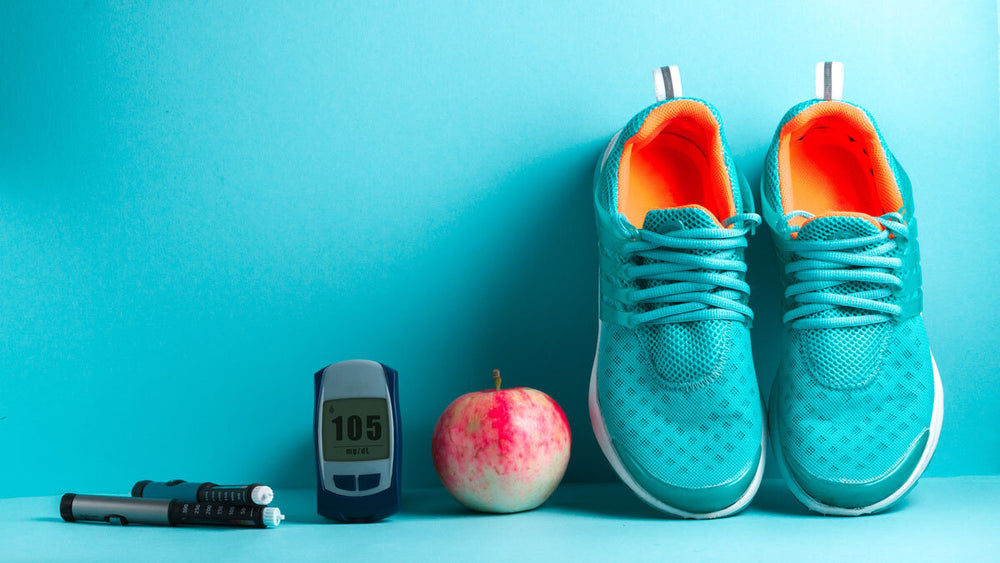
Understanding Prediabetes: A Critical Crossroads
What Prediabetes Means for Your Health
Prediabetes is classified by intermediate glucose levels in the blood, where they are not high enough to be considered diabetic but are above the normal range. This condition can predate the development of type 2 diabetes for years. Research has shown that a high-fat, high-calorie (western) diet is correlated with increased incidence of development of diabetes, with prediabetes being the precursor. Alongside high blood sugars, the presence of insulin resistance and destruction of pancreatic beta cells can lead to a diabetes diagnosis. Recent research has shown that prediabetes might be a tell-tale sign that immune system dysregulation and gut imbalances might also be at play.
The Role of Insulin Resistance
Insulin resistance causes the body’s cells to become less responsive to insulin, which, when coupled with excessive carbohydrate intake and elevated circulating glucose, can lead to diseases like diabetes.
The Gut-Metabolic Connection: How Your Microbiome Impacts Blood Sugar
Gut bacteria are responsible for many things. When it comes to metabolism, they aid in the production of short-chain fatty acids, help maintain the intestinal barrier, and reduce inflammation. Gut microbes also play a role in communication between the brain and gut, regulating hunger and satiety. When the healthy balance of the gut is off, dysregulation of glucose metabolism can occur, which can aid in the development of prediabetes, leading to diabetes.
Dietary Strategies to Support Both Prediabetes and Gut Health
Fiber-Rich Foods for a Healthy Microbiome
Fiber is crucial for a healthy gut microbiome. Consuming adequate fiber daily helps support healthy gut microbes by promoting the production of short-chain fatty acids and the fermentation of fiber. Fiber is also key to metabolism because it slows the rate at which food moves through the digestive system. This helps to promote blood sugar control and appetite.
Prioritizing Whole Foods and Limiting Processed Items
Furthermore, it is key to limit the amount of processed food consumed. Focusing on a whole-foods diet rich in high-quality protein sources, non-starchy vegetables, fruits, and fiber-rich carbohydrates is key to promoting overall health and reducing your risk of developing prediabetes or other chronic conditions.
Processed foods often contain higher amounts of added sugars, saturated fats, and other chemicals that can be inflammatory to the GI tract. If you find it challenging to change your diet, start with small steps, like making one meal from scratch each week. After you learn more about cooking and feel more comfortable, it becomes easier to make healthier swaps at the grocery store and to prioritize whole foods.
Processed foods often contain higher amounts of added sugars, saturated fats, and other chemicals that can be inflammatory to the GI tract. If you find it challenging to change your diet, start with small steps, like making one meal from scratch each week. After you learn more about cooking and feel more comfortable, it becomes easier to make healthier swaps at the grocery store and to prioritize whole foods.
Beyond Diet: Lifestyle Factors for Optimal Gut and Metabolic Health
The Impact of Exercise and Stress Management
Exercise and stress management are other important factors to consider when optimizing metabolic health. Because our gut is the “second brain,” it often responds to external stressors. Finding ways to reduce stress, such as going for a walk, practicing deep breathing exercises, or talking with a trusted family member or friend, can have a significant impact on your gut and, in turn, your metabolic health.
Considering Probiotics
You may want to consider using probiotics if you have any additional hits to your GI tract—for example, recent antibiotic use or a recent viral or bacterial gut infection. Sometimes the gut needs some extra help. Replenishing good gut bacteria is a great way to promote gut stability. Make sure to consume prebiotic-rich foods to keep these beneficial microbes healthy and strong.
FAQs
What is the connection between prediabetes and gut health?
Emerging research suggests that the gut microbiome may play a role in blood sugar regulation, inflammation, and insulin sensitivity. Changes in the balance of gut bacteria may influence how the body processes glucose, which is why gut health is becoming an important area of interest in metabolic health research.
Can improving gut health help support blood sugar balance?
Lifestyle habits that support gut health may also benefit metabolic health. Eating more fiber-rich foods, staying physically active, managing stress, and consuming a variety of plant-based foods may help support both the gut microbiome and healthy blood sugar levels over time.
What foods support both gut health and prediabetes management?
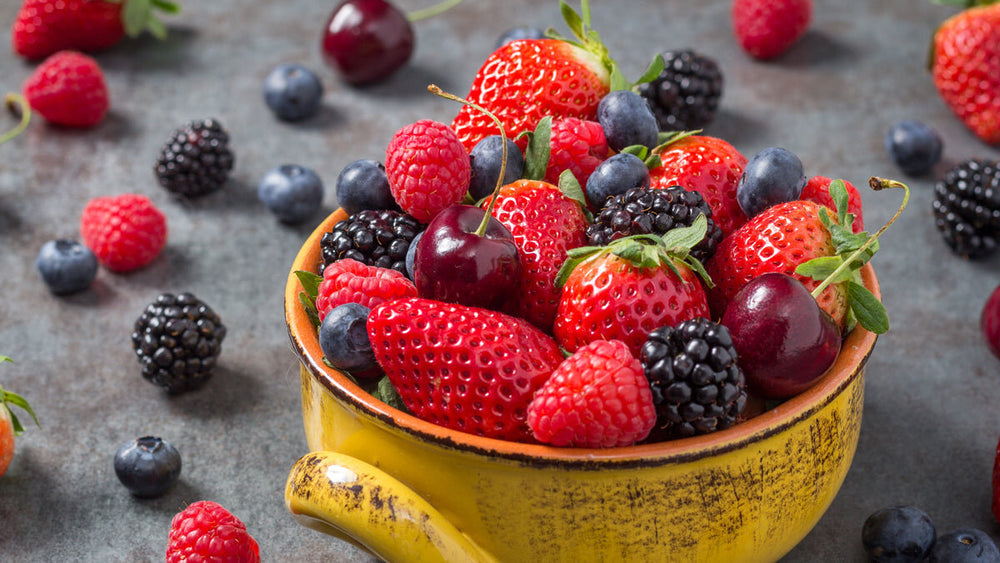
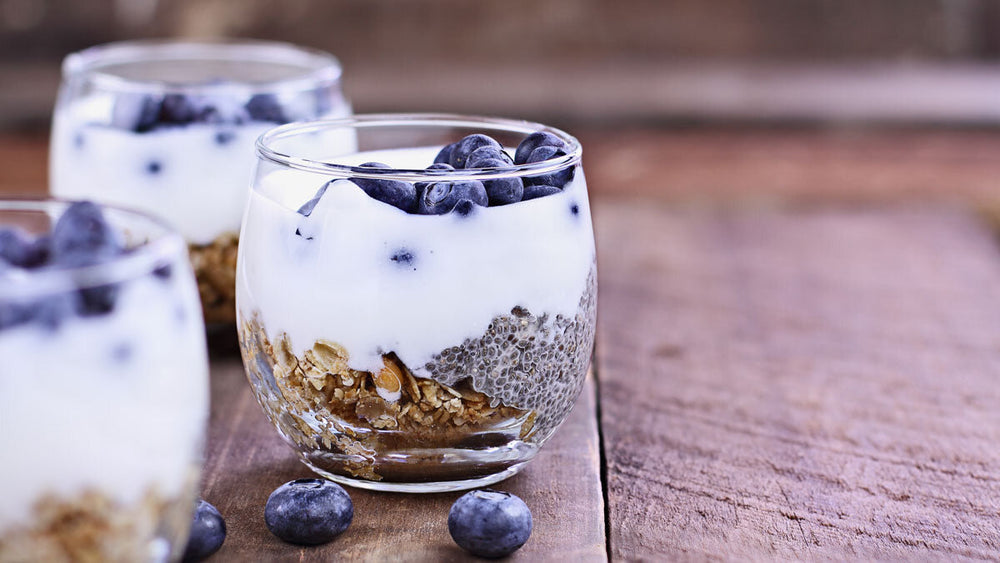
Foods rich in fiber, prebiotics, and probiotics may support a healthier gut environment and help balance blood sugar. Examples include oats, beans, leafy greens, yogurt, kefir, berries, nuts, seeds, and fermented foods when tolerated.
Are digestive symptoms common in people with prediabetes?
Some people with prediabetes may notice digestive symptoms such as bloating, irregular bowel habits, or increased gastrointestinal discomfort. While these symptoms can have many causes, growing research continues to explore how metabolic health and gut health may influence one another.
References
1Cleveland Clinic. (n.d.). Prediabetes. https://my.clevelandclinic.org/health/diseases/21498-prediabetes
2Dimba, N. R., Mzimela, N., & Khathi, A. (2024). Improved gut health may be a potential therapeutic approach for managing prediabetes: A literature review. *Biomedicines*, *12*(6), 1275. https://doi.org/10.3390/biomedicines12061275
3Cleveland Clinic. (n.d.). Insulin resistance. https://my.clevelandclinic.org/health/diseases/22206-insulin-resistance
4Rathi, K. K., Kumari, N., Javaid, M. D., Saleem, U., Mortensen, E., Zhou, Y., & Maheshwari, N. (2023). Gut microbiome and prediabetes - a review. *Frontiers in Bacteriology*. https://doi.org/10.3389/fbrio.2023.1242297
















 Recipes
 Products

Comments
Join The Conversation...