


Strengthening Your Core for Better Digestion: How Pilates and Core Exercises Support Gut Health
Understanding the Core and Its Role in Digestion
The core musculature refers to the muscles of the abdomen, hips, and lower back that work together to stabilize our spine and enable the efficient transfer of force through our limbs in all activities. Some of the key muscles that comprise the core include the rectus abdominis, transversus abdominis, quadratus lumborum, erector spinae, multifidus, and piriformis. A strong core provides protection against low back pain and enhances the efficiency of virtually all movements.
The Indirect Link: How Core Strength Supports Organ Health
One potential unsung benefit of a strong core is its benefit to the organs of your viscera, particularly the gastrointestinal tract. The notion that a stronger core can improve digestion is based on the observation that greater core muscle strength increases intra-abdominal pressure, thereby increasing colorectal movement. One well-designed study demonstrated improved colon transit time in young women after 12 weeks of specific abdominal muscle training.
How Pilates May Positively Impact GI Health
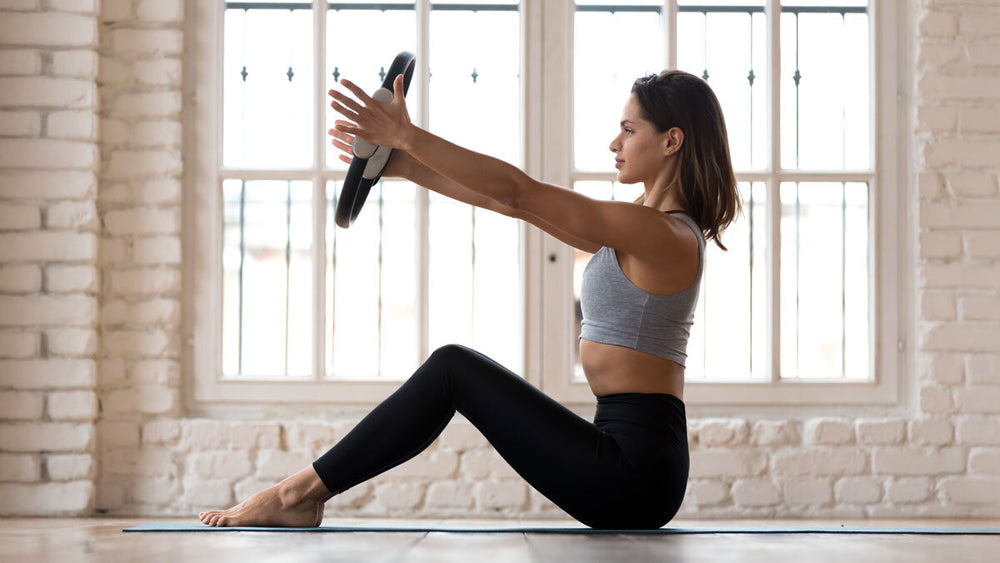
Pilates is a system of exercise developed by Joseph Pilates in the early 1900s. Pilates is distinguished by its focus on the mind-body connection with an emphasis on strength, core stability, flexibility, muscle control, posture, and breathing. Pilates exercises can be done on a mat with bodyweight alone or with specialized equipment such as a reformer.
Gentle Movement and Gut Motility
Pilates may be a beneficial form of exercise for gut health. I say 'may' because there are no specific published studies supporting the use of Pilates to improve gut health. However, there are several theoretical reasons to expect that Pilates could have a positive impact on digestive health.
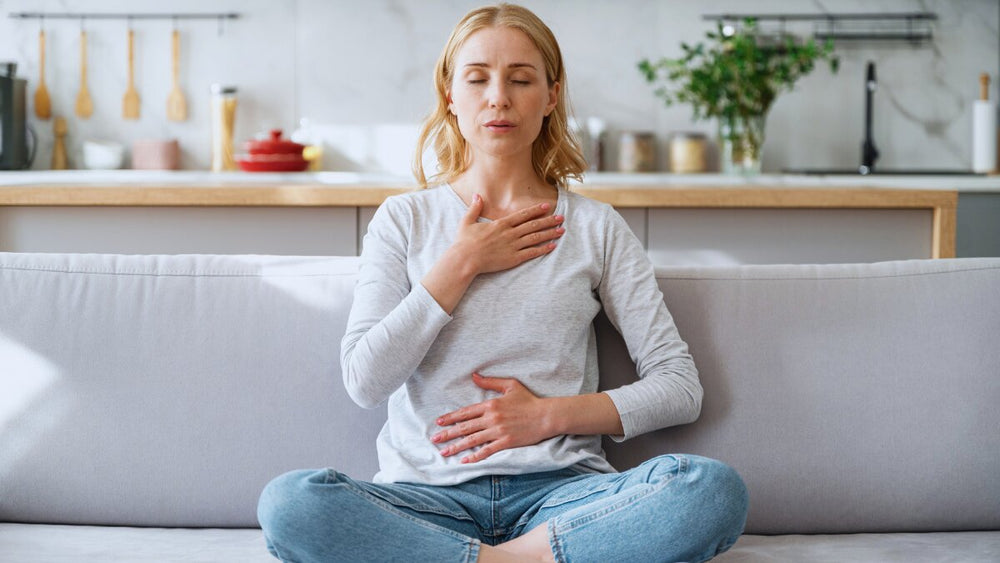
In theory, the emphasis on core strengthening seen in Pilates should improve colon transit time and, consequently, reduce the risk of constipation among practitioners, similar to abdominal-focused exercises that have been documented to improve colorectal transit time. Further, the breathwork portion of Pilates may be a useful adjunctive treatment for acid reflux. Practicing diaphragmatic breathing has been shown to improve pressure in the lower esophageal sphincter, potentially alleviating acid reflux.
Stress Reduction and the Gut-Brain Axis
Additionally, mind-body exercises, such as Pilates, can be very helpful in improving digestion. High levels of mental stress can disrupt the gut-brain axis, exacerbating symptoms of IBS. A 2020 meta-analysis found that many mind-body treatments were effective in reducing the severity of IBS symptoms. While Pilates was not specifically included in this analysis (yoga was!), it is reasonable to expect that regular Pilates practice could work similarly. Pilates is better supported for reducing the risk of lower back pain.
FAQs
Can Pilates help support digestion?
Pilates may help support digestion by encouraging gentle movement, improving posture, and strengthening the core and diaphragm muscles. Movement and deep breathing can help stimulate the digestive tract and may support regular bowel movements in some individuals.
Is Pilates a good exercise option for people with IBS or acid reflux?
For many people, Pilates can be a gentle, low-impact form of exercise that feels more manageable than high-intensity workouts. Certain breathing techniques and controlled movements may also help reduce stress, which is a common trigger for digestive symptoms like IBS flare-ups and acid reflux.
What Pilates movements may be most helpful for gut health?
Exercises that focus on breathing, core engagement, posture, and gentle twisting movements may be especially supportive for digestive health. These movements can encourage mobility in the abdomen while improving overall body awareness and relaxation.
How often should you do Pilates for digestive support?
There is no perfect number, but consistency is key. Even a few short Pilates sessions each week may help support stress management, posture, mobility, and overall digestive wellness over time. Starting slowly and listening to your body is always recommended.
References
1Hibbs, A. E., Thompson, K. G., French, D., Wrigley, A., & Spears, I. (2008). Optimizing Performance by Improving Core Stability and Core Strength. Sports Medicine. https://doi.org/10.2165/00007256-200838120-00004
2Coulombe, B. J., Games, K. E., Neil, E. R., & Eberman, L. E. (2017). Core Stability Exercise Versus General Exercise for Chronic Low Back Pain. *Journal of Athletic Training*. https://doi.org/10.4085/1062-6050-51.11.16
3Song, B. K., Han, D., Brellenthin, A. G., & Kim, Y. S. (2021). Effects of core strengthening exercise on colon transit time in young adult women. *Journal of Exercise Science & Fitness*. https://doi.org/10.1016/j.jesf.2021.02.001
4Wells, C., Kolt, G. S., & Bialocerkowski, A. (2012). Defining Pilates exercise: A systematic review. *Complementary Therapies in Medicine*. https://doi.org/10.1016/j.ctim.2012.02.005
5Halland, M., Bharucha, A. E., Crowell, M. D., Ravi, K., & Katzka, D. A. (2020). Effects of Diaphragmatic Breathing on the Pathophysiology and Treatment of Upright Gastroesophageal Reflux: A Randomized Controlled Trial. *American Journal of Gastroenterology*. https://doi.org/10.14309/ajg.0000000000000913
6Shah, K., Ramos-Garcia, M., Bhavsar, J., & Lehrer, P. (2020). Mind-body treatments of irritable bowel syndrome symptoms: An updated meta-analysis. *Behaviour Research and Therapy*. https://doi.org/10.1016/j.brat.2019.103462
7Li, Y., Yan, L., Hou, L., Zhang, X., Zhao, H., Yan, C., Li, X., Li, Y., Chen, X., & Ding, X. (2023). Exercise intervention for patients with chronic low back pain: a systematic review and network meta-analysis. *Frontiers in Public Health*. https://doi.org/10.3389/fpubh.2023.1155225












 Recipes
 Products

Comments
Join The Conversation...