


Nutritional Yeast: The Ultimate Guide to 'Nooch'
Did you know that yeast isn’t just for baking? Nutritional yeast can provide, well, nutrition! Affectionately called “nooch,” the flaky product is an excellent addition to most types of diets. Are you ready for the shakedown on nooch?
What is Nutritional Yeast?
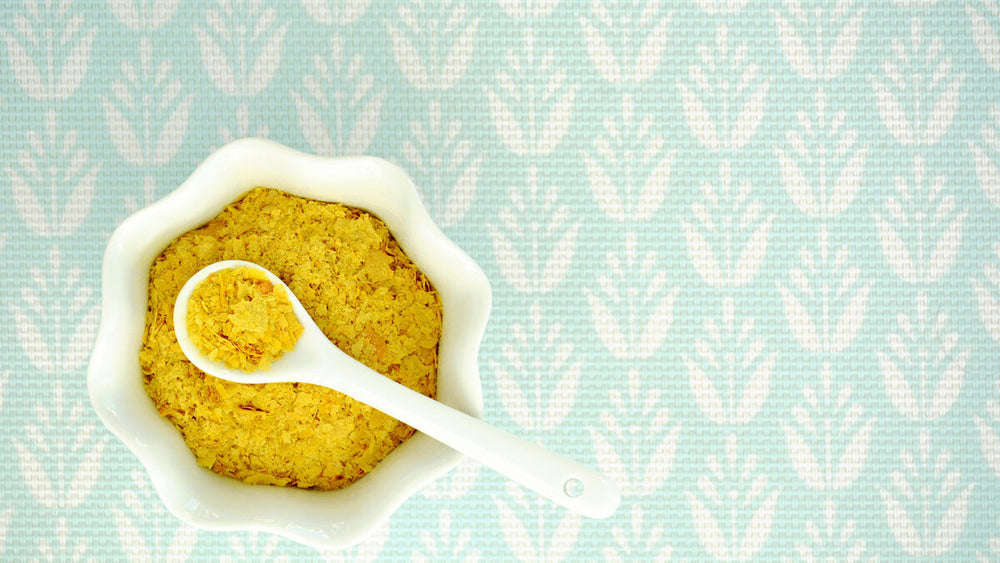
Nooch is a strain of the fungus Saccharomyces cerevisiae. Baker’s yeast and brewer’s yeast are also strains of the same fungus, but nooch can neither cause bread to rise or turn sugars into alcohol. Instead, the fungal strain is grown in a high-sugar liquid medium and then deactivated by heat. What’s left behind is a flaky, savory-tasting product.
Nooch is available in flakes or powder, with flakes being the most common. While technically a food additive, it is commonly found in grocery stores' spice sections, where it is used as a flavor enhancer. Most store-bought options are fortified with several nutrients; however, unfortified varieties naturally contain a significant amount of Riboflavin.
Let’s dive more into the nutritional benefits.
Fortified versions of nutritional yeast are noted for being an excellent source of B vitamins, most notably vitamin B12. One two-tablespoon serving of nooch can provide more than 600% of the recommended daily value for vitamin B12. This is great news for plant-based eaters, as B12 can be challenging to obtain without incorporating supplements or animal products. Nooch is also an excellent source of niacin, thiamin, and folate. One serving of nooch contains 5 grams of protein and about 2 grams of fiber. It provides all this while being gluten-free, low in calories (20 calories per serving), and safe for vegan and vegetarian diets.
There are some creative culinary uses for nutritional yeast.
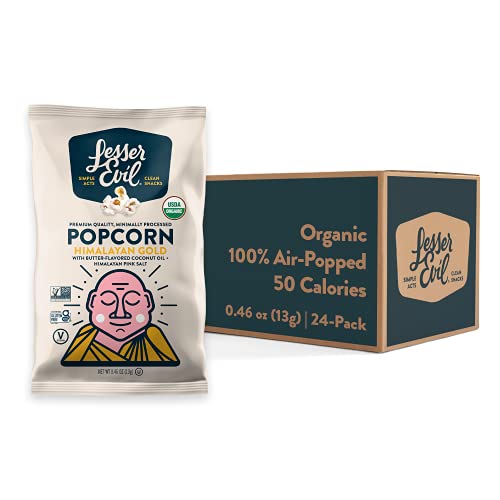
The savory, or umami, flavor of nutritional yeast is often compared to cheese. Between its flavor and texture, it can be a particularly great replacement for Parmesan cheese. Nooch sprinkledon pasta, pizza, grits, egg scrambles, and popcorn are just a few of the creative ways it can be used.
Nooch can also serve as a binder or thickener. Use it in dishes that require breadcrumbs to make them gluten-free. Think of veggie burgers, meatballs, or breaded chicken strips. Stir it into soups and stews to thicken the sauce and deepen the flavor.
Finally, use nutritional yeast in dips and dressings. Swap the parmesan in a Caesar salad dressing or add it to a Ranch dip. Vegan dips, such as spinach-artichoke or cashew-based queso, are a great excuse to use nooch.
Buying, Storing, and Using Nutritional Yeast Safely
The good news is that it has a long shelf life, making it ideal for even occasional use. The product typically lasts about 2 years, and quality is best maintained when stored in a cool, dry place.
While suitable for most diets, nooch may not be appropriate in a few cases. Anyone with a yeast allergy or sensitivity should avoid nooch because, as the name suggests, it is a yeast-based product. While this is a more obvious disqualification, another reason to avoid nutritional yeast is if you are taking an MAOI. This is because the flaky product contains tyramine. Tyramine, when mixed with an MAOI inhibitor, can cause spikes in blood pressure. Lastly, due to its fiber content, anyone with irritable bowel syndrome should try nutritional yeast in small amounts to ensure it is tolerable for their GI system.
If you don’t fall into any of the above categories, nutritional yeast may be a great option for adding flavor and nutrients to your meal with minimal effort. Plant-based eaters will especially reap the benefits of some of the more difficult nutrients to acquire on a vegan diet. With that said, pass the nooch!
FAQs
What is nutritional yeast, and why is it called "nooch"?
Nutritional yeast, often nicknamed "nooch," is a deactivated form of the yeast species Saccharomyces cerevisiae. Unlike baker's yeast or brewer's yeast, it cannot make bread rise or ferment beverages. Instead, it is valued for its savory, cheesy flavor and impressive nutritional profile.
Is nutritional yeast a good source of vitamin B12?
Fortified nutritional yeast is one of the most popular plant-based sources of vitamin B12. Depending on the brand, just two tablespoons can provide several times the recommended daily intake of B12, making it especially valuable for vegans and vegetarians. Always check the label, as not all nutritional yeast products are fortified.
How can I use nutritional yeast in cooking?
Nutritional yeast is incredibly versatile. It can be sprinkled on popcorn, pasta, roasted vegetables, eggs, or salads for a cheesy, umami flavor. It also works well in soups, sauces, dressings, veggie burgers, and dairy-free cheese alternatives as both a flavor enhancer and thickening ingredient.
Can people with IBS eat nutritional yeast?
Many people with IBS tolerate nutritional yeast well, but individual responses can vary. Because it contains fiber and yeast-derived compounds, it may trigger symptoms in some sensitive individuals. If you have IBS, consider starting with a small amount and monitoring your tolerance before incorporating it regularly.
Who should avoid nutritional yeast?
Nutritional yeast may not be appropriate for individuals with a yeast allergy or sensitivity. It may also interact with monoamine oxidase inhibitors (MAOIs) because it contains tyramine, a naturally occurring compound that can interact with these medications to affect blood pressure. If you have concerns, consult your healthcare provider before adding nutritional yeast to your diet.
References
1Brown, C., Taniguchi, G., & Yip, K. (1989). The monoamine oxidase inhibitor-tyramine interaction. Journal of clinical pharmacology, 29(6), 529–532. https://doi.org/10.1002/j.1552-4604.1989.tb03376.x













 Recipes
 Products
Comments
Join The Conversation...